居然把你这个皮猴子给收了
“to tame a little rascal like you?”
THE DIALOGUE REEL
“Now I'm curious. What kind of magic does she have”
居然 把你 这个 皮猴子 给 收了
“to tame a little rascal like you?”
您见着就知道了
“You'll see when you meet her.”
“She must be someone truly extraordinary to get a wild guy like you under control.”
Calling someone a '皮猴子' evokes the legendary Monkey King's unruly nature, implying that only a person of special virtue or discipline can tame them.
LEARNING CHUNKS & PARTICLES
mischievous monkey; unruly troublemaker
An affectionate northern colloquial term used by elders or close peers for energetic, playful, or defiant young people.
to tame; to bring under control; to capture someone's heart
Derived from mythical terms for subduing monsters, used colloquially to mean subduing a wild partner into a committed relationship.
Marks the completion of a state change, reinforcing the finality of the wild person being tamed.
VOCABULARY & EXPRESSIONS
Parallel Spoken Cinema Scenes (语义近邻切片)

“You little monkey, you're covered in filth.”
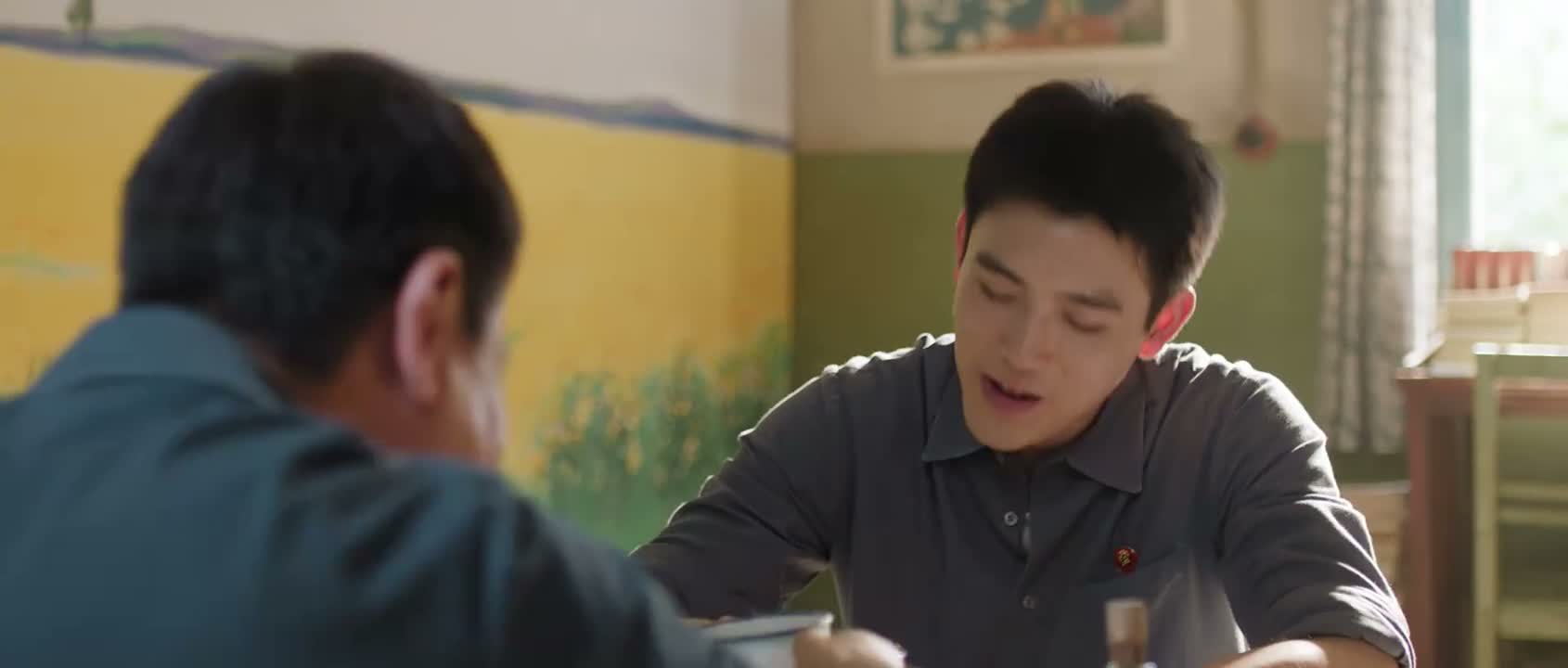
“and they took me on the spot.”
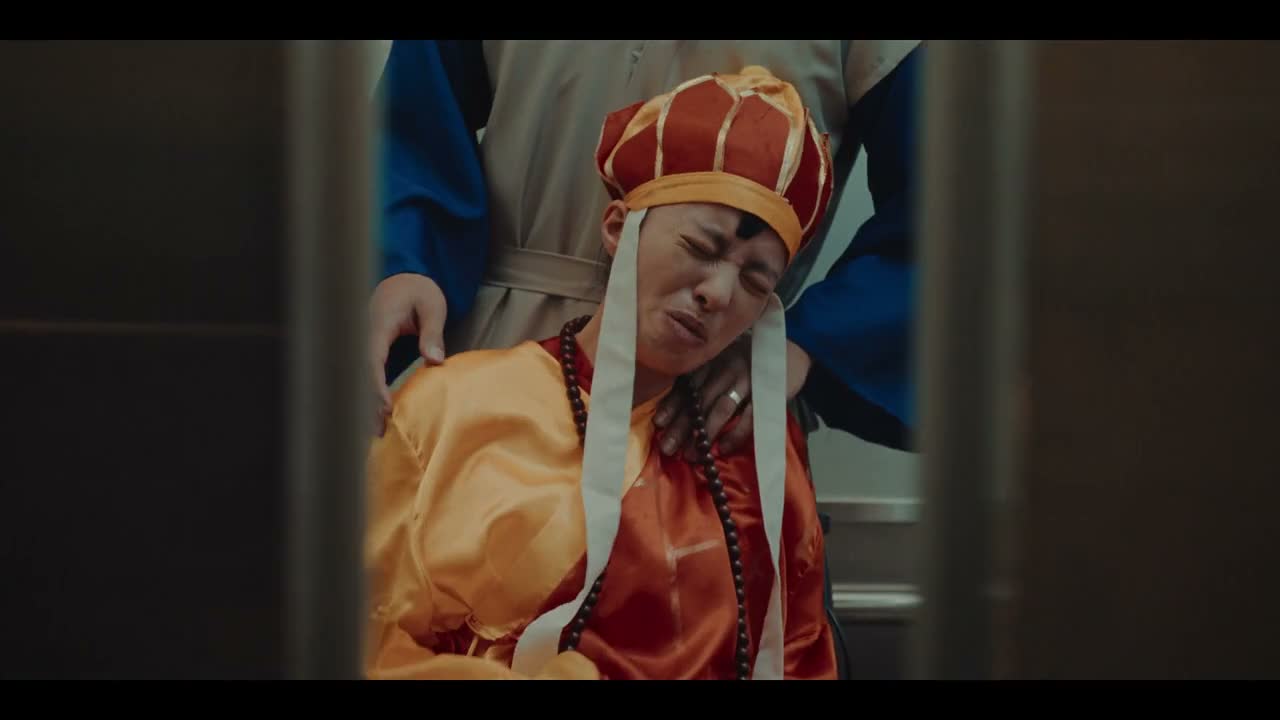
“Move your giant python out of the doorway!”

“acting like a monkey. If you give her a stick,”

“How did you end up trapped in the dog skin?”

“not picking acts for a circus.”