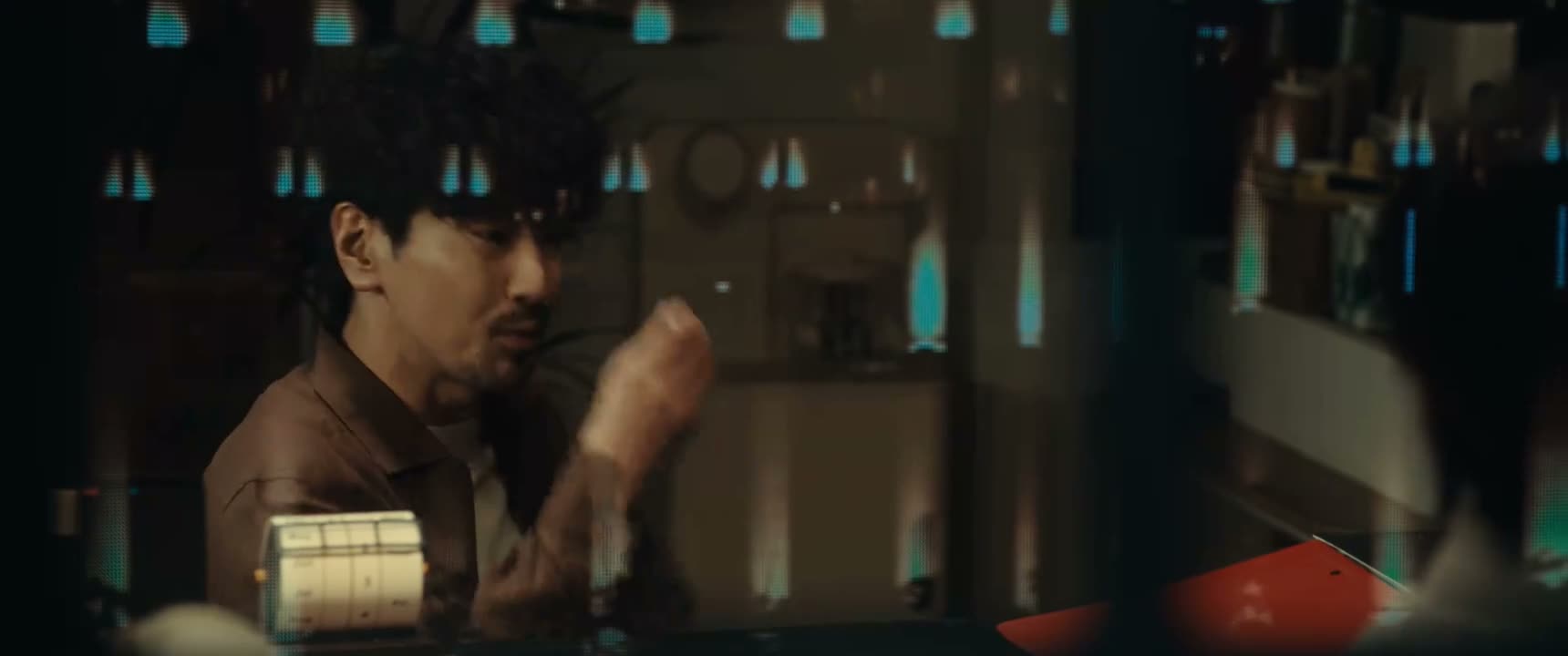
《Veil of Shadows》 S1·E8 (24:42)
HSK 3
nà kě bú shì wèi le bāng nǐ ma ?
那可不是为了帮你吗?
“That was to help you.”
《Veil of Shadows》
S1·E8
TIMECODE: 24:42
·
1080P MASTER AUDIO
THE DIALOGUE REEL
[-1] PREVIOUS TURN
què bèi wǒ dǎ shāng de rén shì shuí ?
却被我打伤的人是谁?
“but ended up wounded by me?”
nà kě bú shì wèi le bāng nǐ ma ?
CURRENT FOCUS
那可不 是 为了 帮你 吗 ?
“That was to help you.”
[+1] FOLLOW-UP TURN
lù wú yī kě bù hǎo hù nòng jiě jiě nǐ zěn me yàng ?
“Lu Wuyi's not easy to fool. Wangyan, are you okay?”
Subtitles synced to millisecond timecode
Browse Show Clips →
Scene:
Crisis & Conflict
Function:
JUSTIFICATION
Tone:
RHETORICAL
Emotion:
DEFENSIVENESS
WHAT THEY REALLY MEAN (PRAGMATIC SUBTEXT)
“I took all that risk solely for your sake, so don't question me.”
💡 Cultural Insight: Rhetorical Self-Vindication
Using negative rhetorical questions with modal adverbs like '可' is a standard way in Mandarin to express justified indignation or demand emotional acknowledgment.
INTENT TAGS:
#justification
#defensiveness
#seeking_acknowledgment
#rhetorical_question
🧩
2 CHUNKS · 1 PARTICLES
LEARNING CHUNKS & PARTICLES
那可不是
SPOKEN CHUNK
isn't that exactly because...
Used rhetorically at the start of a clause to assert that the following reason is undeniably true.
为了帮你
SPOKEN CHUNK
for the sake of helping you
A straightforward purposive clause used to emphasize helpful intent.
Modal Particle「吗」 (ma)
CHANGE OF STATE
Forms a rhetorical question that expects strong agreement from the listener.
🏮
2 EXPR · 3 GRAMMAR
VOCABULARY & EXPRESSIONS
COLLOQUIAL EXPRESSIONS:
CROSS-CINEMA CORPUS BOARD · PARALLEL SCENES
EXPLORE BY SEMANTIC SIMILARITY
Parallel Spoken Cinema Scenes (语义近邻切片)
《Veil of Shadows》 S1·E8 (24:42) · Authentic Cinema Dialogue Corpus