怎么反过来怪人家?
“And now you blame me?”
THE DIALOGUE REEL
怎么 反过来怪 人家 ?
“And now you blame me?”
连自家姐妹都骗
“You even deceive your own sister.”
“Don't pin this on me when you're the one at fault here.”
Using '人家' to refer to oneself softens confrontation with a sense of playful grievance, framing oneself as vulnerable rather than hostile.
LEARNING CHUNKS & PARTICLES
conversely; on the contrary; in reverse
Commonly used when an action or attitude flips unexpectedly, especially when flipping blame back onto someone else.
blame someone / blame me
The word '人家' is used here colloquially either to refer coquettishly/defensively to oneself or to a third person.
VOCABULARY & EXPRESSIONS
Parallel Spoken Cinema Scenes (语义近邻切片)
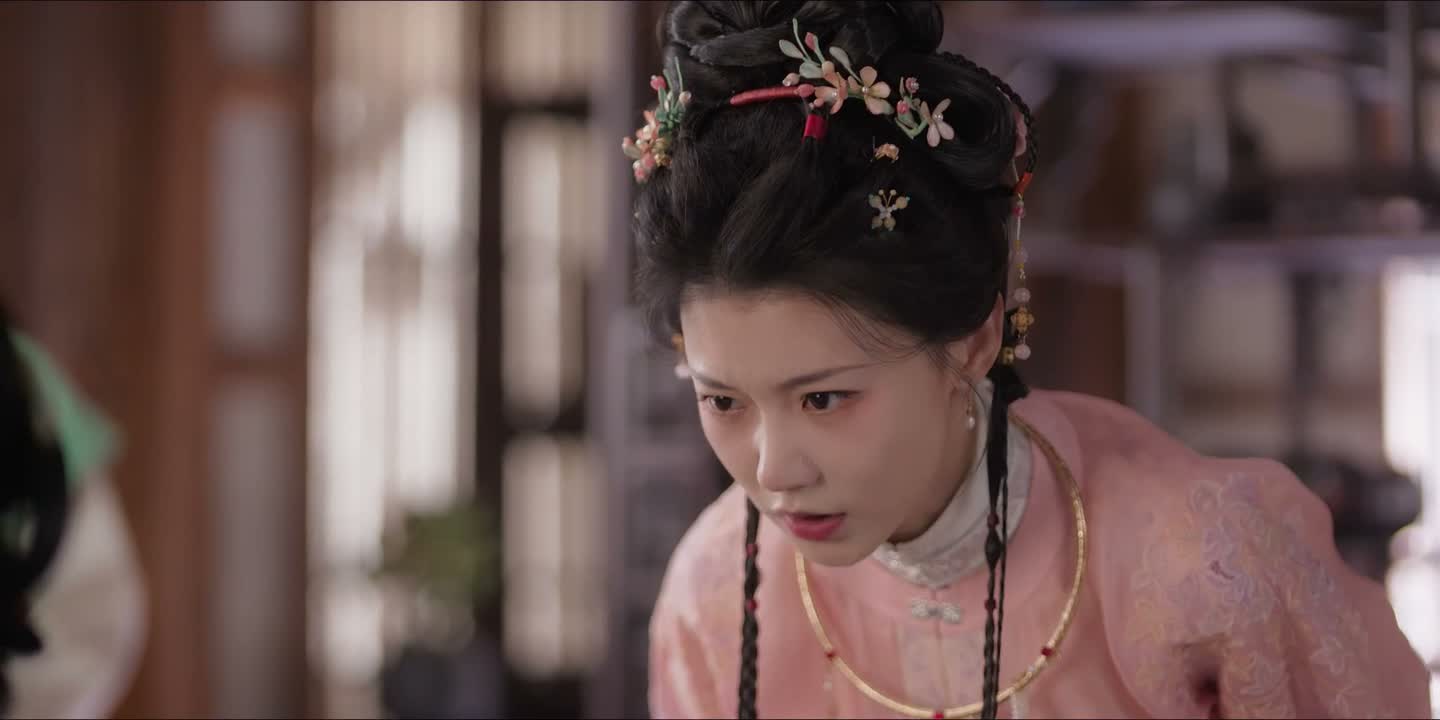
“Why are you acting so weird?”
“will he blame us?”
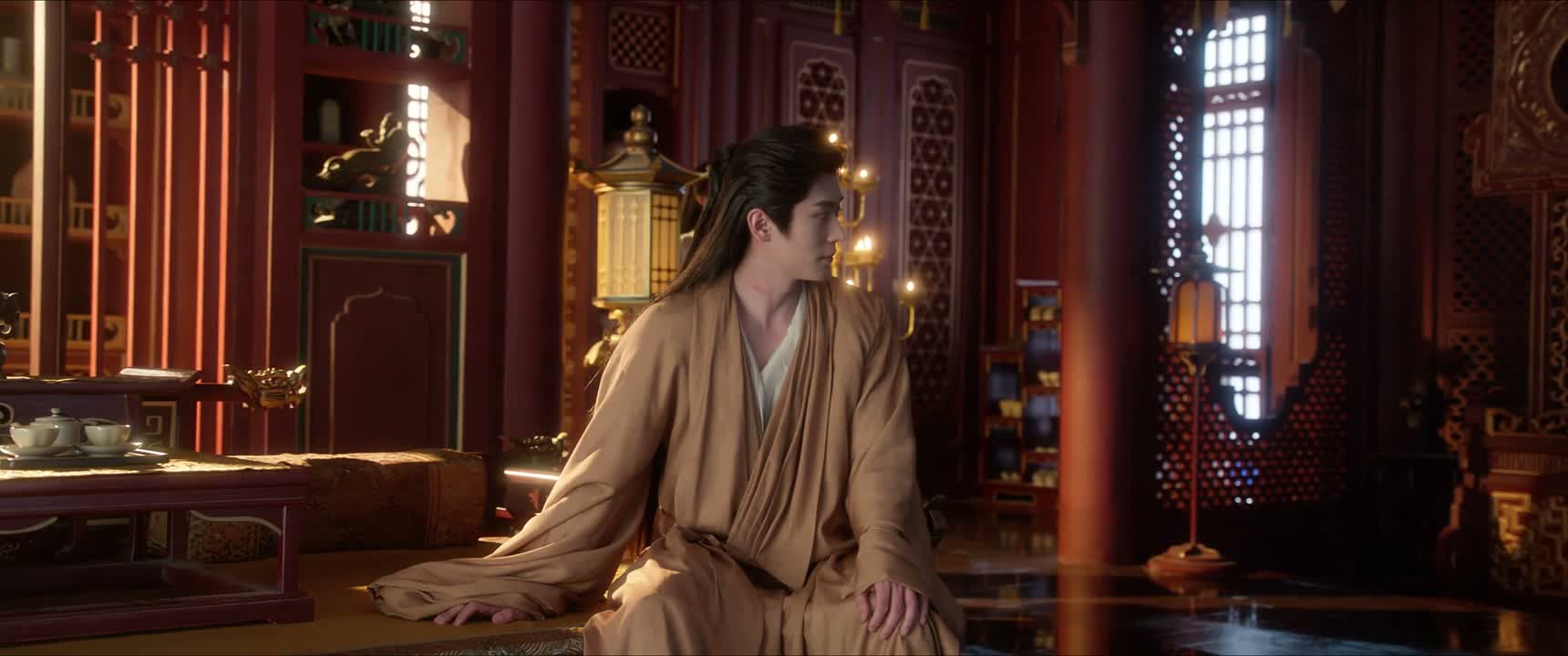
“Then blame yourself”

“How could this be your fault?”

“blame only yourself”

“How come you're scolding me instead?”