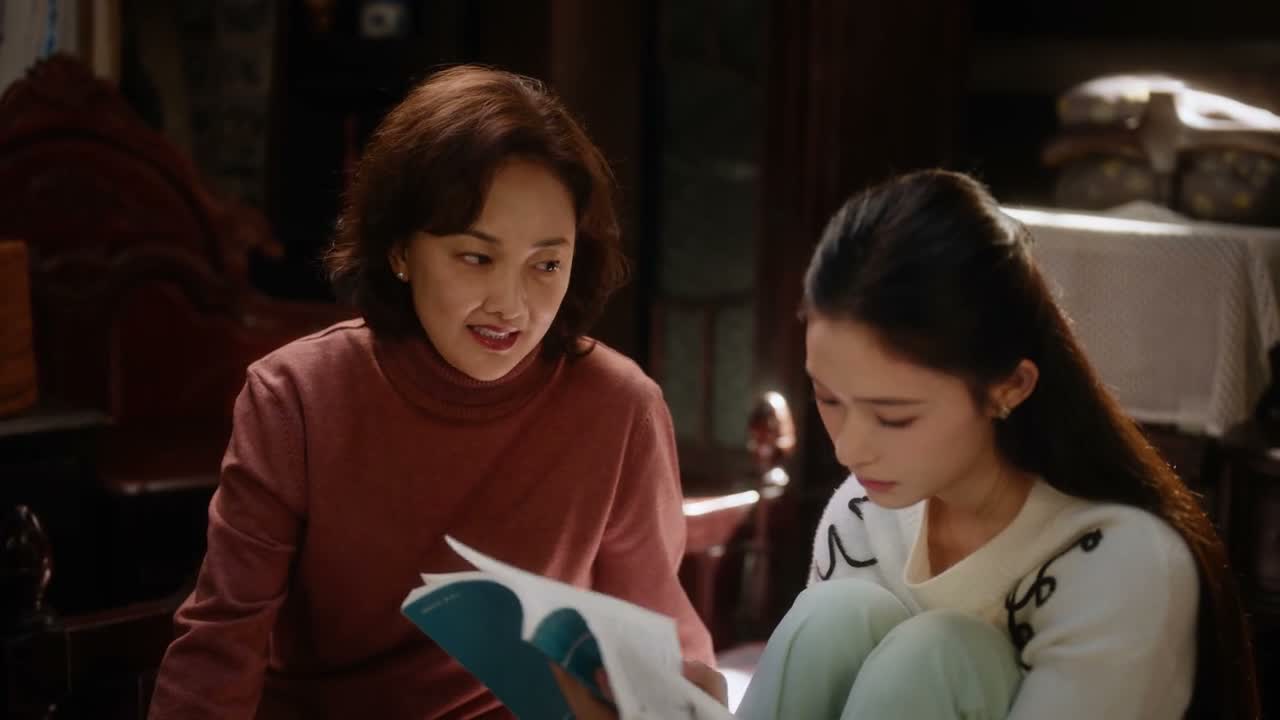
你就跟我们说呀 我妈最疼我了
“You would say, "My mother loves me the most."”
THE DIALOGUE REEL
以前 我们一说你妈不好 你就不高兴
“that in the past when we spoke ill of your mother, you were angry?”
你就 跟我们说 呀 我妈 最疼我 了
“You would say, "My mother loves me the most."”
记得吗
“Do you remember?”
Direct spoken expression in this communicative setting.
The character 'teng' conveys a tender ache of protective love, illustrating the deep emotional bond between Chinese parents and their children.
LEARNING CHUNKS & PARTICLES
loves and pampers me the most
Used in familial contexts where 'teng' implies deep, protective, and affectionate care from an elder toward a younger family member.
Softens the recalled statement, lending a gentle and reminiscent conversational flow.
Completes the quoted superlative assertion, emphasizing the established state of being deeply loved.
VOCABULARY & EXPRESSIONS
Parallel Spoken Cinema Scenes (语义近邻切片)

“You know what? My mother is”

“I know you and your mom are very close.”

“I hate when people say that. You know that.”

“I hate it most when people say I'm like my mom.”
“Be honest with me.”
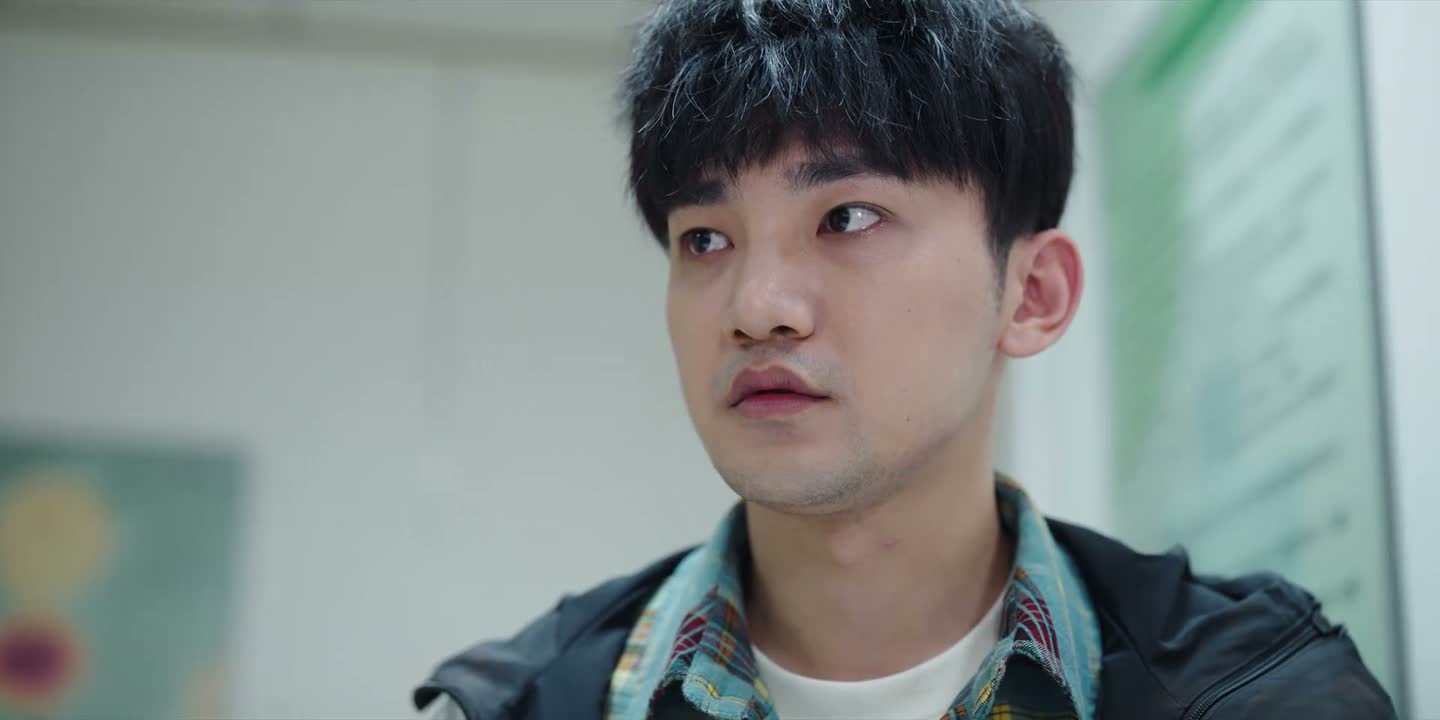
“Your Mom is full of pride when she talks about you”