你这每一次出趟差 都会闹肚子
“Every time you go out on a business trip, your belly gets upset.”
THE DIALOGUE REEL
好了 就这些吧 谢谢啊 好 请稍等
“OK. That's all. Thank you. OK. Please wait a moment.”
你这每一次 出趟差 都会 闹肚子
“Every time you go out on a business trip, your belly gets upset.”
今天吃点清淡的吧
“Let's have something light today.”
“You really do not know how to take care of yourself when you travel.”
In Chinese relationships, showing affection often takes the form of pointing out health vulnerabilities and offering gentle nagging about diet and self-care.
LEARNING CHUNKS & PARTICLES
to suffer from diarrhea / to have an upset stomach
A highly common colloquial idiom for digestive issues, preferred in casual conversation over formal medical terms.
to go on a business trip
Incorporates the verbal measure word 趟 into the separable verb 出差, meaning to take a single business trip.
VOCABULARY & EXPRESSIONS
Parallel Spoken Cinema Scenes (语义近邻切片)

“drinking this stuff gives you diarrhea.”
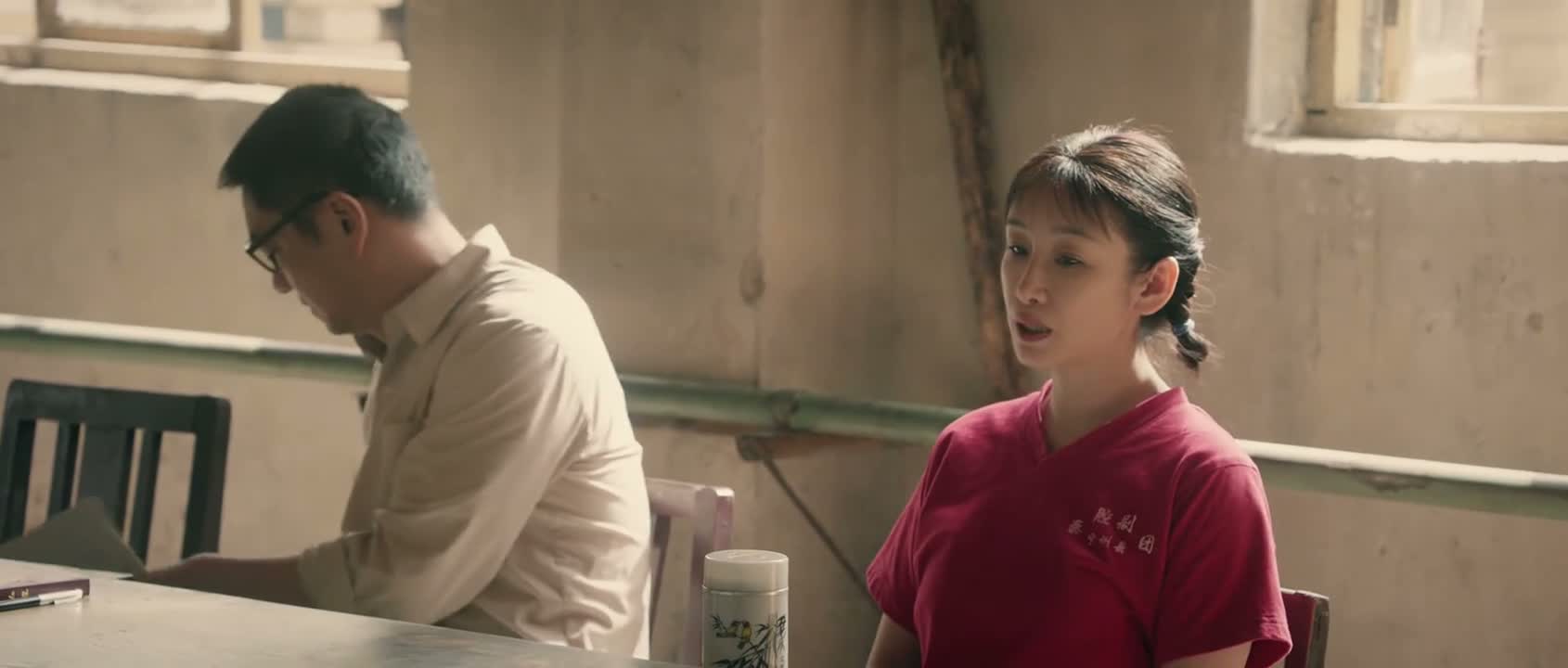
“That's not always true. What if I have diarrhoea?”

“Then I can't go. I get carsick. Really bad.”

“What if you get diarrhea?”

“You're having the fever over and over and it's bad.”

“Does this happen often? No, it's never happened before. Take them to line up by the restrooms.”