首先尽量 不给儿子添麻烦
“I should try not to make more troubles for our son,”
THE DIALOGUE REEL
当然我这个累赘的妈
“Of course, as the burdensome mother,”
首先尽量 不给 儿子 添麻烦
“I should try not to make more troubles for our son,”
尽量多照顾他 多帮帮他
“and try to take care of and help him as much as possible.”
“I know I have been a burden, and my biggest fear now is becoming an even greater nuisance to him.”
In Chinese culture, elderly parents often dread becoming a financial or emotional burden (添麻烦) to adult children, viewing self-sufficiency as an act of maternal love.
LEARNING CHUNKS & PARTICLES
to cause trouble; to inconvenience someone
A highly common set phrase used to politely apologize or express a desire not to bother someone.
as much as possible; to the best of one's ability
Placed before verbs to indicate maximum effort while politely acknowledging limitations.
VOCABULARY & EXPRESSIONS
Parallel Spoken Cinema Scenes (语义近邻切片)
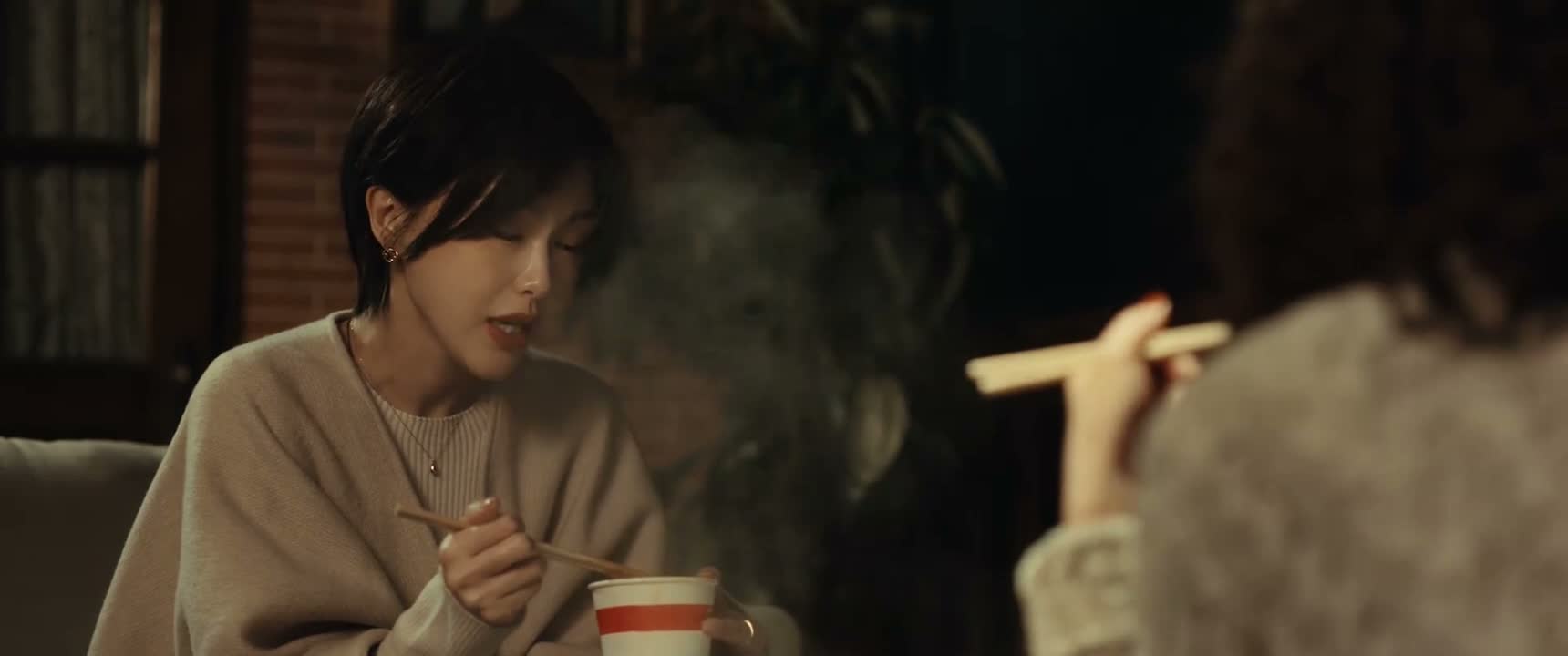
“should try their best not to become a burden to others.”

“now that I'm looking into this, My Lord?”

“not some troublemakers.”

“is not to make any troubles for him.”

“the less I should trouble her.”

“Didn't want to trouble you.”