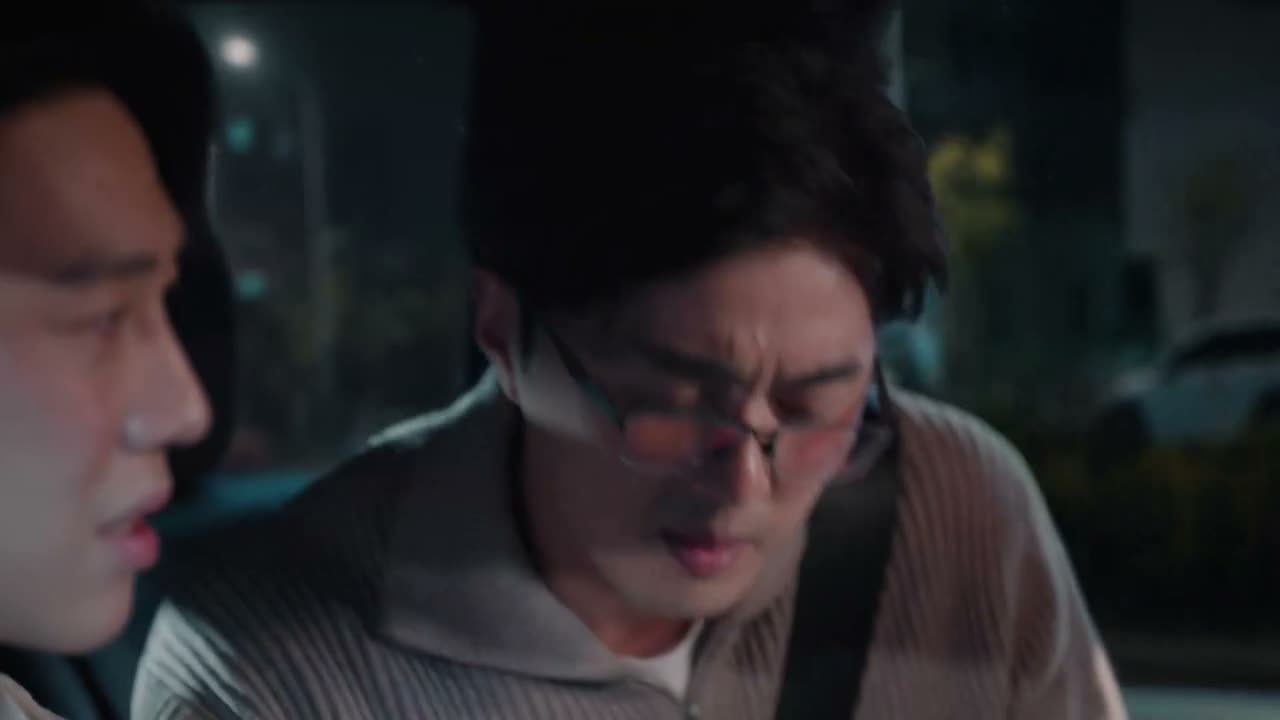
谁也别嫌弃谁了好吗
“despise each other, OK?”
THE DIALOGUE REEL
“while I'm a burdensome mother. Let's not”
谁也别嫌弃谁 了 好吗
“despise each other, OK?”
我今天要敬你啊 主要是想跟你说
“I propose to toast, mainly to tell you that”
“Neither of us is perfect, so let's stop judging each other and call a truce.”
In Chinese interpersonal conflict resolution, admitting one's own flaws (e.g., being a burden) provides psychological safety for the other party to lower their defenses without losing face.
LEARNING CHUNKS & PARTICLES
to dislike and avoid; to look down on; to find fault with
Frequently used in emotional conversations regarding rejection, feeling unwanted, or mutual judgment.
neither / no one should
Used to establish mutual symmetry in an agreement, meaning 'let neither party do something'.
Marks a cessation of a previous ongoing state or action, indicating a request to stop doing something.
Softens the imperative into a gentle, consensus-seeking rhetorical question.
VOCABULARY & EXPRESSIONS
Parallel Spoken Cinema Scenes (语义近邻切片)

“We won't extort each other.”

“(The one who says no one gets out happy is usually the most miserable.)”

“to take care of each other.”

“You guys are so nice.”

“Here. Unbelievable luck.”
“don't always think of others as bad people.”