向来都是个不管事的
“has always been too busy to take care of the family.”
THE DIALOGUE REEL
凌霄他爸呢
“Ling Xiao's father”
向来 都是个 不管事的
“has always been too busy to take care of the family.”
养孩子费心 磕了碰了 冷了热了 洗衣服做饭
“It's hard to raise a child. It's quite demanding and tiring to take good care of a child.”
“Don't count on him; he has never taken any responsibility for raising the child.”
Reflects the common domestic complaint in Chinese culture where fathers focus outward on work while mothers bear the overwhelming burden of daily child-rearing.
LEARNING CHUNKS & PARTICLES
hands-off; not taking responsibility; uninvolved
Commonly used in spoken Chinese to criticize someone who abdicates duty or avoids managing household or office affairs.
always; all along
Used to denote an enduring habit, custom, or long-standing pattern of behavior.
Used at the end of the clause to reinforce certainty and categorize the person's habitual nature.
VOCABULARY & EXPRESSIONS
Parallel Spoken Cinema Scenes (语义近邻切片)

“has always done their own thing.”

“The usual practice doesn't make it right.”
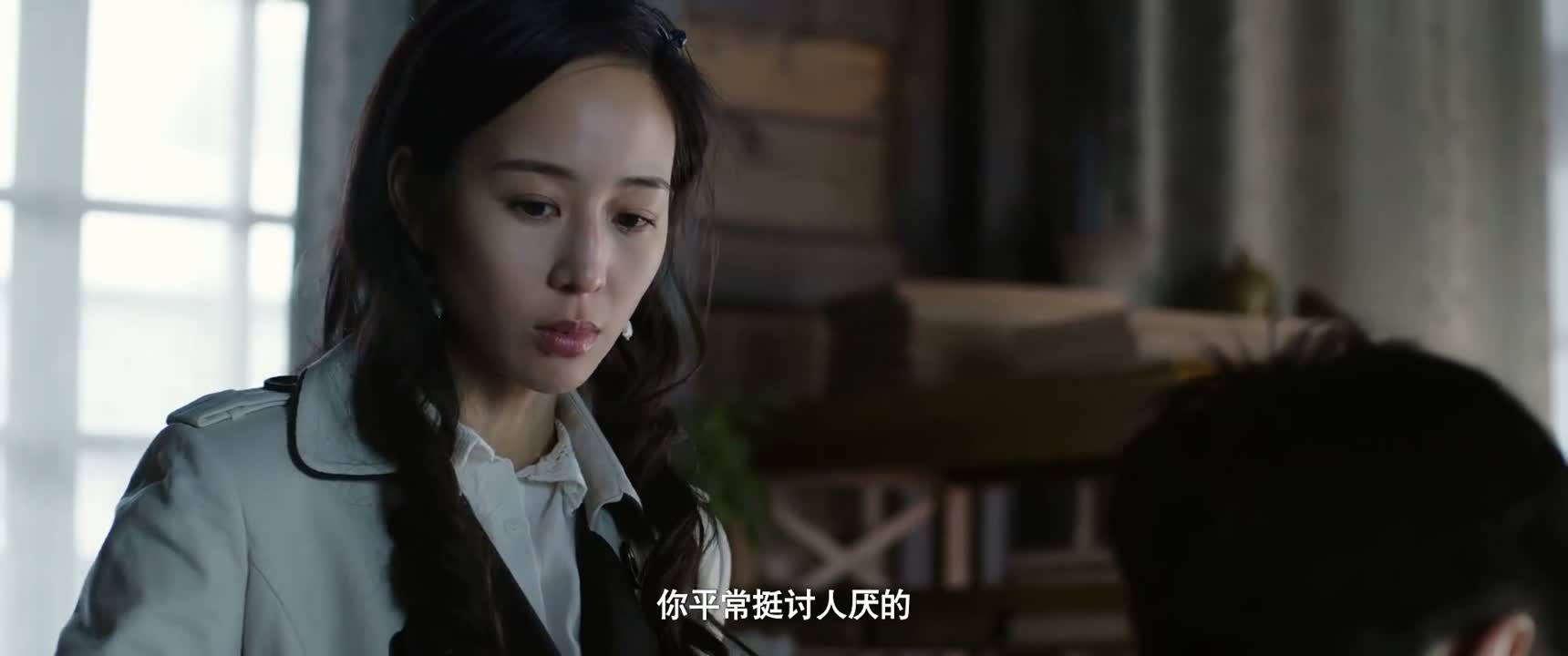
“you're usually quite annoying,”

“Shut up! He's perfectly normal.”

“You won't do anything?”

“Not my problem. This is on you.”