藏文你自己写嘛 你自己也是个 半个藏族人
“Write it yourself. You're a Tibetan.”
THE DIALOGUE REEL
你可不可以把这段 翻译成藏文 附在下面 藏文
“Can you translate this into Tibetan? Tibetan?”
藏文 你自己写嘛 你自己 也是 个 半个藏族人
“Write it yourself. You're a Tibetan.”
来 来 来
“Come on.”
“Don't pawn this off on me, you have Tibetan heritage so you can write it just fine.”
In Chinese informal workplace banter, colleagues frequently invoke a peer's ethnic or regional roots as a playful justification for assigning them specific relevant duties.
LEARNING CHUNKS & PARTICLES
write it yourself
Used to decline doing a writing task on behalf of someone else, placing the responsibility back on them.
half (of someone/something)
Informally used before identity nouns to indicate partial heritage, background, or quasi-belonging.
Highlights an obvious fact or reasoning, softening the pushback while asserting common sense.
VOCABULARY & EXPRESSIONS
Parallel Spoken Cinema Scenes (语义近邻切片)

“Ask the Tibetans if they believe that.”

“Besides, I can't really tell those Tibetan names apart.”

“Stop talking. I'm not talking about the tsampa.”
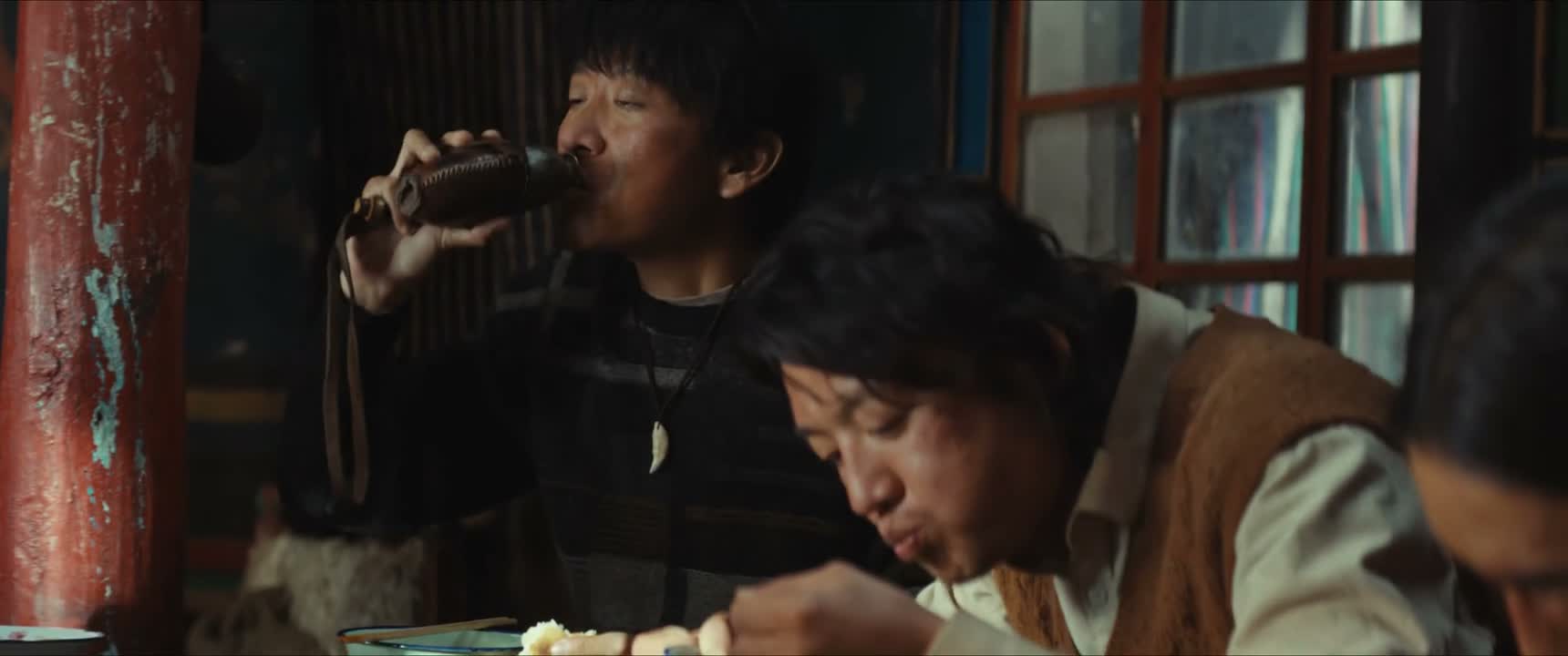
“You can have my tsampa.”
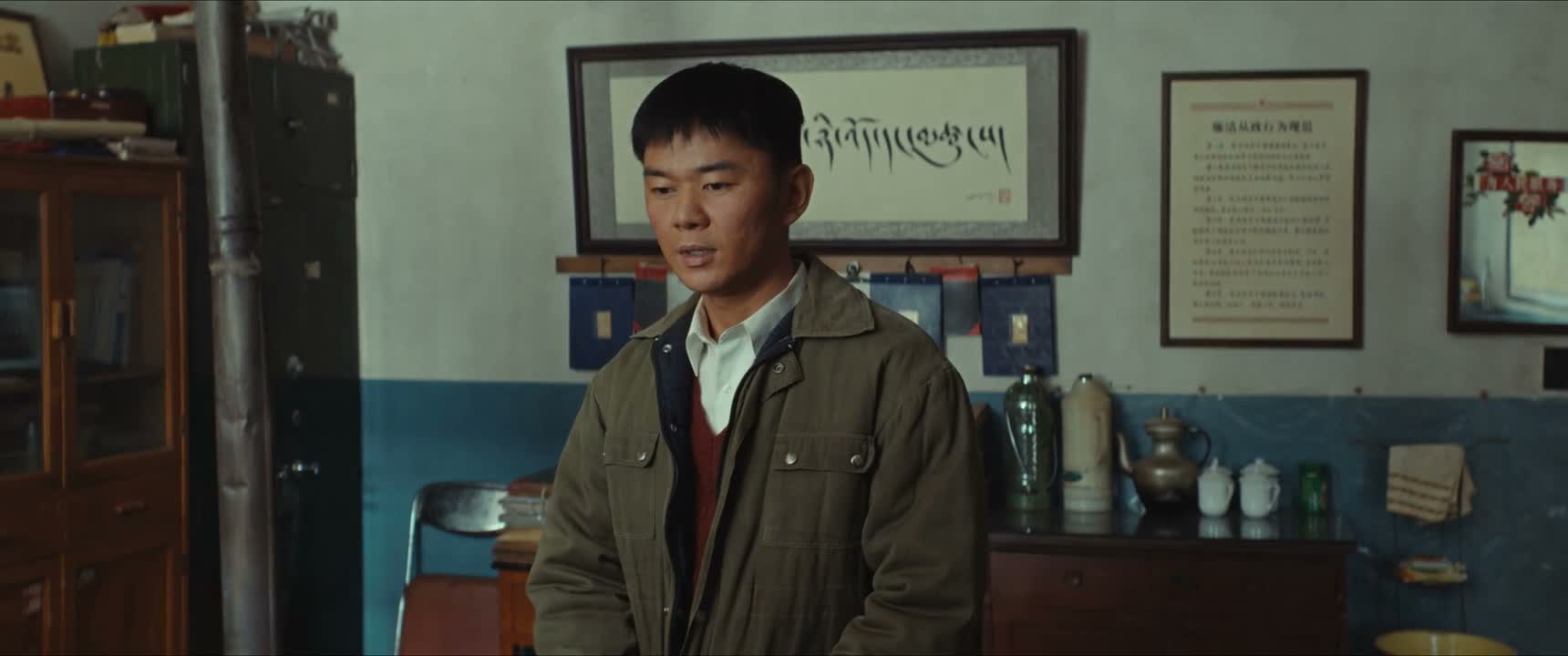
“All is new to him.”

“Let me remind you. There's a fixed amount of tsampa each person gets every month.”