那为何上次会致人死亡呢?
“Then why did it kill someone last time?”
THE DIALOGUE REEL
县主所用药方与上次一致
“What Her Ladyship took was the same as last time.”
那为何 上次 会 致人死亡 呢?
“Then why did it kill someone last time?”
“Your Majesty, because that man already had a severe stomach illness.”
Direct spoken expression in this communicative setting.
Authorities in imperial or formal settings employ classical vocabulary like 为何 to maintain judicial solemnity and command respect.
LEARNING CHUNKS & PARTICLES
cause someone's death; result in a fatality
A formal, objective legal/medical collocation used in official inquiries or legal proceedings.
why; for what reason
A classical and literary alternative to 为什么, typical in formal, historical, or court contexts.
Softens the interrogative slightly while prompting an immediate, clear explanation.
VOCABULARY & EXPRESSIONS
Parallel Spoken Cinema Scenes (语义近邻切片)

“Why did she have to die so brutally?”

“How exactly did he die?”

“Otherwise, I wouldn't even know how I died.”

“Their deaths are too similar.”
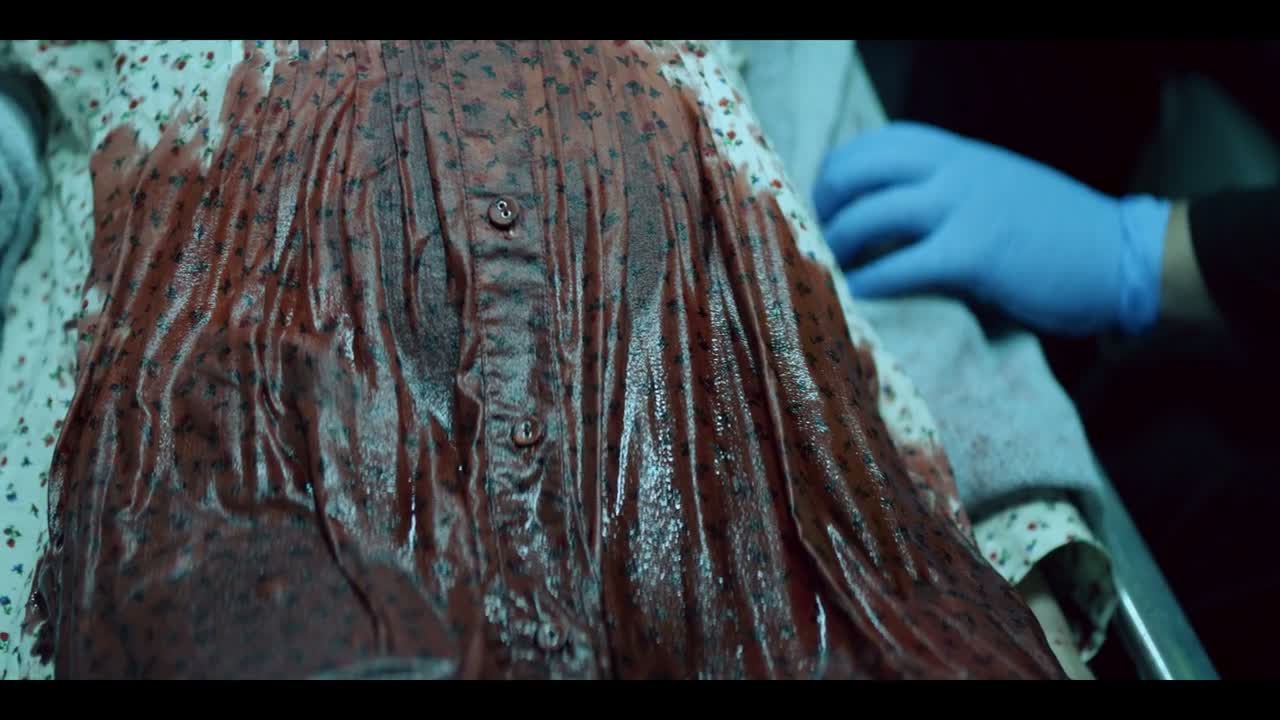
“I told you, guys. Drive safely. And this was a fatal car accident.”

“why were they still killed?”