MC
MandarinClips Cinema Corpus
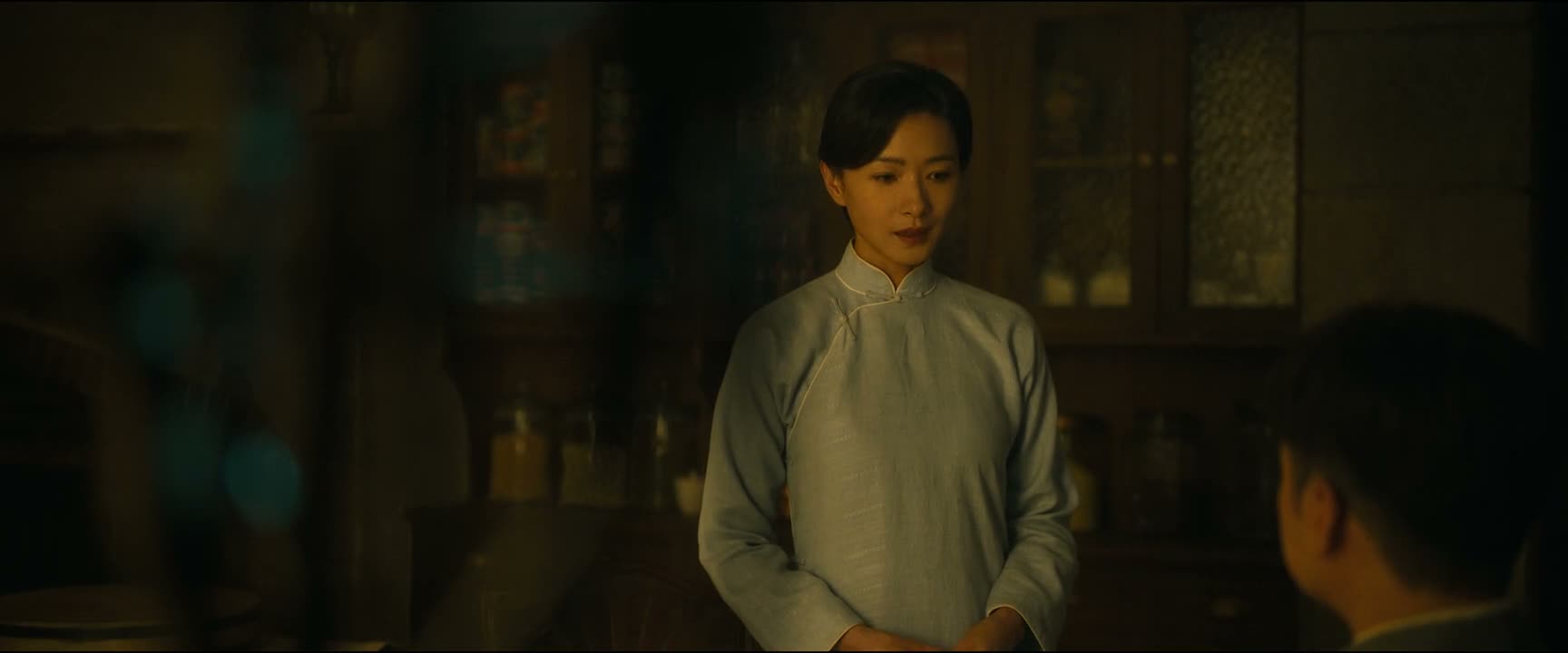
《Love Story in the 1970s》 S1·E28 (12:55) HSK 5
wǒ wèi shá bàn yè kāi chē chū qù pǎo sī huó

我为啥半夜开车出去跑私活

“Why do you think I went out driving at night?”

《Love Story in the 1970s》 S1·E28
TIMECODE: 12:55 · 1080P MASTER AUDIO

THE DIALOGUE REEL

1+1+1 SPOKEN CONTINUITY
[-1] PREVIOUS TURN nǐ men dōu dé yǎng wǒ

你们都得养我

“You all have to provide for me now!”

wǒ wèi shá bàn yè kāi chē chū qù pǎo sī huó CURRENT FOCUS

我 为啥 半夜 开车 出去 跑私活

“Why do you think I went out driving at night?”

[+1] FOLLOW-UP TURN hái bú shì wèi le duō zhēng diǎn hái nǐ ma nǐ xiǎo diǎn shēng

“Wasn't it to earn more money to pay you back? Keep your voice down.”

Subtitles synced to millisecond timecode Browse Show Clips →
Scene: Family & Home
Function: JUSTIFYING BEHAVIOR
Tone: DEFENSIVE
Emotion: GRIEVANCE
WHAT THEY REALLY MEAN (PRAGMATIC SUBTEXT)
“Don't act like I am being selfish; I am suffering out there just to support us.”
💡 Cultural Insight: Financial Duty and Emotional Invalidation

In Chinese domestic disputes over money, speakers often list their sacrifices (like working multiple exhausting shifts) to establish moral ground against unreasonable demands from dependents.

INTENT TAGS: #self_defense #venting #justification #rhetorical_question
🧩

LEARNING CHUNKS & PARTICLES

2 CHUNKS · 0 PARTICLES
跑私活 SPOKEN CHUNK

moonlighting; doing private driving or side jobs for extra cash

A highly common colloquial expression referring to unofficial side hustles, especially driving trips outside official platforms or regular employment.

半夜 SPOKEN CHUNK

in the middle of the night

Used conversationally to emphasize the unreasonable or extreme hour of an activity.

🏮

VOCABULARY & EXPRESSIONS

4 EXPR · 0 GRAMMAR
CROSS-CINEMA CORPUS BOARD · PARALLEL SCENES

Parallel Spoken Cinema Scenes (语义近邻切片)

EXPLORE BY SEMANTIC SIMILARITY
《Love Story in the 1970s》 S1·E28 (12:55) · Authentic Cinema Dialogue Corpus