都没钱了你买这么多报纸干什么
“Is it exactly what I thought? We're out of money. Why are you buying so many newspapers?”
THE DIALOGUE REEL
是不是跟我想的一样
“Is it exactly what I thought?”
都没钱了 你买 这么多 报纸 干什么
“Is it exactly what I thought? We're out of money. Why are you buying so many newspapers?”
我不是给你捡了一堆报纸了吗
“Didn't I pick up a bunch of newspapers for you?”
“We are dead broke, so stop wasting our scarce money on pointless junk.”
In Chinese interpersonal communication, partners or peers under shared financial hardship will openly criticize each other's spending habits without diplomatic softening.
LEARNING CHUNKS & PARTICLES
what for? / why on earth?
Often used at the end of a sentence to formulate an accusatory or questioning tone.
already out of money
Uses '都...了' to emphasize an extreme condition that should preclude the current action.
Marks a change of state, stressing that the state of being broke has already arrived.
VOCABULARY & EXPRESSIONS
Parallel Spoken Cinema Scenes (语义近邻切片)
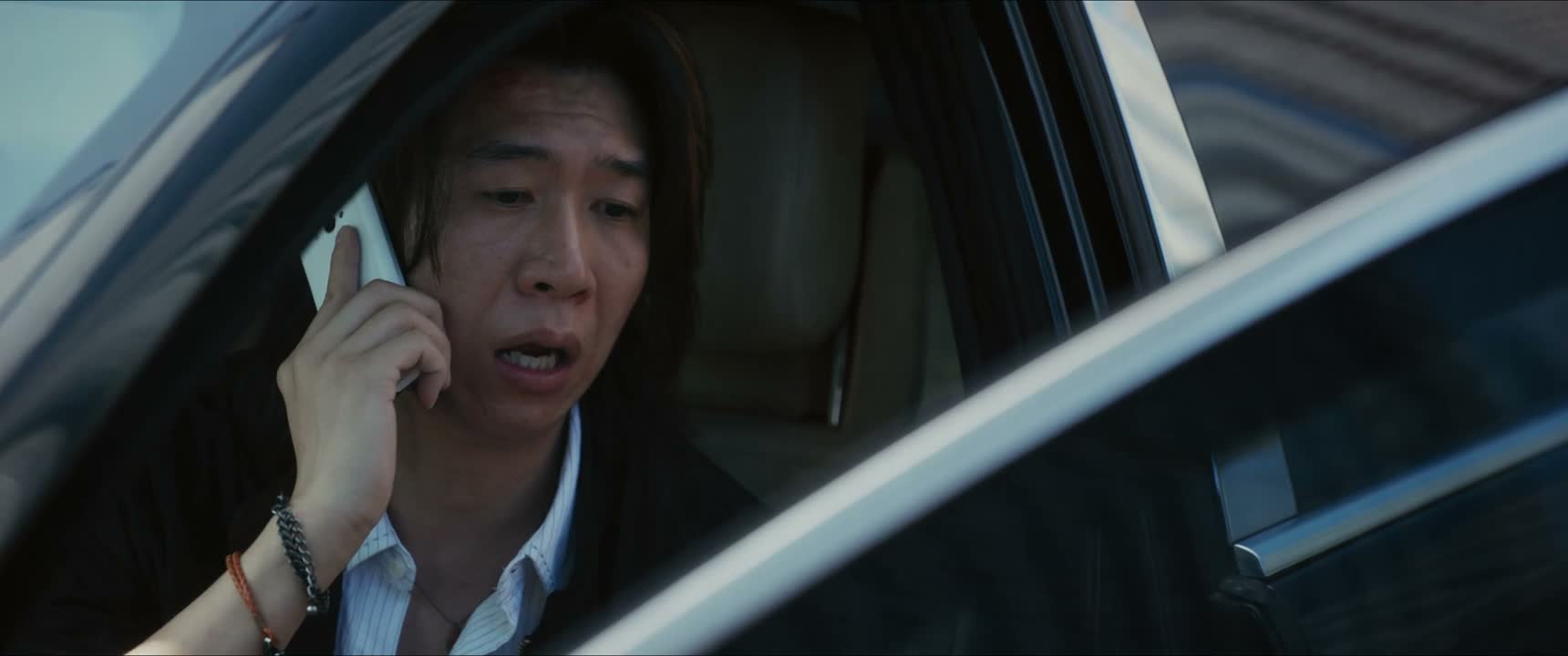
“I don’t have that much money.”

“Even this much money isn't enough.”

“I haven't saved enough.”

“You know I don't have money.”

“running out of fundings all of a sudden. How can that be?”

“the money we make now isn't enough.”