你却能在死尸堆里活着回来
“yet you came back alive from a heap of corpses.”
THE DIALOGUE REEL
这次胥城突然爆发黄昏草
“This time, it suddenly broke out in Xucheng,”
你却能在 死尸堆 里 活着回来
“yet you came back alive from a heap of corpses.”
“As far as I know, only those who have been exposed to Twilight Grass”
“Everyone else died except you; there is something deeply suspicious about your story.”
In investigative settings, being the sole survivor carries an inherent burden of suspicion, demanding justification for surviving when peers perished.
LEARNING CHUNKS & PARTICLES
pile of corpses
A vivid and grim noun phrase used to dramatize a scene of massive slaughter or fatal epidemic.
to come back alive
Standard collocation denoting surviving against extreme odds and returning.
Locative postposition indicating coming out from within the pile.
VOCABULARY & EXPRESSIONS
Parallel Spoken Cinema Scenes (语义近邻切片)

“You flinched when you saw the charred corpse.”

“His body is still in Dachang. His bones aren't even cold yet.”
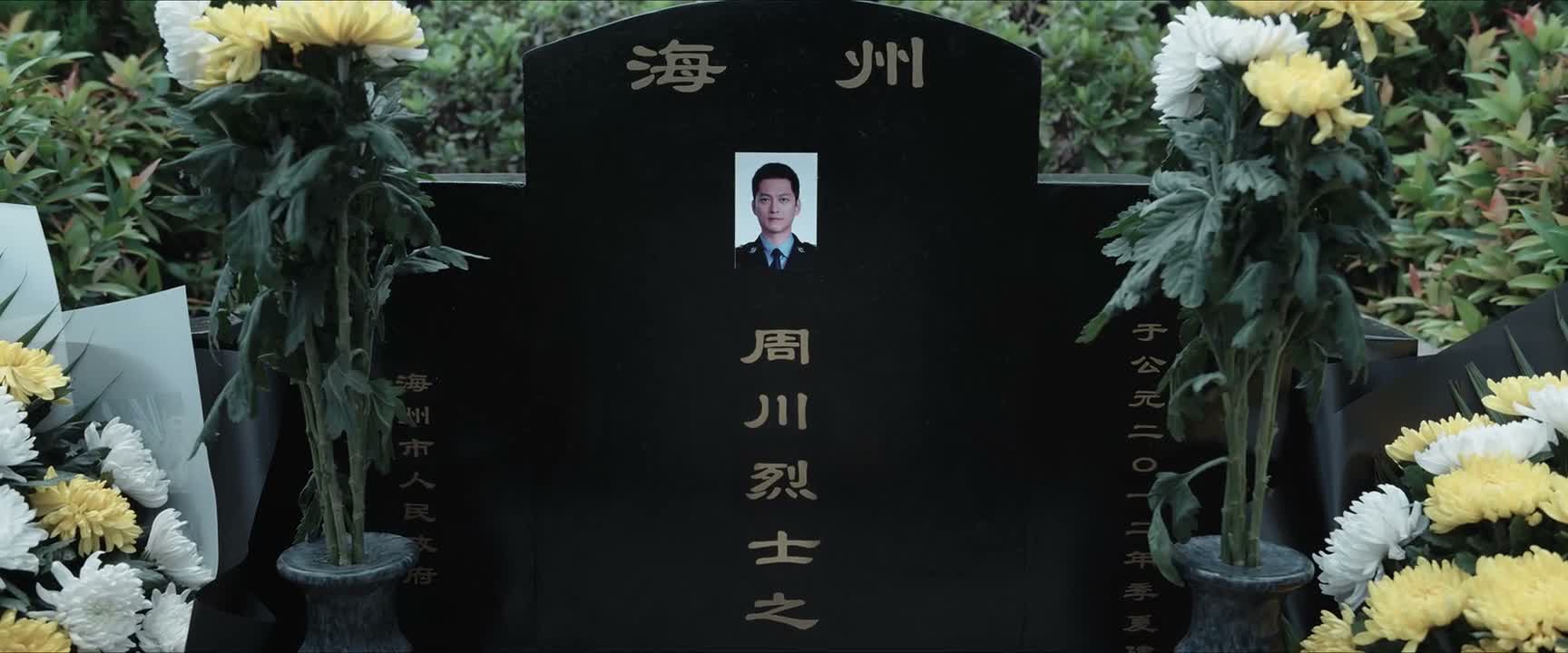
“[Tomb of Martyr Zhou Chuan] How come he died and you came back alive?"”

“we've crawled out of piles of dead bodies.”