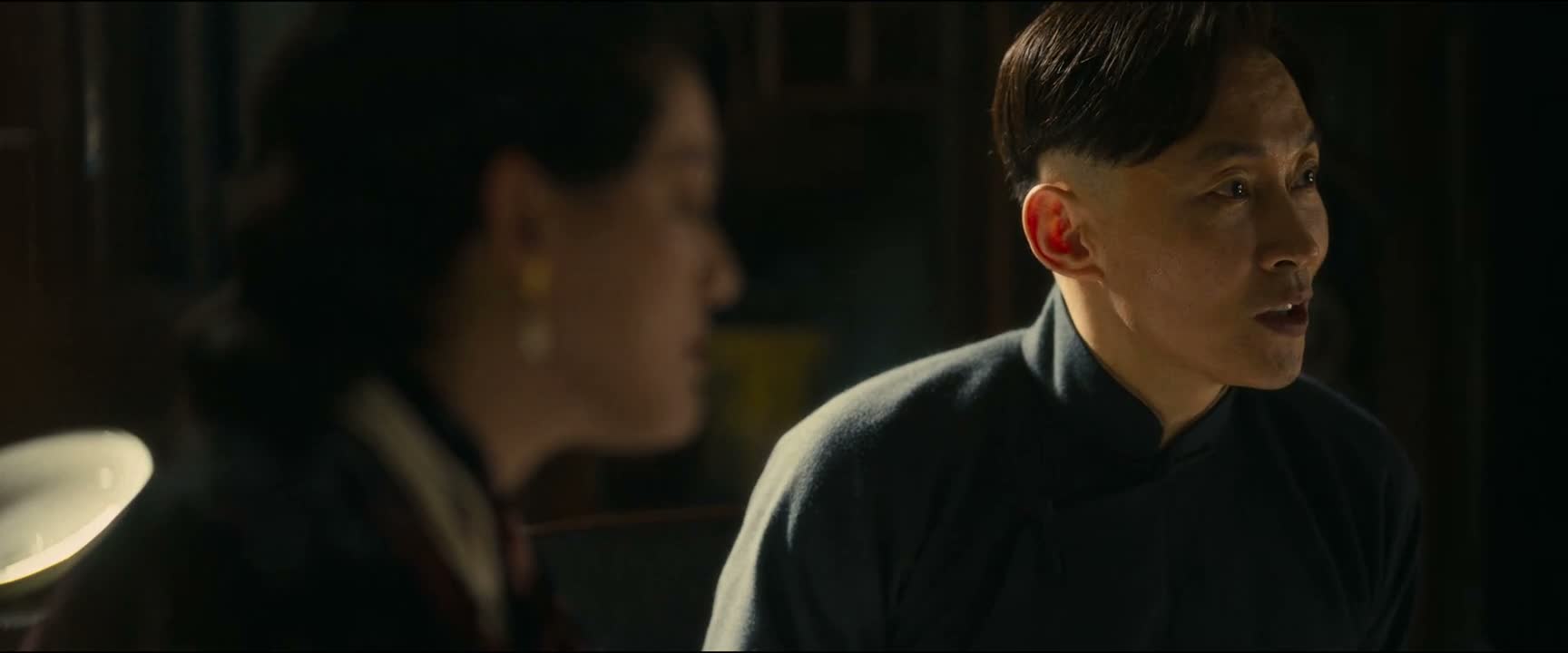
你跟大嫂说 这让大嫂听了往哪儿想啊
“You told sister-in-law. What would she think after hearing this?”
THE DIALOGUE REEL
也有上万呢 你这说什么呢你 什么抚恤金啊
“It's tens of thousands. What are you talking about? What compensation?”
你跟大嫂 说 这让大嫂 听 了 往哪儿想 啊
“You told sister-in-law. What would she think after hearing this?”
我不也在为大嫂着想吗 你这什么叫替 云旗
“Aren't I also thinking for her? What do you mean by that? Yunqi.”
“You are being completely thoughtless—bringing this up will only make her suspect the worst.”
In Chinese family dynamics, bringing up sensitive topics like death or money can trigger overthinking (duoxin), requiring family members to carefully filter what is shared.
LEARNING CHUNKS & PARTICLES
where will someone's thoughts wander / what will someone think
Commonly used in rhetorical questions to warn someone that an action or statement will cause misunderstandings or suspicion.
Adds emotional intensity and exasperation to the rhetorical question.
VOCABULARY & EXPRESSIONS
Parallel Spoken Cinema Scenes (语义近邻切片)

“to ask your wife a favor.”

“Be nice to your sister-in-law! (Fang Aihong) Is it so difficult to cook dinner?”

“Call his wife. Okay.”

“And this time, you even dared to target your sister-in-law. Because I held a grudge!”

“I heard your wife was sick. So I came to see her.”
“Sister-in-law, I've been wanting to tell you this.”

“Explain the whole thing to your wife. I'm leaving now.”

“She's your sister-in-law. Watch your mouth.”

“and things are going well between you and your wife,”