跟我这闹什么 谁说不是呢
“Let her ask her husband for it. Why raise a fuss here? You're absolutely right.”
THE DIALOGUE REEL
“I want the largest lamp! Let her ask her husband for it. Why raise a fuss here?”
跟我这 闹什么 谁说不是呢
“Let her ask her husband for it. Why raise a fuss here? You're absolutely right.”
吕太史
“Lord Lv,”
“I have nothing to do with her drama, and you are totally right to complain.”
Servants or low-level workers bond by venting shared frustration and mocking the unreasonable demands of the elite out of earshot.
LEARNING CHUNKS & PARTICLES
what are you making a scene for? / why make a fuss?
A colloquial rhetorical question used to express annoyance at someone creating unnecessary drama.
tell me about it / exactly / who could disagree?
A standard conversational formula used to emphatically agree with another person's complaint or observation.
Softens the rhetorical question and reinforces conversational agreement.
VOCABULARY & EXPRESSIONS
Parallel Spoken Cinema Scenes (语义近邻切片)

“pulling a stunt like this is just making our lives difficult.”

“What are you doing? Let go!”

“Come on, this is absurd.”
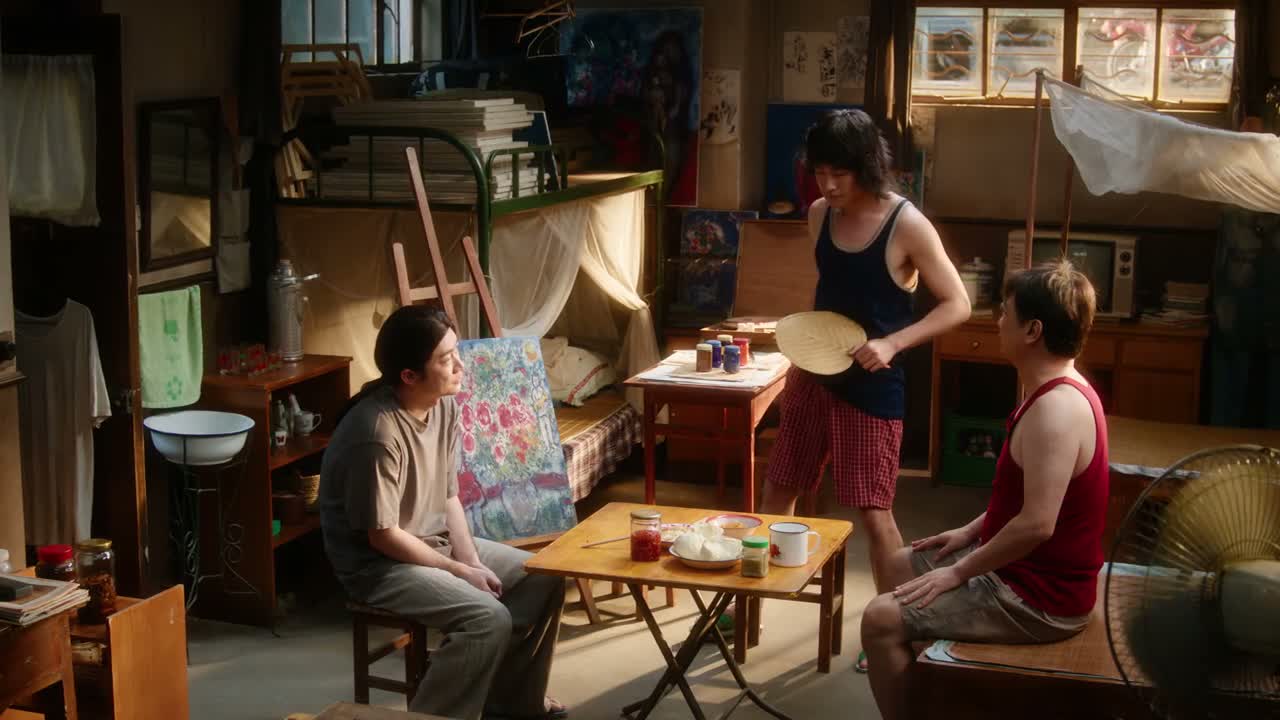
“a bit too far.”

“How can we work then?”

“Just let him cause some trouble. The bigger the trouble, the better.”