什么日子啊 你能睡过头了 你可真行
“Don't you know what day it is? And you overslept? Unbelievable.”
THE DIALOGUE REEL
睡过头了
“I overslept.”
什么日子 啊 你能 睡过头 了 你可真行
“Don't you know what day it is? And you overslept? Unbelievable.”
睡过头了
“You overslept?”
“How could you be so careless and sleep in today of all days?”
Chinese speakers often employ mock praise like '你可真行' to express strong disapproval without launching directly into abusive language.
LEARNING CHUNKS & PARTICLES
to oversleep
A very common everyday spoken phrase used when someone accidentally sleeps past their alarm or intended wake-up time.
you are really something / unbelievable
Frequently used ironically in spoken Chinese to criticize or scold someone for doing something absurd or irresponsible.
Adds emotional intensity and emphasis to the rhetorical question.
Indicates the realization of an undesirable change of state or completed action (oversleeping).
VOCABULARY & EXPRESSIONS
Parallel Spoken Cinema Scenes (语义近邻切片)
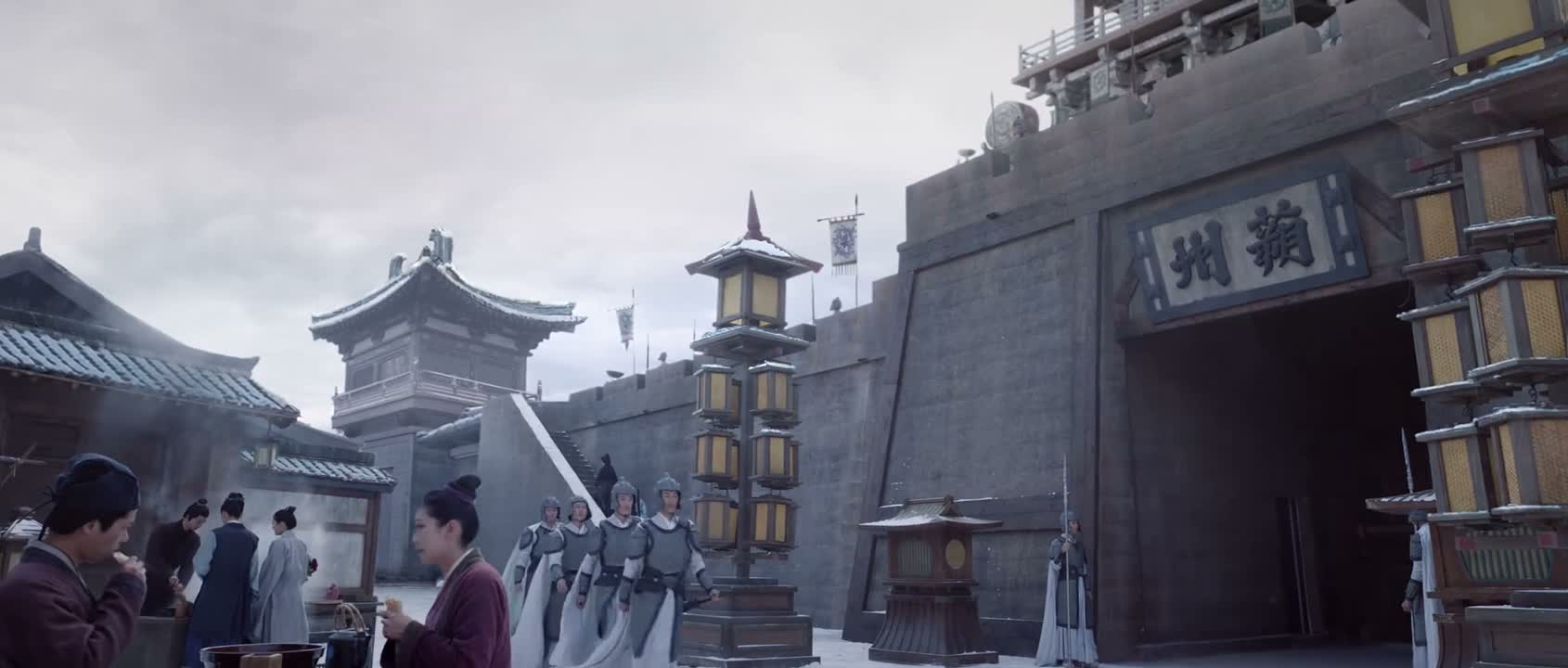
“When will these hard days end?”

“I haven't been sleeping well these days,”

“He worries if you are eating well, and sleeping well,”

“Sleep early. OK. Don't study too late.”
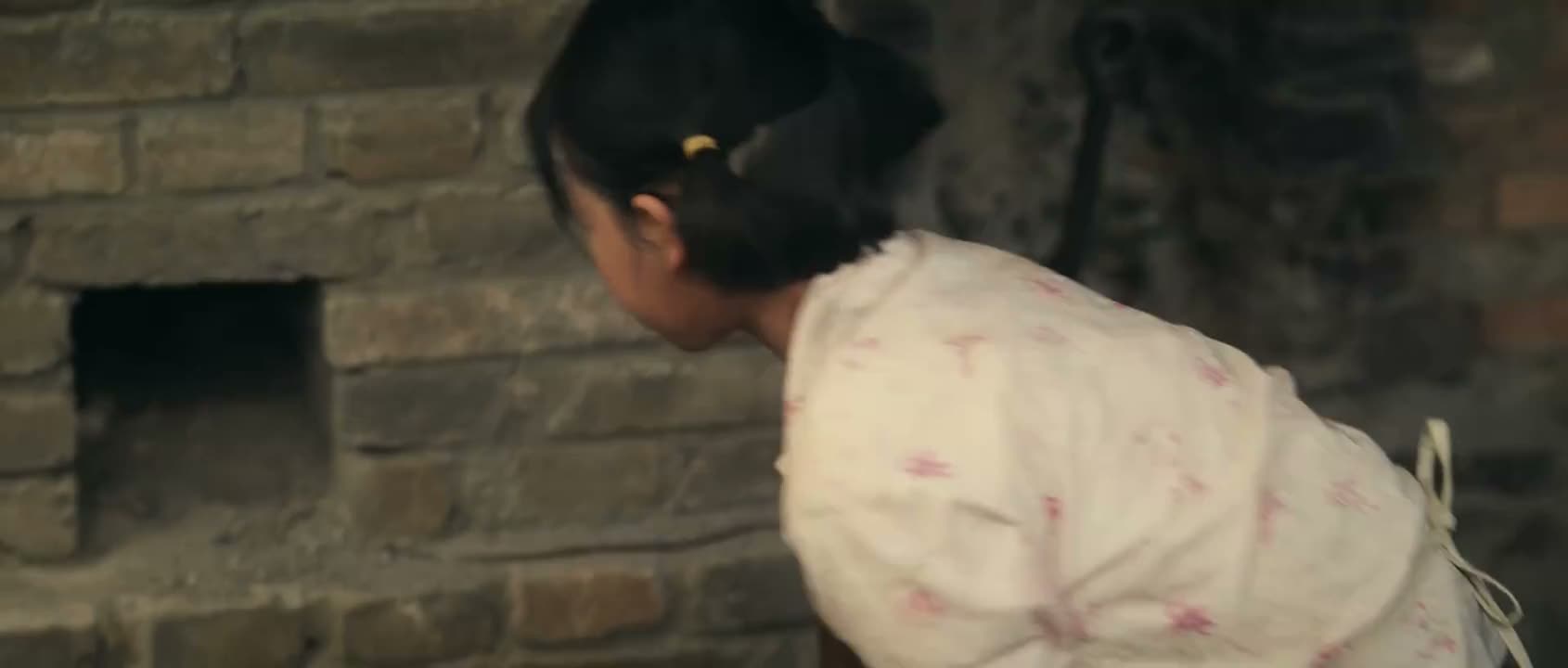
“When will this ever end?”

“Living in such a shabby place?”