谁得罪你了 说话这么冲
“Who offended you? Why are you talking so harshly?”
THE DIALOGUE REEL
“What kind of special book are you reading that's so addictive?”
谁 得罪你了 说话这么冲
“Who offended you? Why are you talking so harshly?”
“Why are you taking your bad mood out on me?”
In Chinese social interaction, calling out someone speaking 'chong' serves as a gentle check against letting anger from an unrelated source spill over onto innocent conversation partners.
LEARNING CHUNKS & PARTICLES
to offend or displease someone
Commonly used in interpersonal contexts when asking if someone made another person angry or upset.
speaking so aggressively or brusquely
A highly idiomatic oral phrase used to call out someone whose speech is harsh, sharp, or irritable.
Indicates a completed change of state, referring to the prior action of someone having offended the listener.
VOCABULARY & EXPRESSIONS
Parallel Spoken Cinema Scenes (语义近邻切片)

“What did I do wrong? You don't talk to me anymore.”

“Did I ever offend you somehow?”

“What exactly did I do wrong?”

“If you offend him, you might lose more than just the business.”
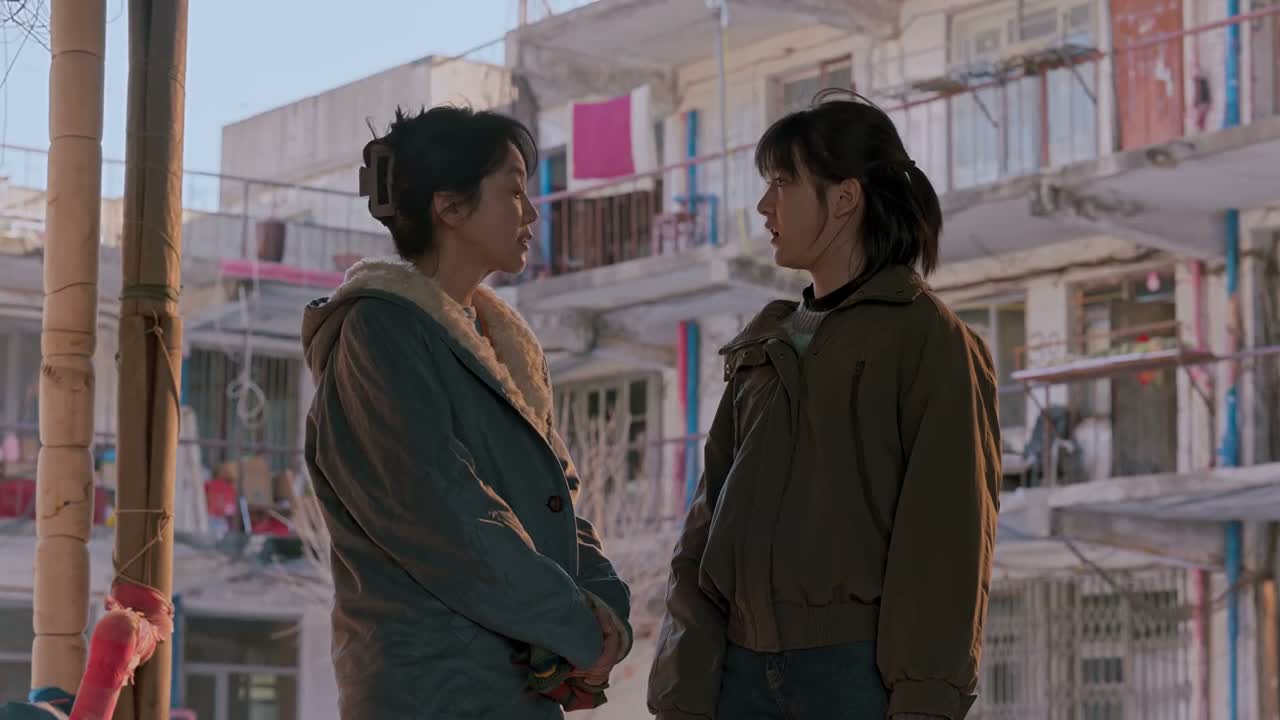
“Think about who you offended.”

“what did you do to offend the boss?”