累都累死了 还吃什么呢 对啊
“Everyone would be too tired to eat. Yeah.”
THE DIALOGUE REEL
或者北边这边过来的话 那光开车就要两个多小时啊
“or north side of the city would take over two hours.”
累都累死了 还吃什么呢 对啊
“Everyone would be too tired to eat. Yeah.”
“Driving two hours for lunch, then another two hours back,”
“I am far too exhausted to even care about food, let's just drop this plan.”
In large Chinese tier-one cities, intense traffic and massive commutes frequently turn social dining into an exhausting chore rather than a pleasure.
LEARNING CHUNKS & PARTICLES
exhausted to death / completely worn out
A very common emphatic pattern [Verb + 都 + Verb + 死了] used to accentuate the extreme degree of an unpleasant sensation.
why bother eating / who has the energy to eat
A rhetorical question highlighting that an activity is pointless under current adverse circumstances.
Softens the rhetorical question while underscoring the speaker's baffled and dismissive mood.
VOCABULARY & EXPRESSIONS
Parallel Spoken Cinema Scenes (语义近邻切片)

“Won't you get sick of nagging, my dear apprentice? I…”

“You're not slaving away for me.”

“Tired and hungry.”

“I'm exhausted.”
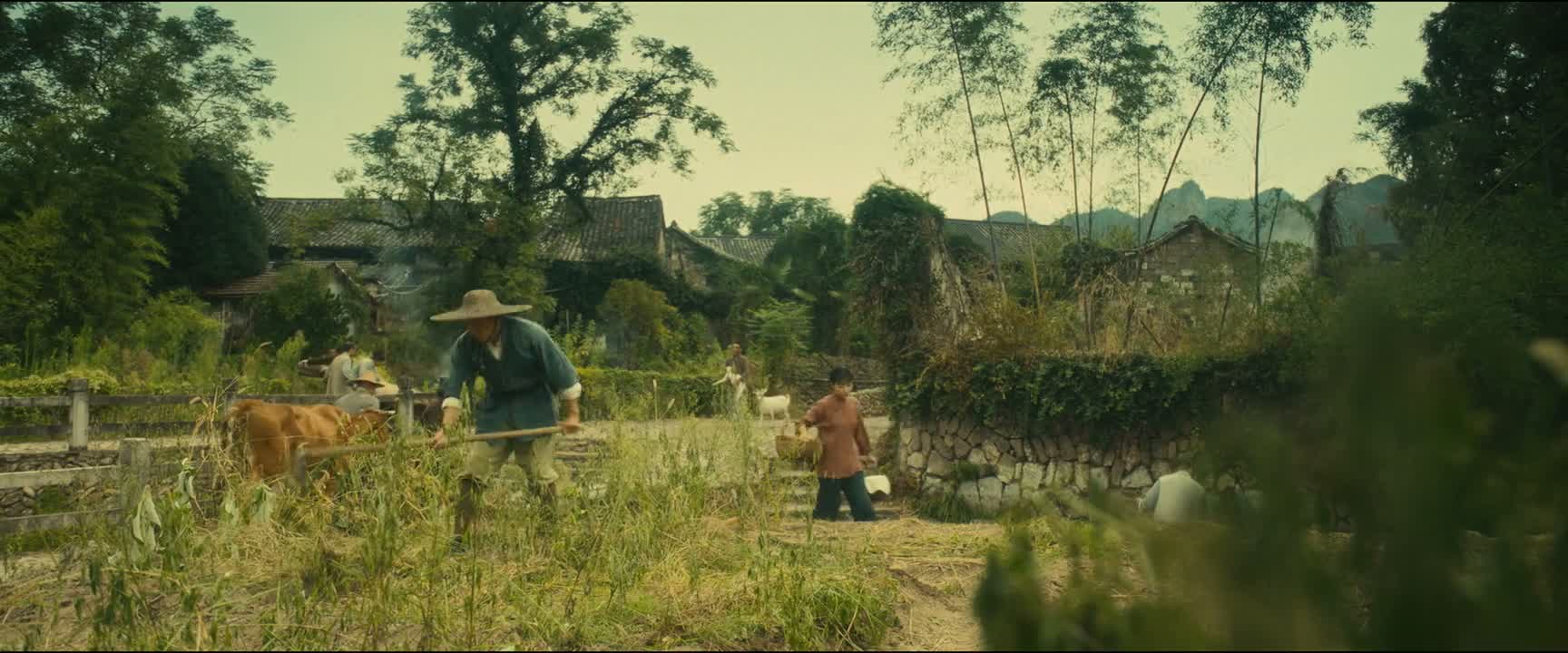
“You must be tired. Time to eat. Not tired.”

“Young people are all tired.”