你累死累活又不是为了我
“You're not slaving away for me.”
THE DIALOGUE REEL
你少跟我在这儿卖惨
“Don't play the victim with me.”
你 累死累活 又不是为了 我
“You're not slaving away for me.”
我不是为了你
“If it were not for you, why would I take care of others?”
“Stop acting like a martyr; don't pin the burden of your personal choices on me.”
Chinese interpersonal disputes often center on 'giving everything for you' (wei le ni), which can feel like heavy moral pressure; the speaker pushes back against this emotional obligation.
LEARNING CHUNKS & PARTICLES
working oneself to exhaustion; slaving away
Used to vividly describe extreme physical exertion and tireless labor, often in arguments about sacrifice.
it's not like; after all it isn't
A defensive rhetorical marker used to refute an assumption or emotional accusation.
VOCABULARY & EXPRESSIONS
Parallel Spoken Cinema Scenes (语义近邻切片)

“I'm exhausted.”

“I'm not tired. I haven't done much work. I meant you look tired from all that talking.”

“This work is dirty and exhausting.”
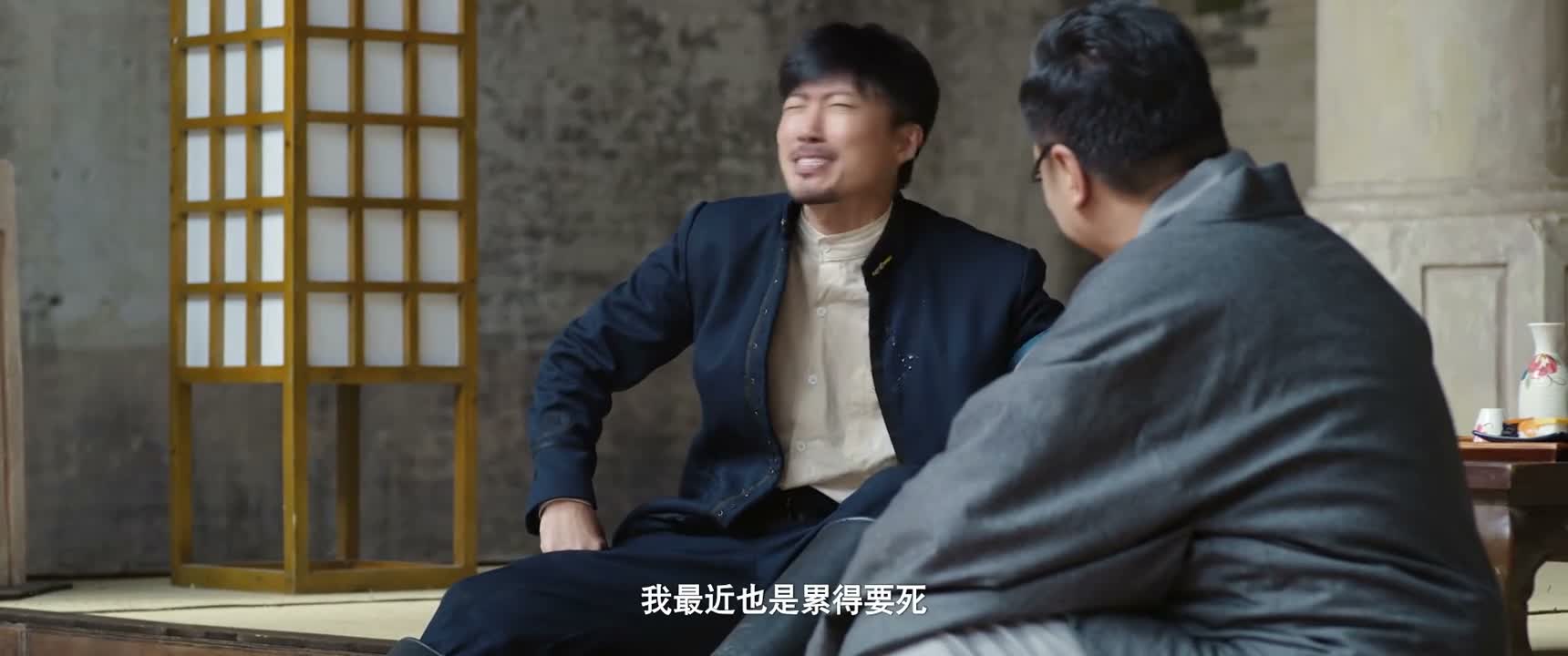
“I've been worked to death lately too”

“Everyone would be too tired to eat. Yeah.”

“I slaved away taking care of others. Now I have to clean up your mess.”