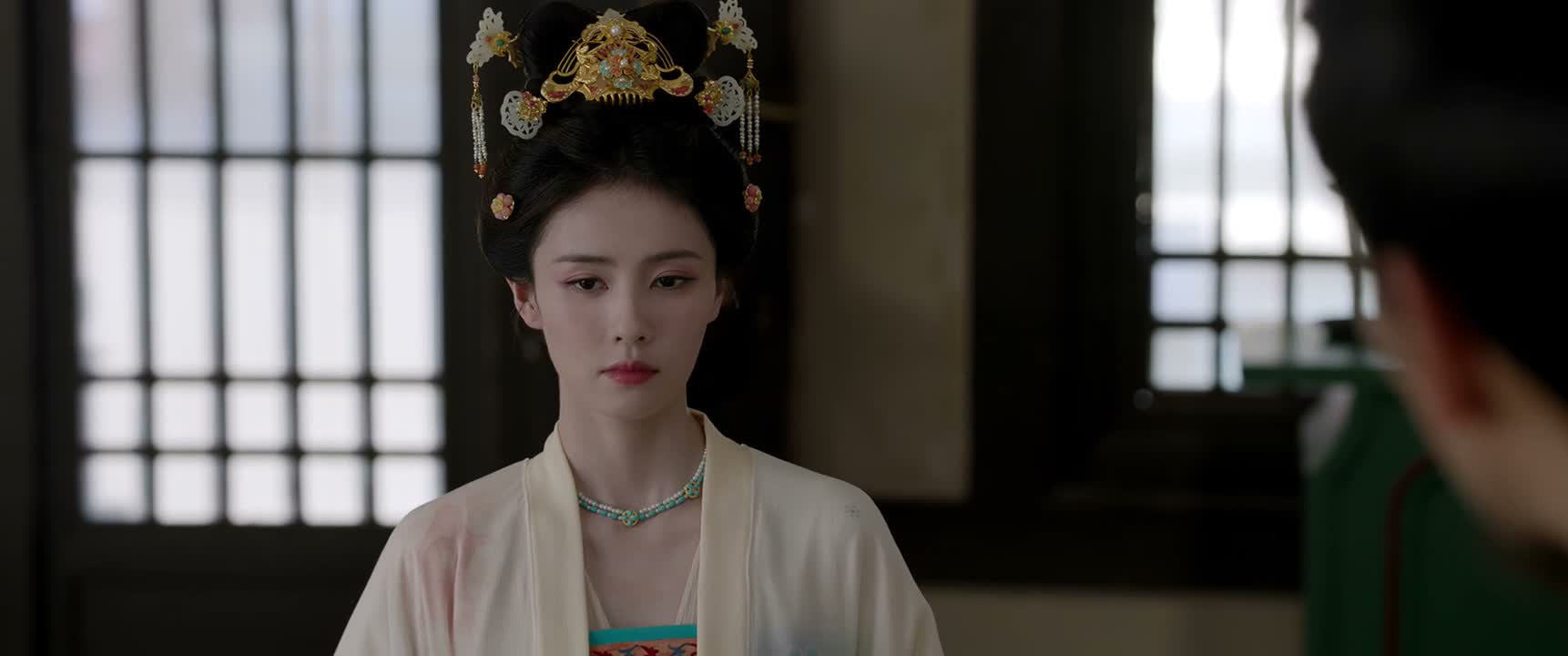
她确实欠妥了
“Frankly, Her Highness did handle this matter poorly.”
THE DIALOGUE REEL
按说王妃此事办得
“Frankly, Her Highness did handle this matter poorly.”
她 确实 欠妥 了
“Frankly, Her Highness did handle this matter poorly.”
“But her original intention wasn't to harm you.”
“Yes, she made a mistake, but hear me out before you punish her.”
Chinese interpersonal rhetoric often acknowledges the other party's criticism first to soften defenses before presenting an apology or justification.
LEARNING CHUNKS & PARTICLES
improper, ill-considered, lacking prudence
A polite, euphemistic way to criticize an action or decision without sounding aggressive.
indeed, certainly
Commonly placed before an adjective or verb to acknowledge a fact or show agreement.
Indicates a completed judgment or realization regarding the nature of the action.
VOCABULARY & EXPRESSIONS
Parallel Spoken Cinema Scenes (语义近邻切片)

“She must take responsibility for her wrongs.”
“What did she do wrong?”

“You think she's not good enough?”

“she have no reason to do that, right?”

“we shouldn't ignore her contributions.”

“She's not in a good headspace.”