MC
MandarinClips Cinema Corpus
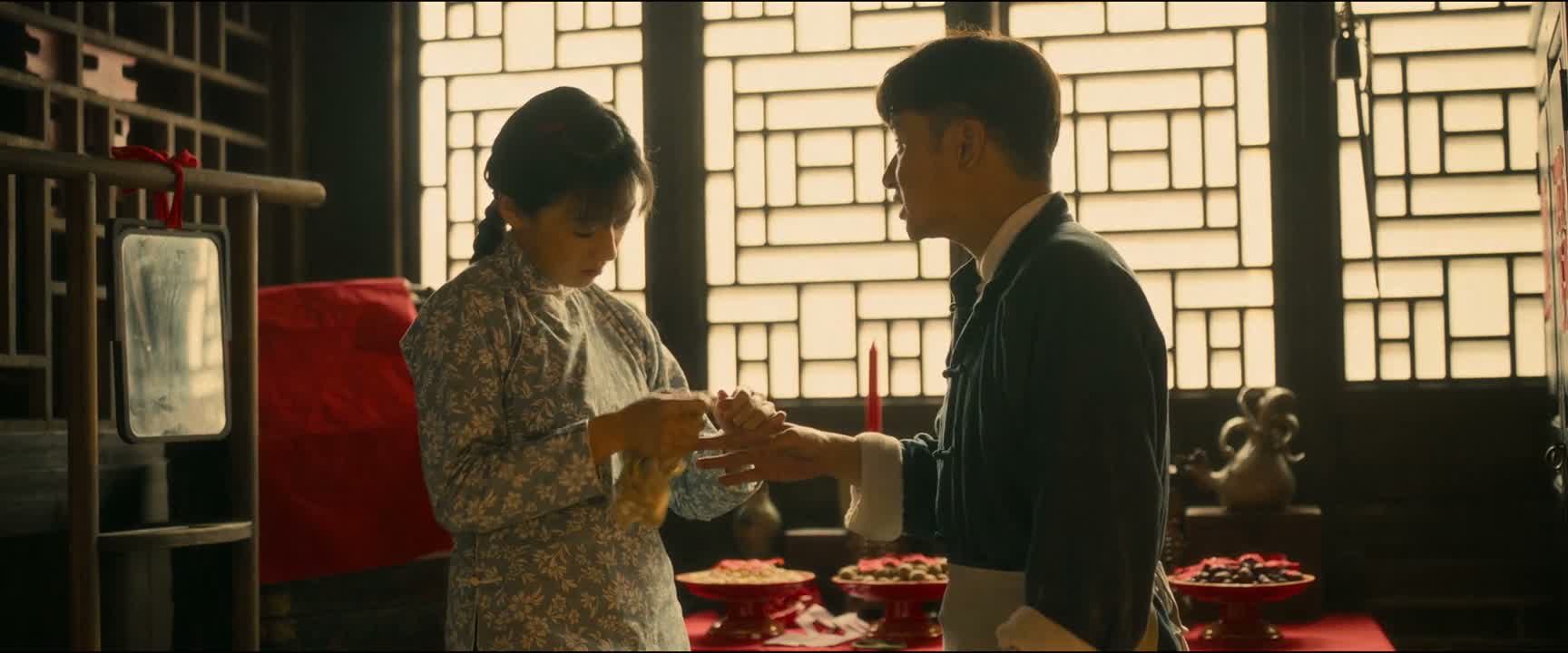
《The Imperial Coroner》 S2·E25 (33:59) HSK 7
bù dé yǐ chū bīng zhǐ zhàn

不得已出兵止战

“and were forced to deploy to quell the unrest.”

《The Imperial Coroner》 S2·E25
TIMECODE: 33:59 · 1080P MASTER AUDIO

THE DIALOGUE REEL

1+1+1 SPOKEN CONTINUITY
[-1] PREVIOUS TURN lǜ wáng fēi zhī ān wēi

虑王妃之安危

“were worried about Her Highness's safety”

bù dé yǐ chū bīng zhǐ zhàn CURRENT FOCUS

不得已出兵止战

“and were forced to deploy to quell the unrest.”

[+1] FOLLOW-UP TURN jīn zhàn xī

今战息

“The battle ends today,”

Subtitles synced to millisecond timecode Browse Show Clips →
Scene: Historical & Court
Function: JUSTIFYING ACTION
Tone: JUSTIFICATORY
Emotion: SOLEMNITY
WHAT THEY REALLY MEAN (PRAGMATIC SUBTEXT)
“I did not start this war; I mobilized troops purely for peace and protection.”
💡 Cultural Insight: Righteous Warfare (Yi Zhan)

In traditional Chinese political philosophy, military force is only morally justified when used defensively or as a reluctant last resort to stop chaos and restore peace.

INTENT TAGS: #justification #legitimization #defensive_framing #formal_declaration
🧩

LEARNING CHUNKS & PARTICLES

3 CHUNKS · 0 PARTICLES
不得已 SPOKEN CHUNK

as a last resort / having no alternative

Used in formal or written contexts to emphasize that an action was taken purely out of unavoidable necessity.

出兵 SPOKEN CHUNK

to dispatch troops / to mobilize military forces

A formal historical or political verb for launching military intervention.

止战 SPOKEN CHUNK

to end war / to cease hostilities

Literary classical Chinese term for halting warfare.

🏮

VOCABULARY & EXPRESSIONS

1 EXPR · 5 GRAMMAR
CROSS-CINEMA CORPUS BOARD · PARALLEL SCENES

Parallel Spoken Cinema Scenes (语义近邻切片)

EXPLORE BY SEMANTIC SIMILARITY
《The Imperial Coroner》 S2·E25 (33:59) · Authentic Cinema Dialogue Corpus