或许他不够强大 但这样的呈现也未尝不好
“Perhaps he's not strong enough, but that kind of portrayal isn't necessarily bad.”
THE DIALOGUE REEL
会失误 会害怕 所以他的悲剧更容易被观众感知
“he makes mistakes and feels fear. That makes his tragedy easier for the audience to relate to.”
或许 他 不够强 大 但 这样 的呈现也 未尝不好
“Perhaps he's not strong enough, but that kind of portrayal isn't necessarily bad.”
明明都不一样
“We're clearly different.”
Direct spoken expression in this communicative setting.
Double-negative structures like '未尝不' reflect traditional conversational aesthetics of moderation and avoiding extreme, polarized statements.
LEARNING CHUNKS & PARTICLES
might not necessarily be; not necessarily un-
A double-negative literary construction used in formal spoken discourse to provide an open-minded, gentle concession.
perhaps; maybe
A slightly formal adverb used to hedge assertions and sound more objective.
VOCABULARY & EXPRESSIONS
Parallel Spoken Cinema Scenes (语义近邻切片)

“but because you're not powerful enough.”

“Maybe we shouldn't have forced him in the first place.”

“But when he grows up,”
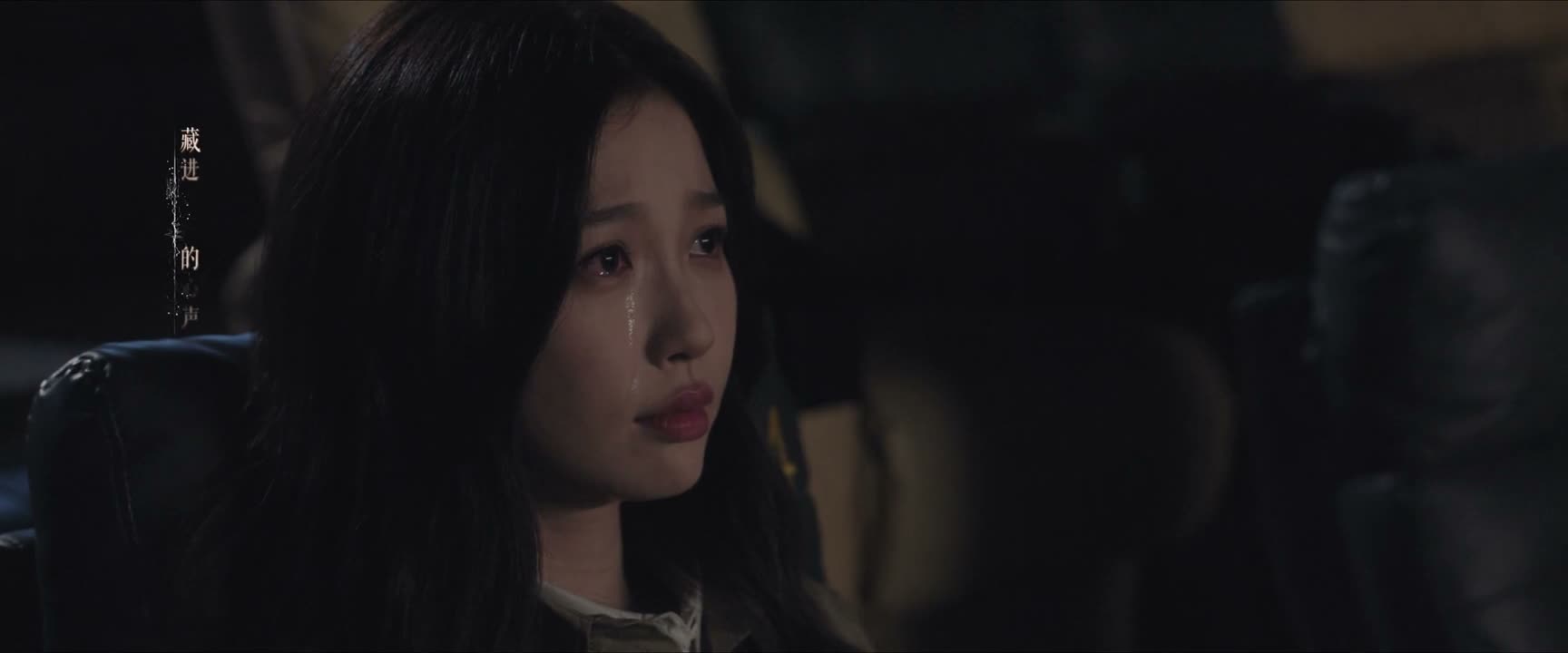
“♪ The inner voice hidden in the origami ♪ They are stronger than we imagined.”

“I'm not that weak now.”

“Maybe it's just too heavy for him.”