就是 谍战剧老用的那个
“The one often used in spy dramas.”
THE DIALOGUE REEL
母本密码
“Ma'am, the master code?”
就是 谍战剧 老用的 那个
“The one often used in spy dramas.”
老鬼
“Old Ghost, you decode them.”
Direct spoken expression in this communicative setting.
Espionage dramas set in the Republican or WWII eras are staples of Chinese prime-time television, making tropes like secret codes and undercover agents instantly recognizable reference points for the general public.
LEARNING CHUNKS & PARTICLES
frequently used; always used
A casual spoken phrase where '老' acts as an adverb meaning 'always' or 'frequently'.
spy drama; espionage television series
A very common television genre term in contemporary mainland Chinese media.
VOCABULARY & EXPRESSIONS
Parallel Spoken Cinema Scenes (语义近邻切片)
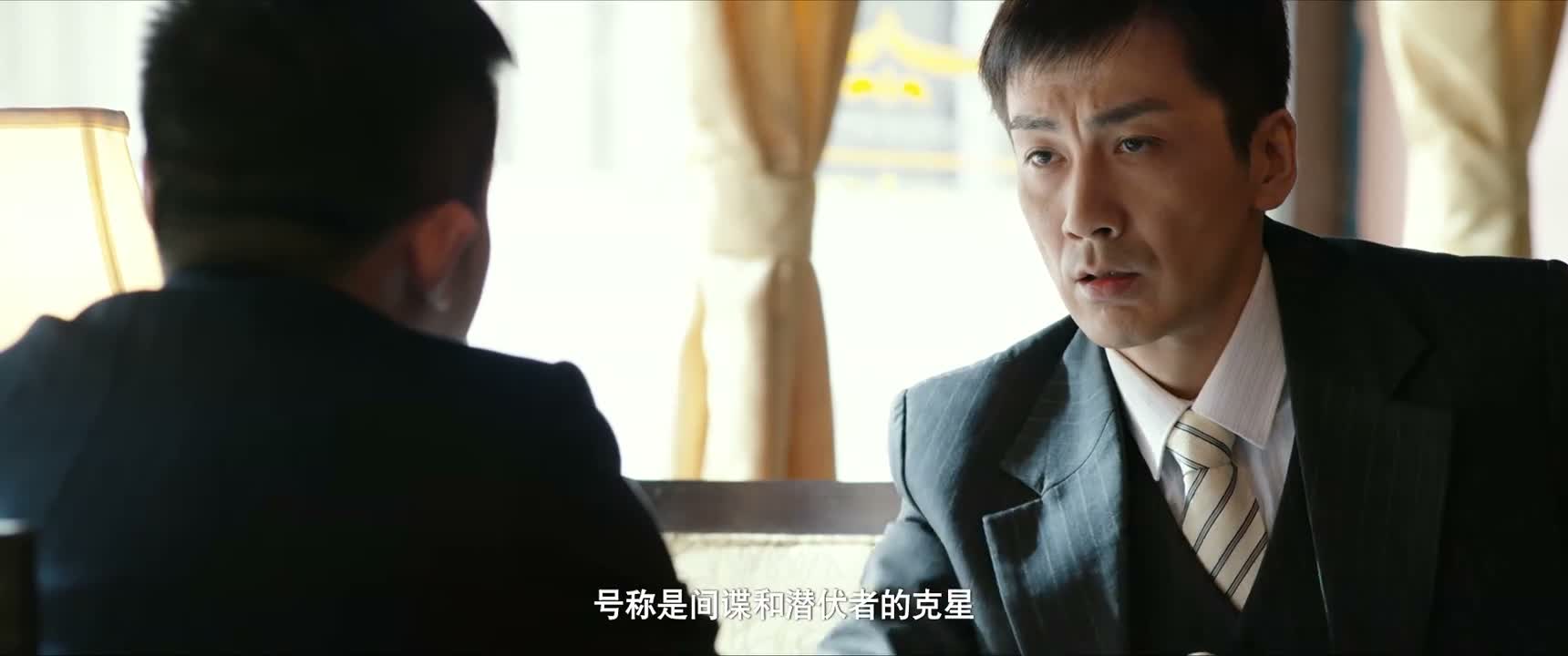
“”
“He's very popular with old cops like Dad.”
“by me.”

“We're all old acquaintances. What's that fuss about?”

“Of course.”
“Well, at a certain age,”