吹什么吹 烦死了
“Stop the noise. So annoying!”
THE DIALOGUE REEL
对不起啊
“I'm sorry.”
吹什么吹 烦死了
“Stop the noise. So annoying!”
来弟
“Laidi.”
Direct spoken expression in this communicative setting.
Among intimate relatives or peers, Chinese speakers often drop polite face-saving pleasantries and express raw annoyance directly using rhetorical repetition patterns.
LEARNING CHUNKS & PARTICLES
annoying to death / so irritating
A very common colloquial hyperbolic structure '[adjective] + 死了' to express extreme emotional discomfort or annoyance.
stop blowing / what are you blowing for
The rhetorical pattern '[Verb] + 什么 + [Verb]' is used to dismiss, scold, or demand someone stop doing an annoying action.
Functions in '烦死了' as an intensifier marking an unbearable extreme degree of frustration.
VOCABULARY & EXPRESSIONS
Parallel Spoken Cinema Scenes (语义近邻切片)

“Hot. Blow on it.”
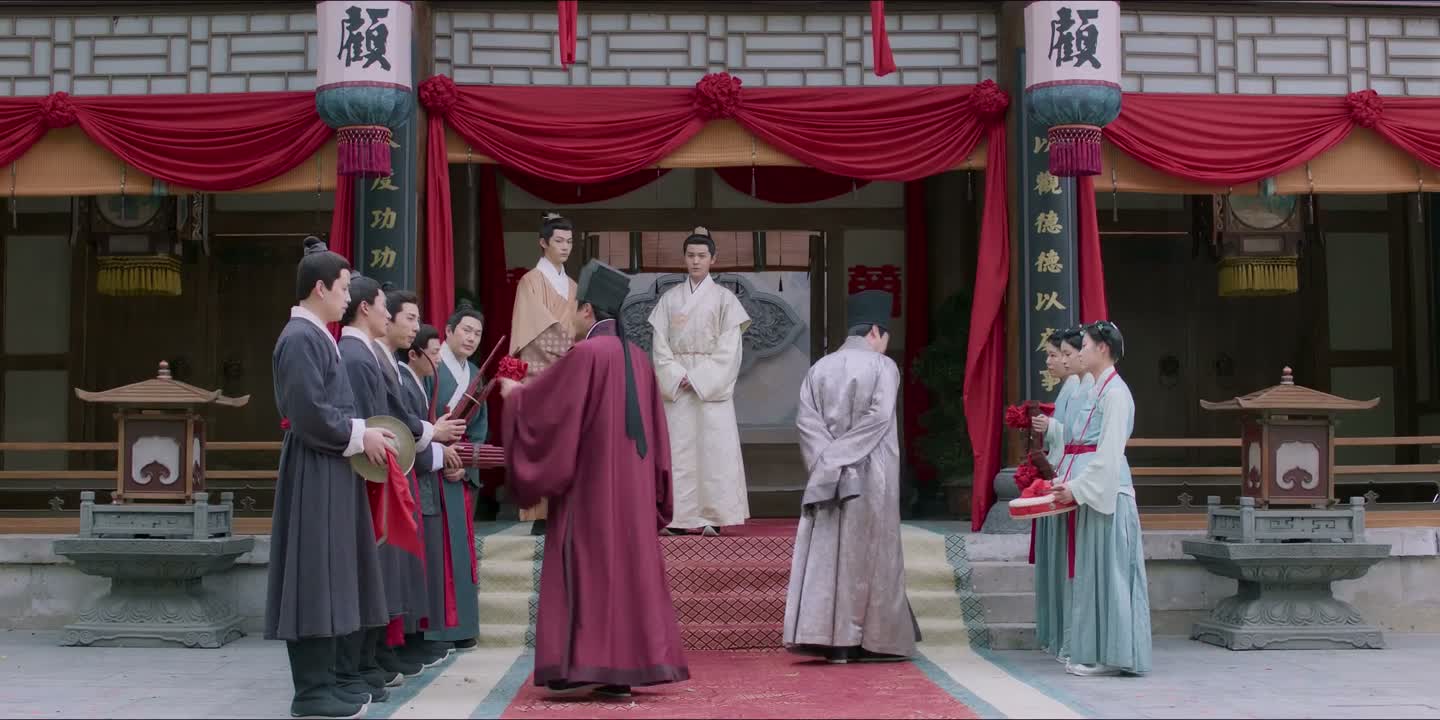
“Play. Who told you to stop?”

“I'm not just boasting,”

“Don't mess with me. You can't catch a cold.”

“They use a bugle in the army. You're playing a suona horn.”
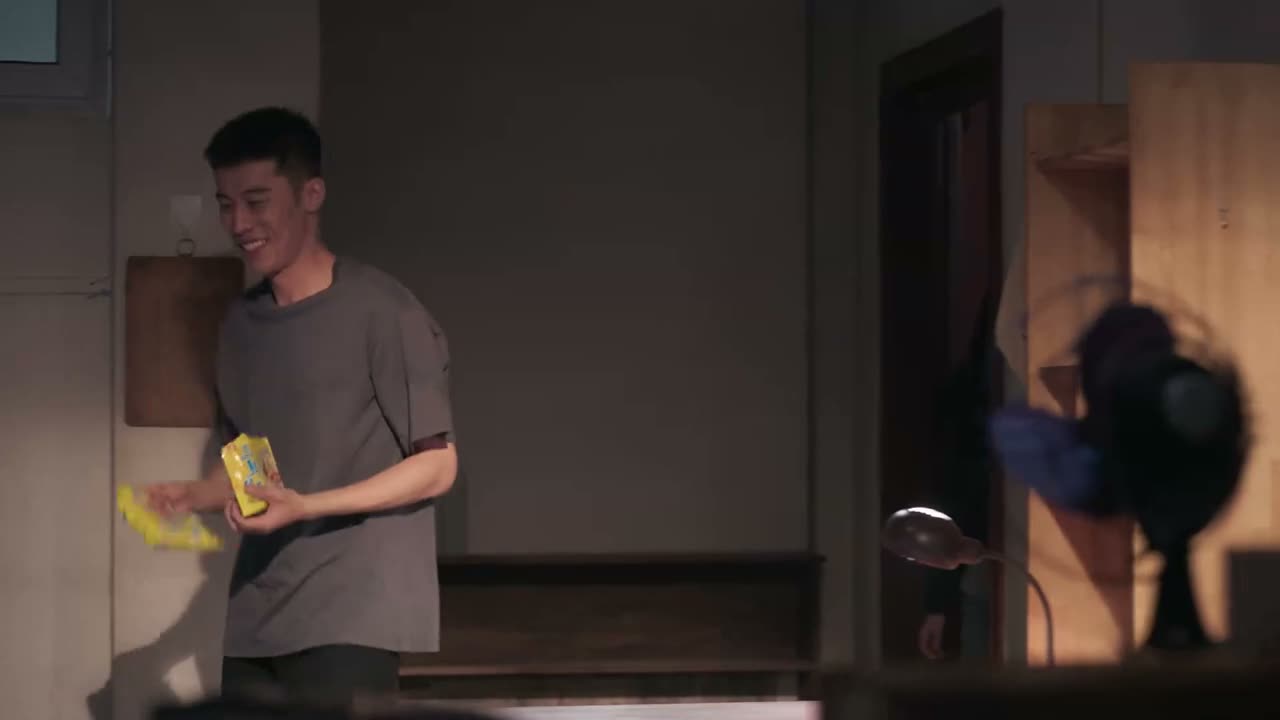
“Annoying. Boring.”