嫂子你身体好点了吗 没啥事了
“Ma'am, are you feeling better now? I'm fine now.”
THE DIALOGUE REEL
“I brought you some pastries. So kind of you. Come on, sit.”
嫂子你 身体好点了吗 没啥事了
“Ma'am, are you feeling better now? I'm fine now.”
“Have some watermelon. Just sliced. Thanks.”
Direct spoken expression in this communicative setting.
Chinese people often downplay personal discomfort with '没啥事' (nothing serious) to prevent family or guests from worrying.
LEARNING CHUNKS & PARTICLES
Are you feeling better?
A standard, caring phrase used to ask about someone's recovery from an illness.
Nothing serious anymore / all good now
A colloquial northern expression downplaying health issues to reassure others.
Marks a standard yes-no question inquiring about someone's condition.
Indicates a change of state, showing recovery has occurred.
VOCABULARY & EXPRESSIONS
Parallel Spoken Cinema Scenes (语义近邻切片)
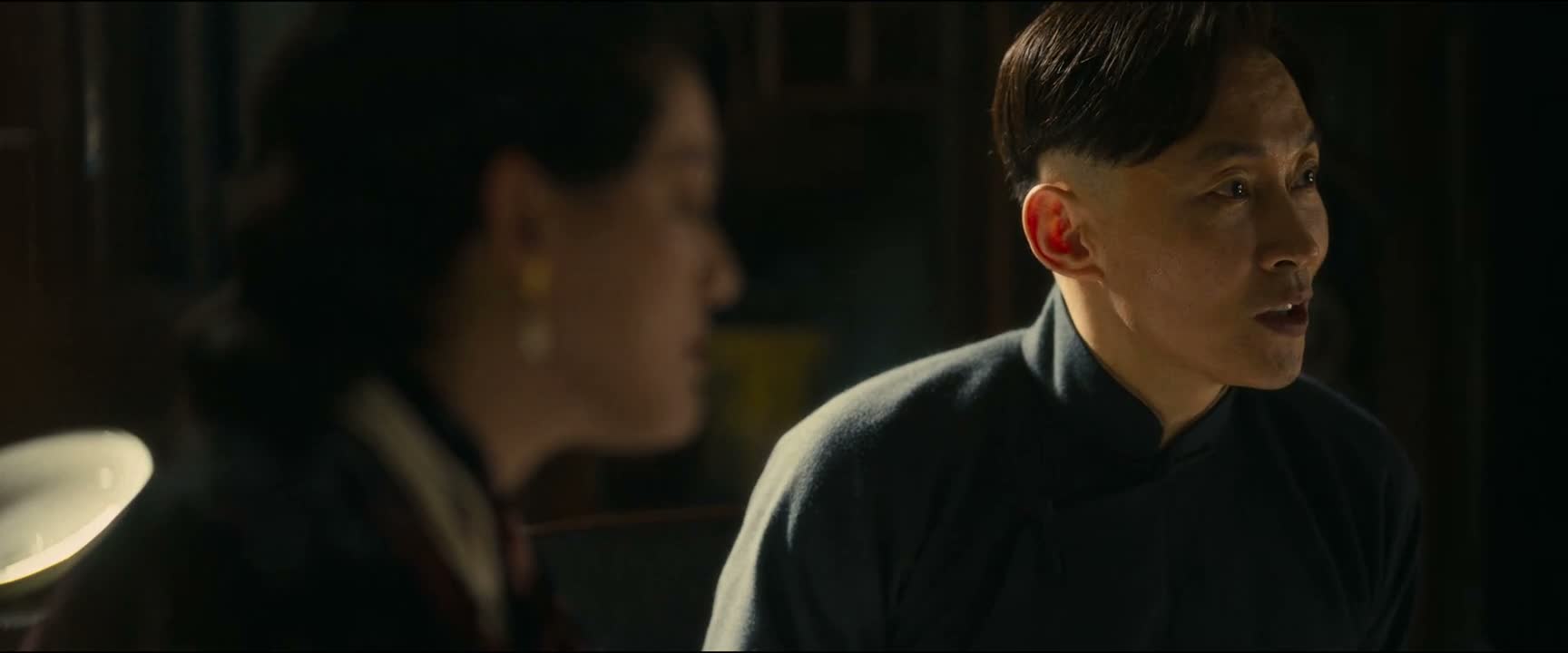
“Sister-in-law, I've been wanting to tell you this.”
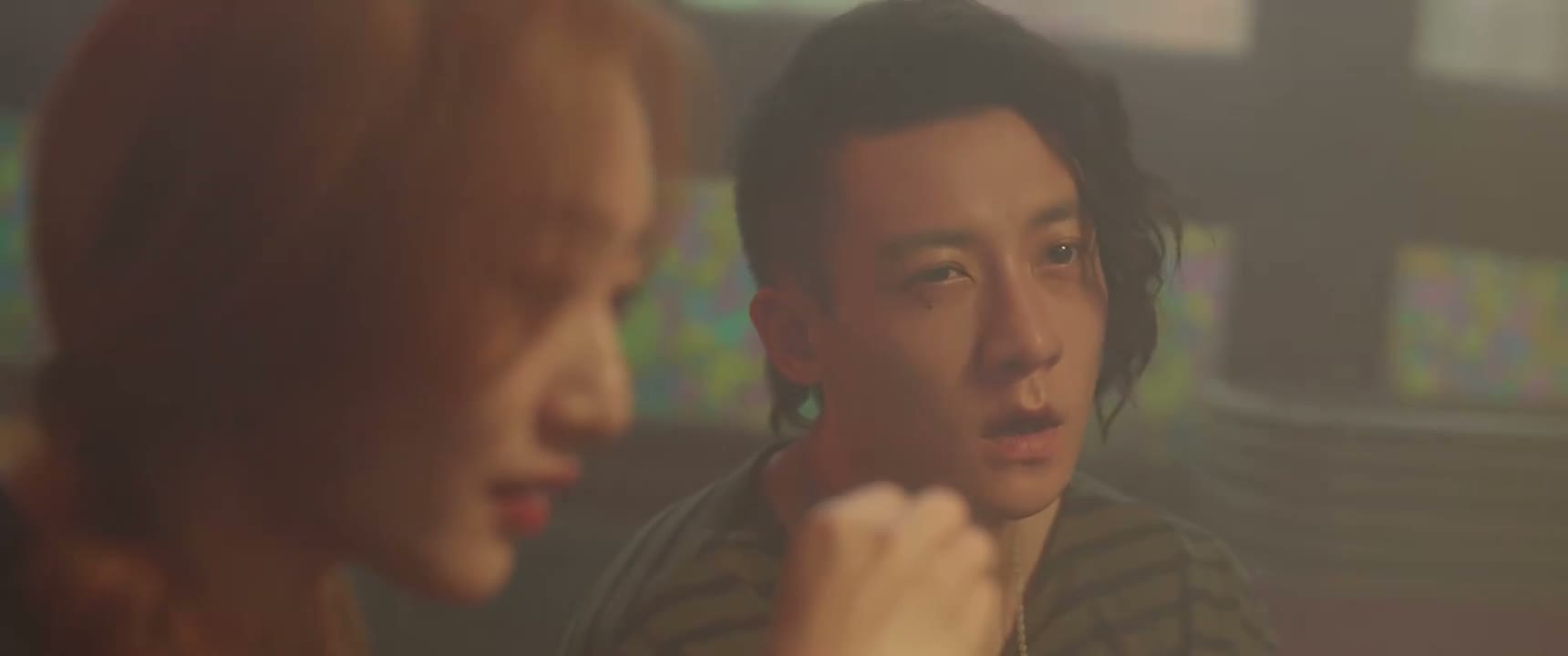
“Come on, that's a bit much.”
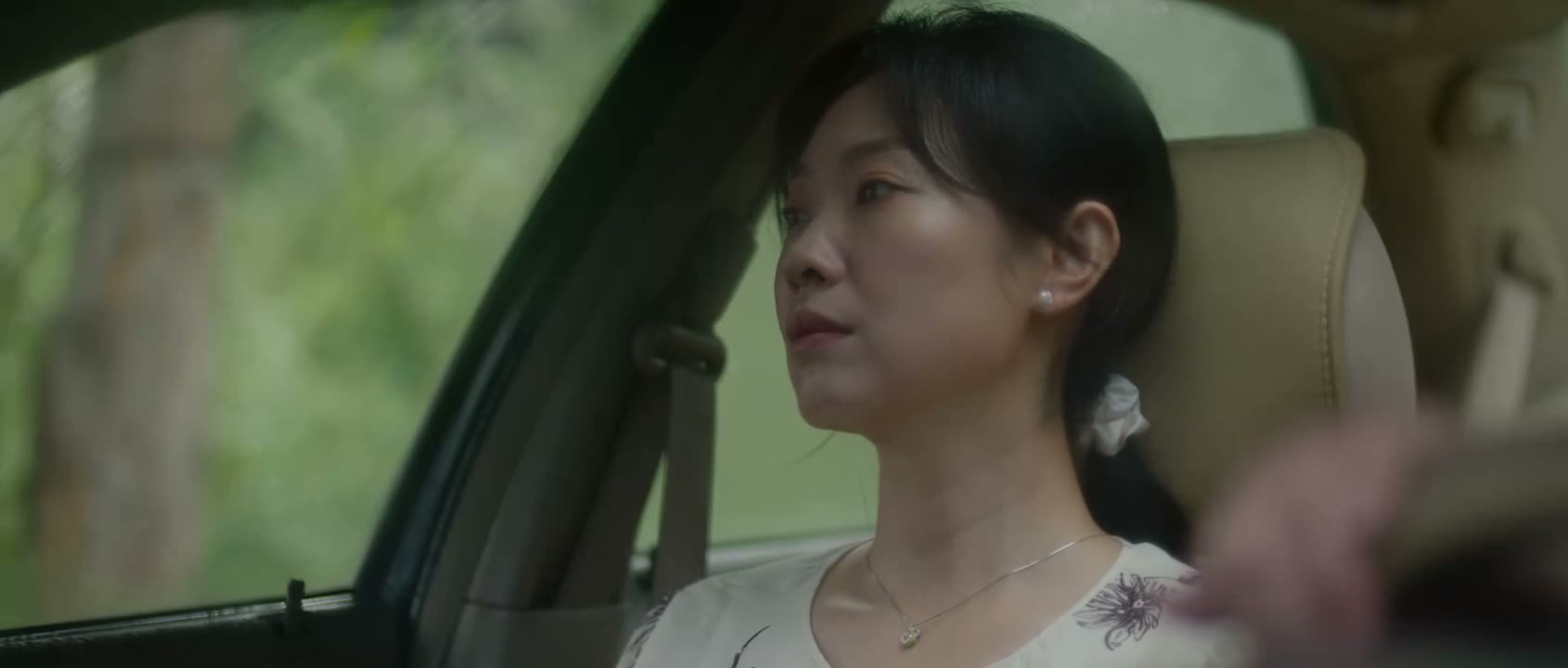
“Qin, it's all thanks to you.”

“Qin, no more talking?”
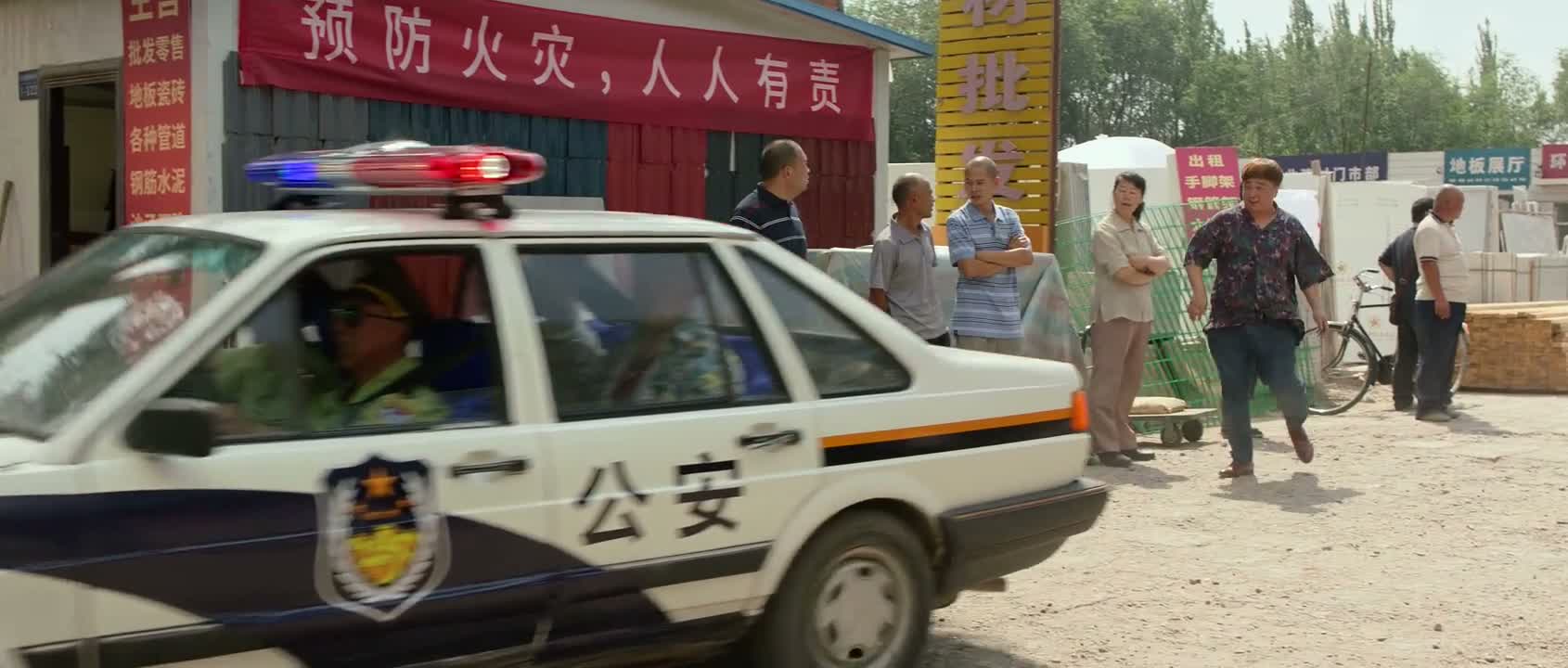
“Qin, look.”

“Jing. Then I won't see you out.”