MC
MandarinClips Cinema Corpus
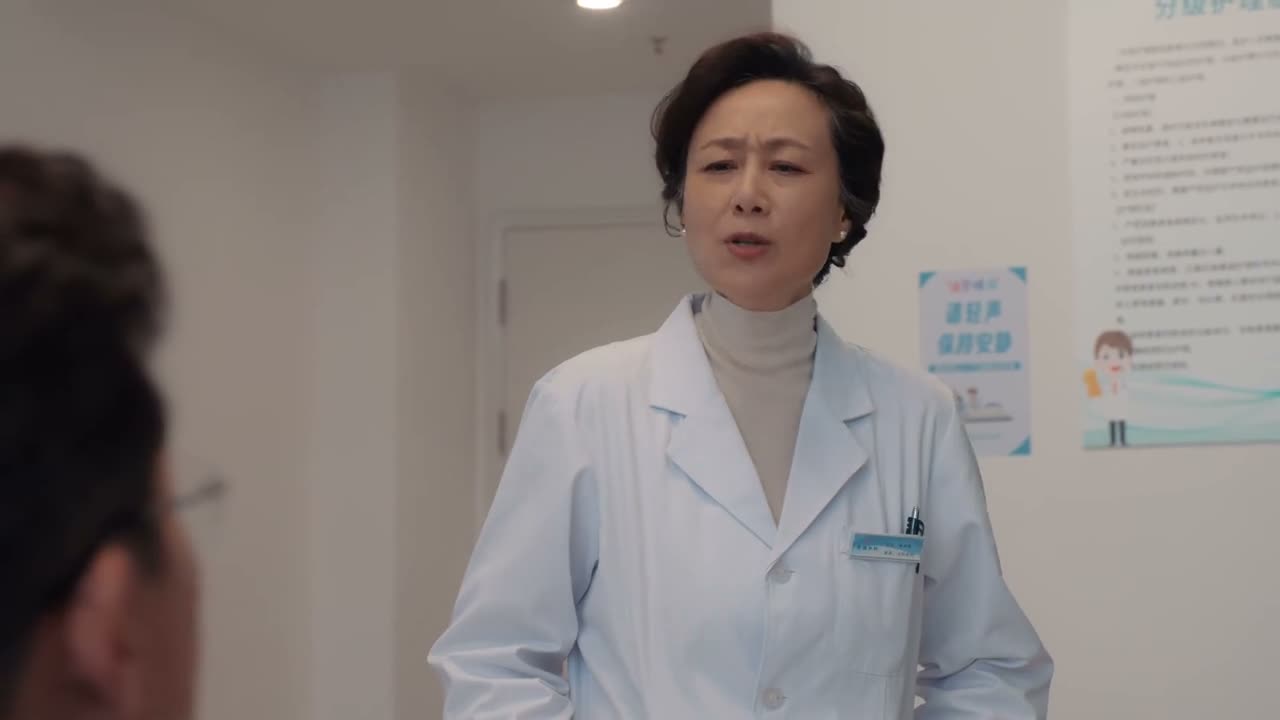
《Love Between Lines》 S1·E20 (03:40) HSK 5
nǐ méi yǒu zhǎo dào zhòng diǎn a zhòng diǎn shì shén me ya

你没有找到重点啊 重点是什么呀

“you missed the point. What's the point?”

《Love Between Lines》 S1·E20
TIMECODE: 03:40 · 1080P MASTER AUDIO

THE DIALOGUE REEL

1+1+1 SPOKEN CONTINUITY
[-1] PREVIOUS TURN wǒ ràng nǐ gěi wǒ shāi jiān kòng shì pín nǐ gěi wǒ kàn shén me ne zhè shì lǎo bǎn

“I asked you to sort through surveillance footage, what is this you're showing me? Boss,”

nǐ méi yǒu zhǎo dào zhòng diǎn a zhòng diǎn shì shén me ya CURRENT FOCUS

你没有 找到 重点啊 重点是什么 呀

“you missed the point. What's the point?”

[+1] FOLLOW-UP TURN nǐ zài kàn kàn

你再看看

“Look again.”

Subtitles synced to millisecond timecode Browse Show Clips →
Scene: Workplace
Function: CRITICIZING PERFORMANCE
Tone: CRITICAL
Emotion: FRUSTRATION
WHAT THEY REALLY MEAN (PRAGMATIC SUBTEXT)
“You're wasting time on irrelevant details; pay attention to what actually matters!”
💡 Cultural Insight: Direct Critique in Workplace Hierarchies

In Chinese business dynamics, superiors often use blunt rhetorical questions to push subordinates to reflect and correct errors quickly rather than spoon-feeding them answers.

INTENT TAGS: #criticism #probing #guiding #expressing_frustration
🧩

LEARNING CHUNKS & PARTICLES

1 CHUNKS · 2 PARTICLES
找到重点 SPOKEN CHUNK

to grasp the key point or focus

Commonly used in workplace discussions or study contexts when someone gets distracted by secondary details.

Modal Particle「啊」 (a) CHANGE OF STATE

Adds an assertive, somewhat exasperated emphasis to the opening statement.

Modal Particle「呀」 (ya) CHANGE OF STATE

Softens the rhetorical question slightly while conveying pressing curiosity or mild annoyance.
🏮

VOCABULARY & EXPRESSIONS

3 EXPR · 1 GRAMMAR
CROSS-CINEMA CORPUS BOARD · PARALLEL SCENES

Parallel Spoken Cinema Scenes (语义近邻切片)

EXPLORE BY SEMANTIC SIMILARITY
《Love Between Lines》 S1·E20 (03:40) · Authentic Cinema Dialogue Corpus