我怕我按捺不住 要替这马 讨还公道了
“and I might not be able to stop myself from seeking justice for this horse.”
THE DIALOGUE REEL
你再说下去
“Say that again,”
我怕 我 按捺不住 要替这马 讨还公道 了
“and I might not be able to stop myself from seeking justice for this horse.”
世子爷 侯爷回府了 请您过去
“Sir. Master has returned. He's waiting for you.”
“Shut up, or my anger will boil over and I will make someone pay.”
In martial and noble codes of honor, standing up for perceived wrongs—even for mistreated animals—signifies unyielding personal integrity and righteous fury.
LEARNING CHUNKS & PARTICLES
unable to contain oneself; unable to restrain one's feelings
A literary four-character idiom frequently used in spoken narratives to express overpowering emotion or anger.
demand justice; right a wrong
Used when confronting mistreatment or seeking redress for unfairness.
Indicates an imminent change of state, stressing that self-control is on the verge of breaking.
VOCABULARY & EXPRESSIONS
Parallel Spoken Cinema Scenes (语义近邻切片)

“and demand justice for this horse.”

“Looks like you'll just have to be a prince who holds my horse.”
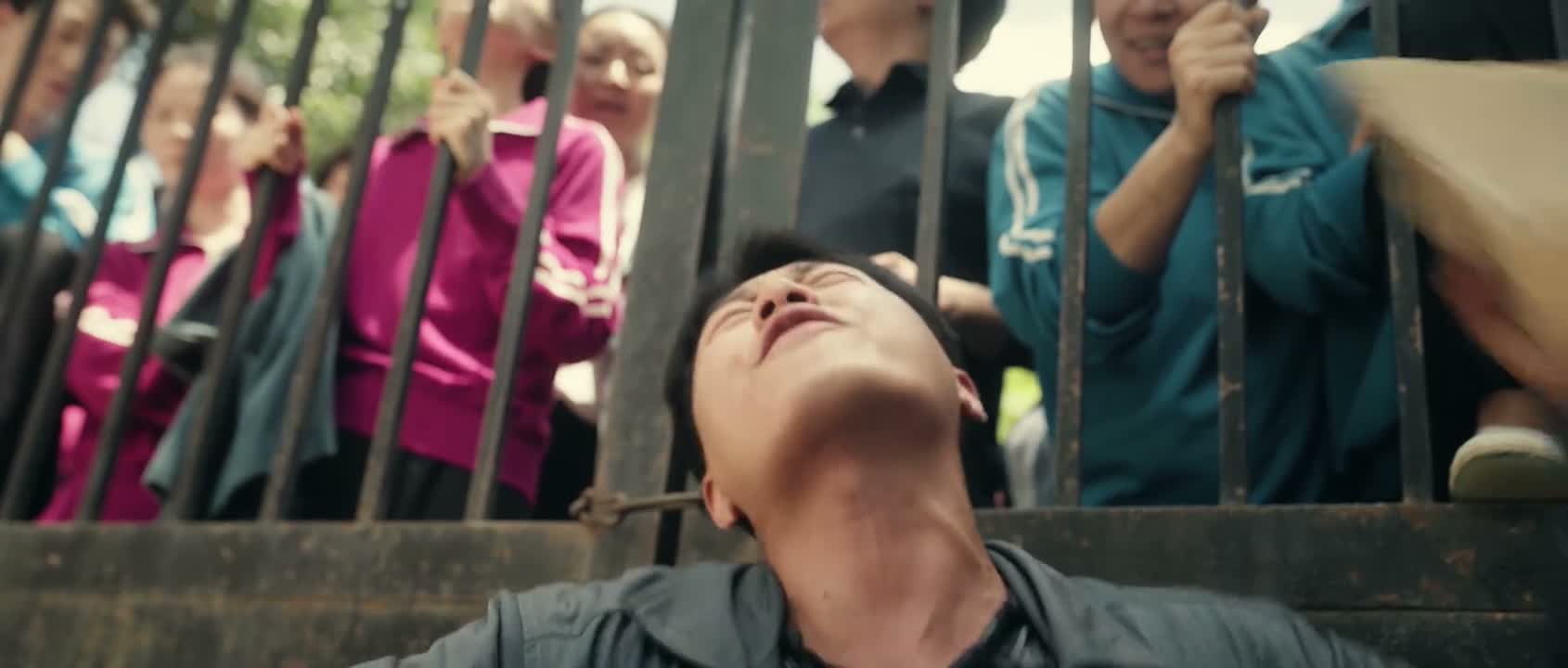
“who works herself to the bone!”

“I won't share a carriage with you anymore.”

“This pony is too disobedient.”
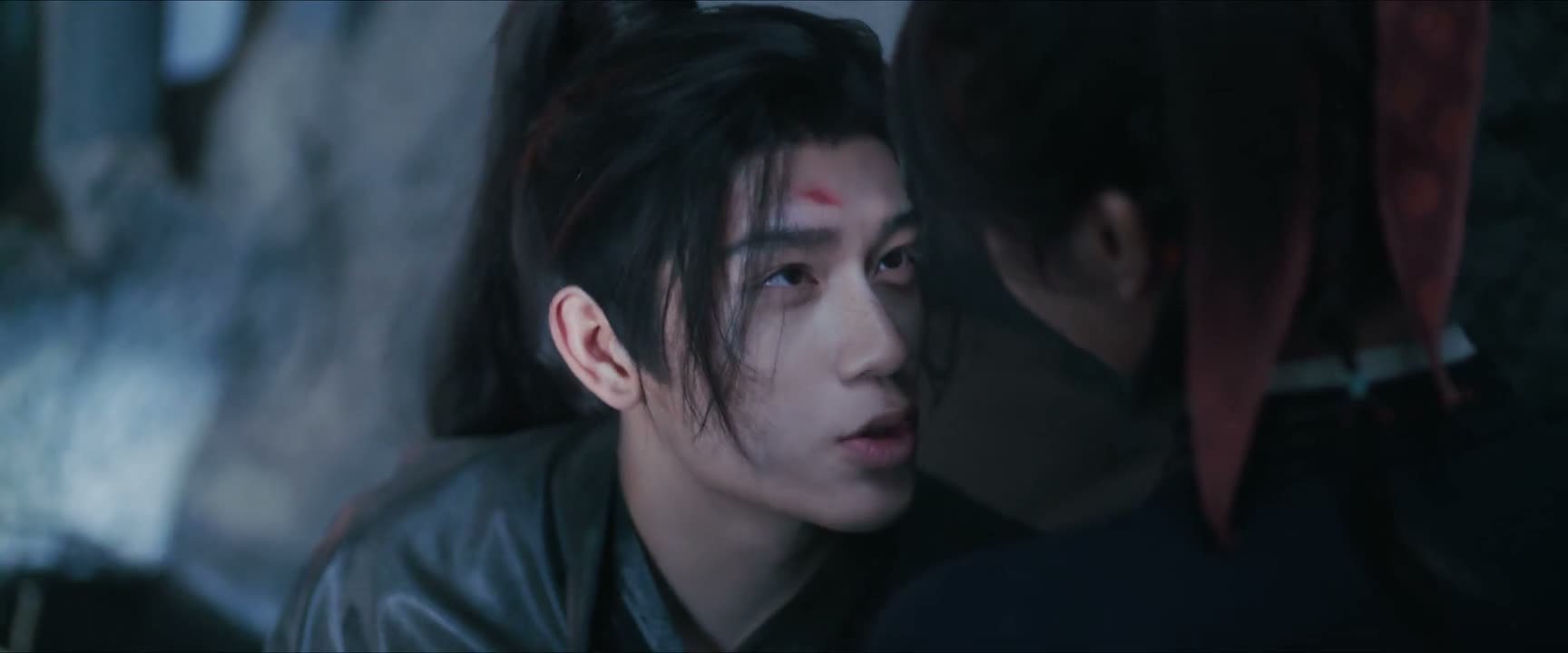
“When I forced her to ride in front of me,”