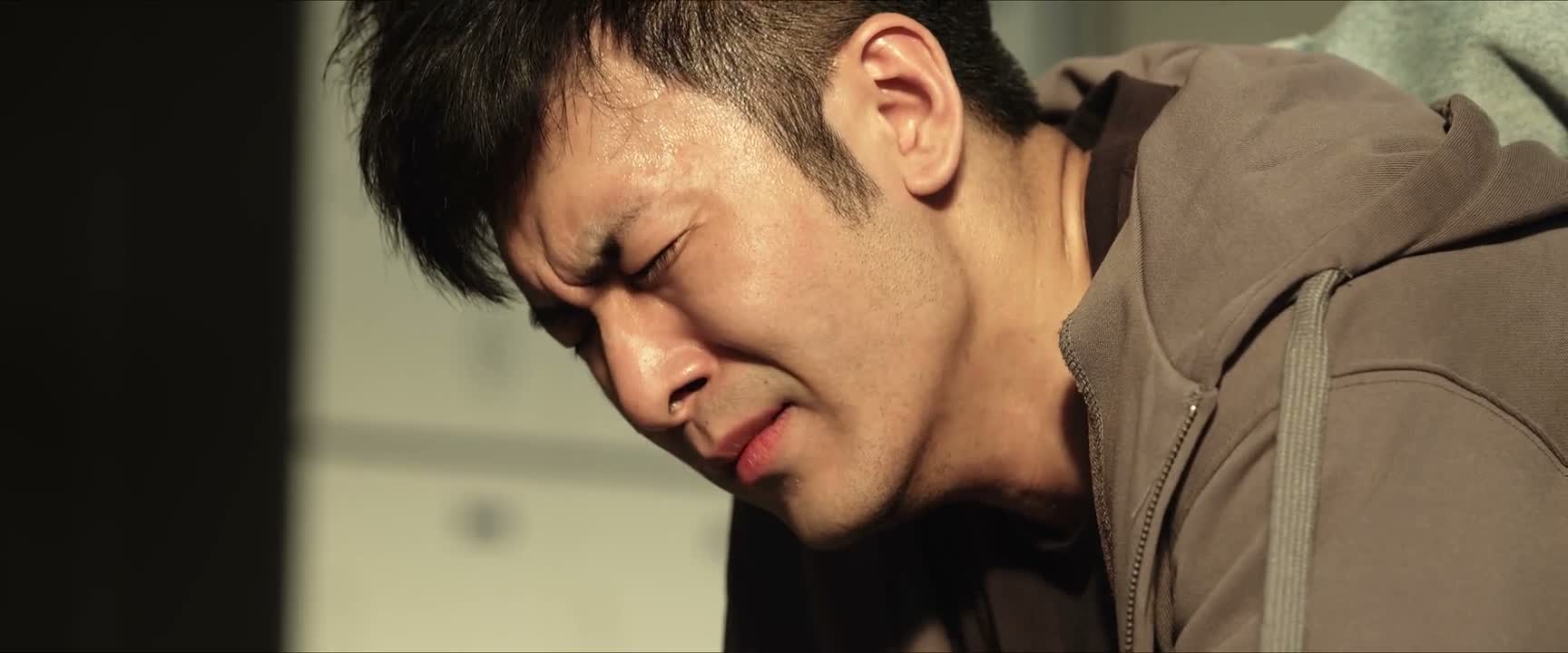
《Wonder Wall》 S1·E6 (06:46)
HSK 7
bù néng ràng wǒ ràng wǒ xiōng dì chī kuī
不能让我 让我兄弟吃亏
“I cannot let my own brother lose out.”
《Wonder Wall》
S1·E6
TIMECODE: 06:46
·
1080P MASTER AUDIO
THE DIALOGUE REEL
[-1] PREVIOUS TURN
wǒ zhè dāng dà gē de
我这当大哥的
“As your bro,”
bù néng ràng wǒ ràng wǒ xiōng dì chī kuī
CURRENT FOCUS
不能让 我 让我 兄弟 吃亏
“I cannot let my own brother lose out.”
[+1] FOLLOW-UP TURN
shì bú shì
是不是
“Right?”
Subtitles synced to millisecond timecode
Browse Show Clips →
Scene:
Social & Dating
Function:
DECLARING LOYALTY
Tone:
ASSERTIVE
Emotion:
PRIDE
WHAT THEY REALLY MEAN (PRAGMATIC SUBTEXT)
“I pride myself on taking care of my guys, so I will make sure you don't get the short end of the stick.”
💡 Cultural Insight: Yiqi (Code of Brotherhood)
In Chinese male camaraderie, invoking the role of 'big brother' (大哥) commits the speaker to a strong code of loyalty and chivalry (义气), meaning they must absorb costs to protect their 'brothers' (兄弟).
INTENT TAGS:
#brotherhood
#solidarity
#protection
#face_saving
#generosity
🧩
2 CHUNKS · 0 PARTICLES
LEARNING CHUNKS & PARTICLES
吃亏
SPOKEN CHUNK
to suffer a loss / to get the short end of the stick
An essential idiomatic verb used broadly in negotiations, social dynamics, and daily affairs to describe being disadvantaged.
当大哥的
SPOKEN CHUNK
being the big brother / acting as a senior figure
Used to invoke the social obligation and protective role expected of an elder brother or group leader.
🏮
3 EXPR · 2 GRAMMAR
VOCABULARY & EXPRESSIONS
COLLOQUIAL EXPRESSIONS:
CROSS-CINEMA CORPUS BOARD · PARALLEL SCENES
EXPLORE BY SEMANTIC SIMILARITY
Parallel Spoken Cinema Scenes (语义近邻切片)
《Wonder Wall》 S1·E6 (06:46) · Authentic Cinema Dialogue Corpus