孩子始终都不是父母的附属品
“Children are never the property of their parents.”
THE DIALOGUE REEL
“But as you can see, Wen Chengye is very determined.”
孩子始终都 不是 父母的附属品
“Children are never the property of their parents.”
他们应该有自己的权利 去选择人生目标
“They should have the right to choose their own life goals.”
“You need to respect his autonomy instead of treating him like your personal property.”
Modern Chinese discourse frequently challenges traditional patriarchal notions where children were viewed as extensions of the family rather than distinct individuals.
LEARNING CHUNKS & PARTICLES
always / from beginning to end
Use this structure to declare an unwavering state or universal truth.
appendage / accessory
Often used metaphorically to criticize relationships where one party treats another as an extension of themselves.
VOCABULARY & EXPRESSIONS
Parallel Spoken Cinema Scenes (语义近邻切片)

“instead of making her parents yield.”
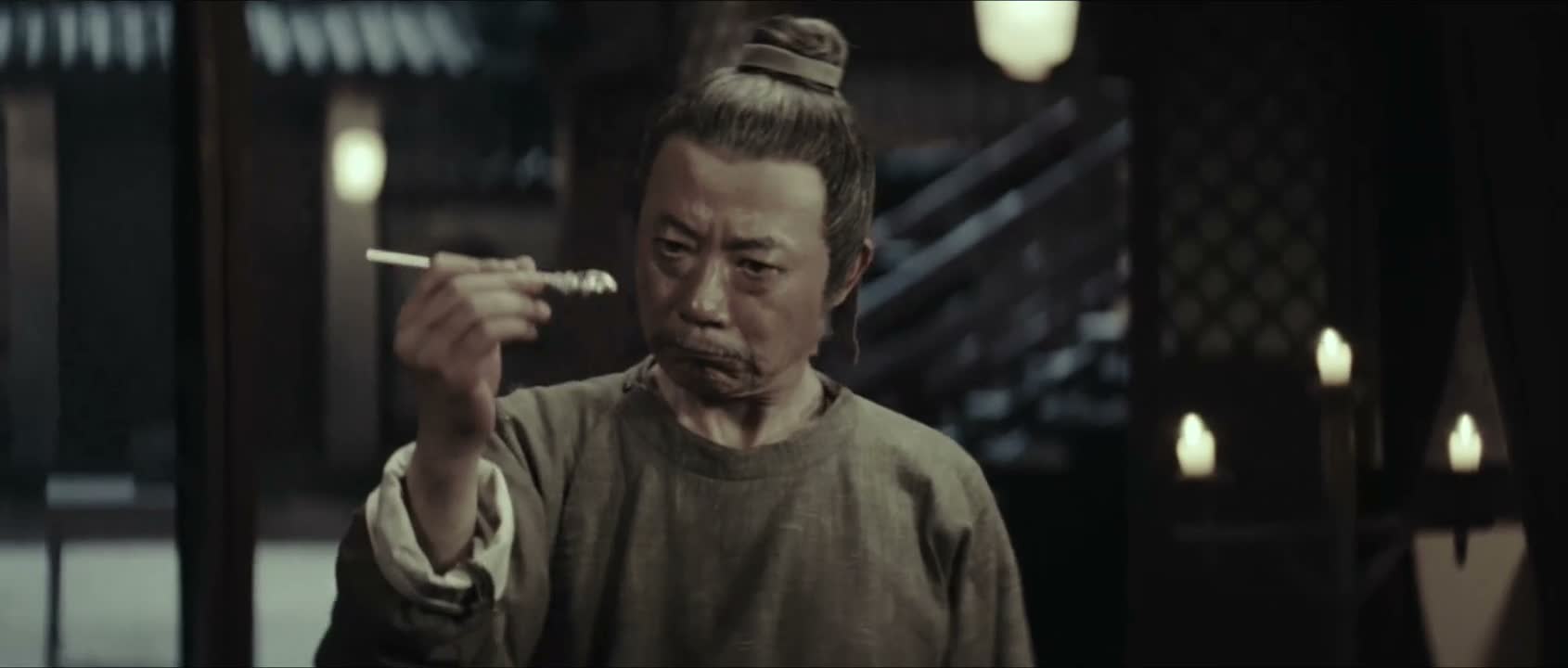
“I couldn't even protect my own child.”

“You can't even protect your own children.”

“Our child can't grow up without a father.”
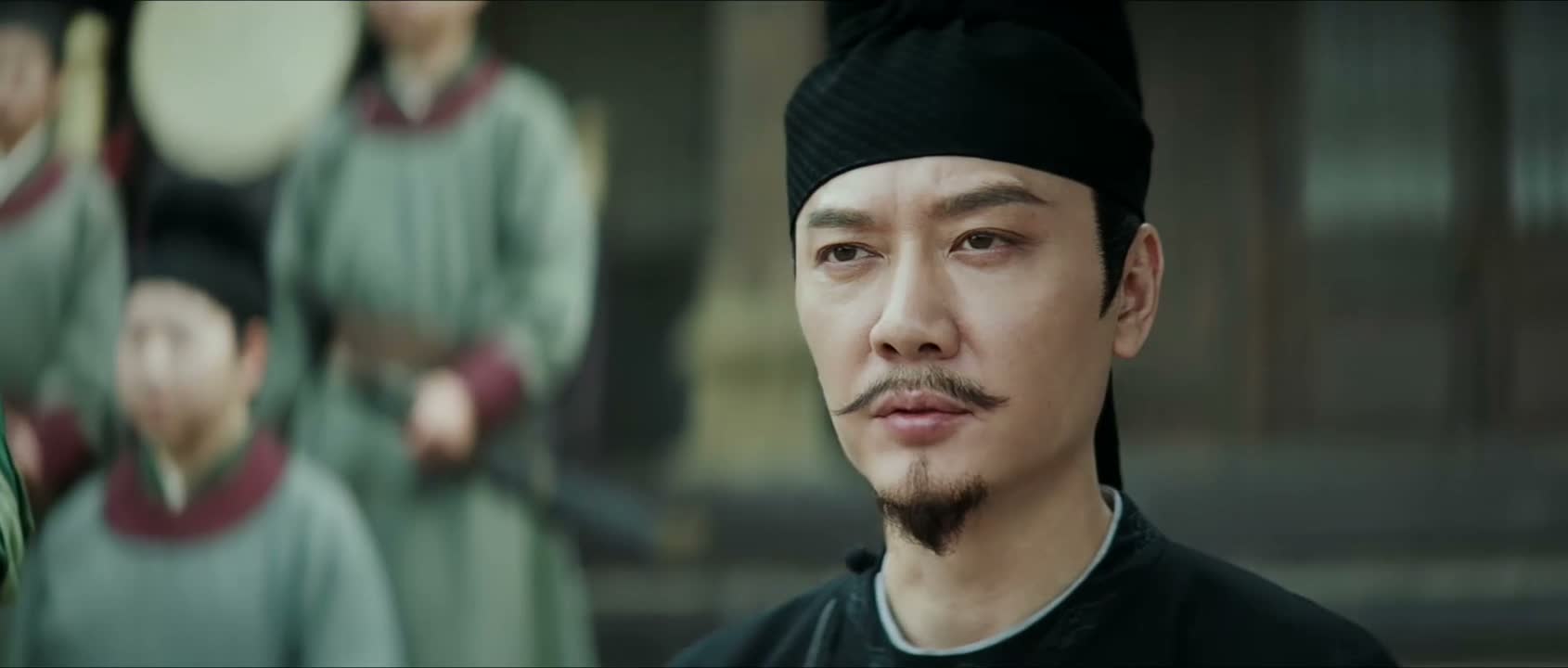
“your own child,”

“I couldn't even protect my own child.”