造成的吗 难道你没有份吗
“by me alone? Aren't you on the same team with me?”
THE DIALOGUE REEL
你不知道凌霄心里 有阴影啊 这阴影是我一个人
“You don't know it's always a nightmare for Ling Xiao, do you? Is it caused”
造成的吗 难道 你没有 份吗
“by me alone? Aren't you on the same team with me?”
当初是我病了
“I was sick then,”
“Do not pin this all on me; you are just as responsible as I am.”
Rhetorical questions using '难道...吗' are a classic rhetorical strategy in domestic conflicts to invert moral high ground and deflect accusations back to the opponent.
LEARNING CHUNKS & PARTICLES
could it be that...? / don't tell me...
An adverb used to introduce rhetorical questions to highlight obviousness, disbelief, or strong counter-accusation.
to have a share in / to be partly responsible
Commonly used in spoken Chinese to refer to sharing responsibility, guilt, or participation in an outcome.
Forms a rhetorical question that sharply challenges the listener rather than seeking genuine information.
VOCABULARY & EXPRESSIONS
Parallel Spoken Cinema Scenes (语义近邻切片)

“Stop teasing me. I already have Miao now, don't I?”

“Could it be him? That explains it! Explains what?”

“Are you my girl?”
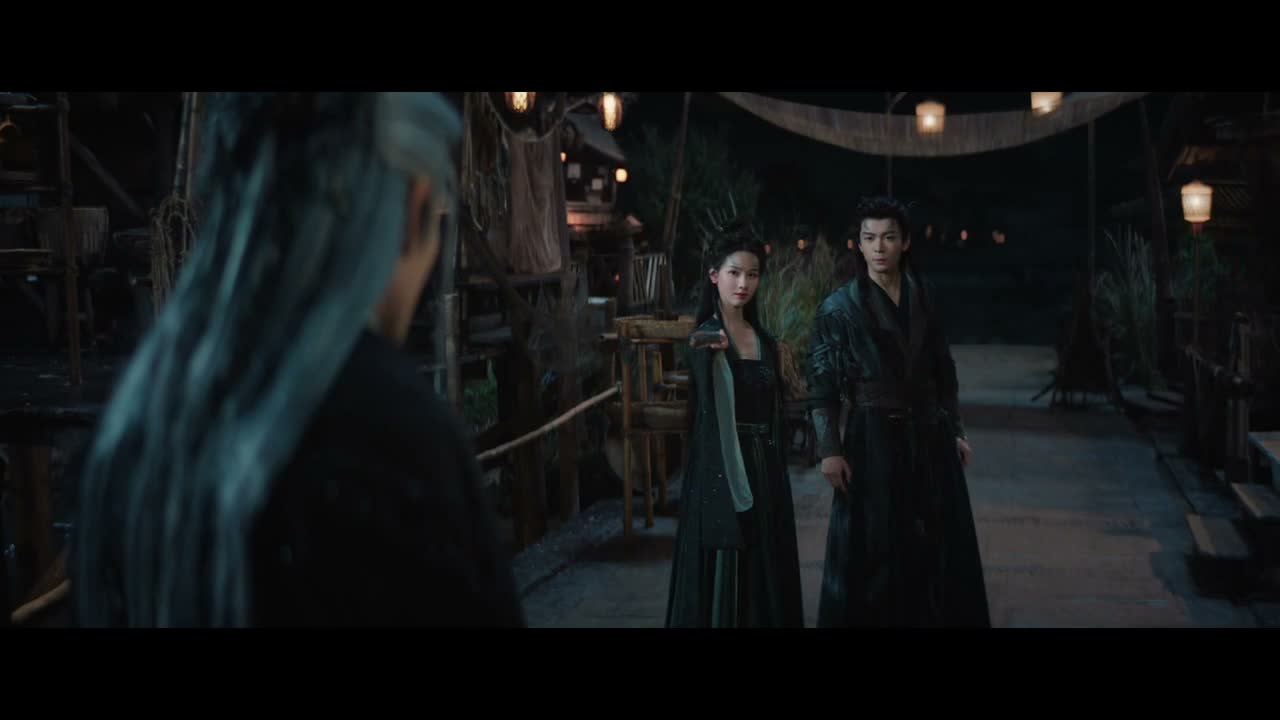
“Would you? No.”

“would be the same as admitting it, wouldn't it? No. At this point,”

“I was wrong and said sorry. What else? Still no.”