还好 没死
“I'm fine. I didn't die.”
THE DIALOGUE REEL
您的伤怎么样了
“How are your injuries?”
还好 没死
“I'm fine. I didn't die.”
命挺大
“You're quite lucky.”
“It hurts badly, but I am tough enough to survive, so don't make a fuss.”
In martial and wartime Chinese culture, men often brush off severe wounds with blunt humor like '没死' to project stoicism and composure under pressure.
LEARNING CHUNKS & PARTICLES
not bad; passably well; fortunately fine
Extremely common spoken response used to downplay difficulties or convey relief.
didn't die; still alive
Blunt spoken expression used to emphasize surviving an ordeal with dark humor.
VOCABULARY & EXPRESSIONS
Parallel Spoken Cinema Scenes (语义近邻切片)
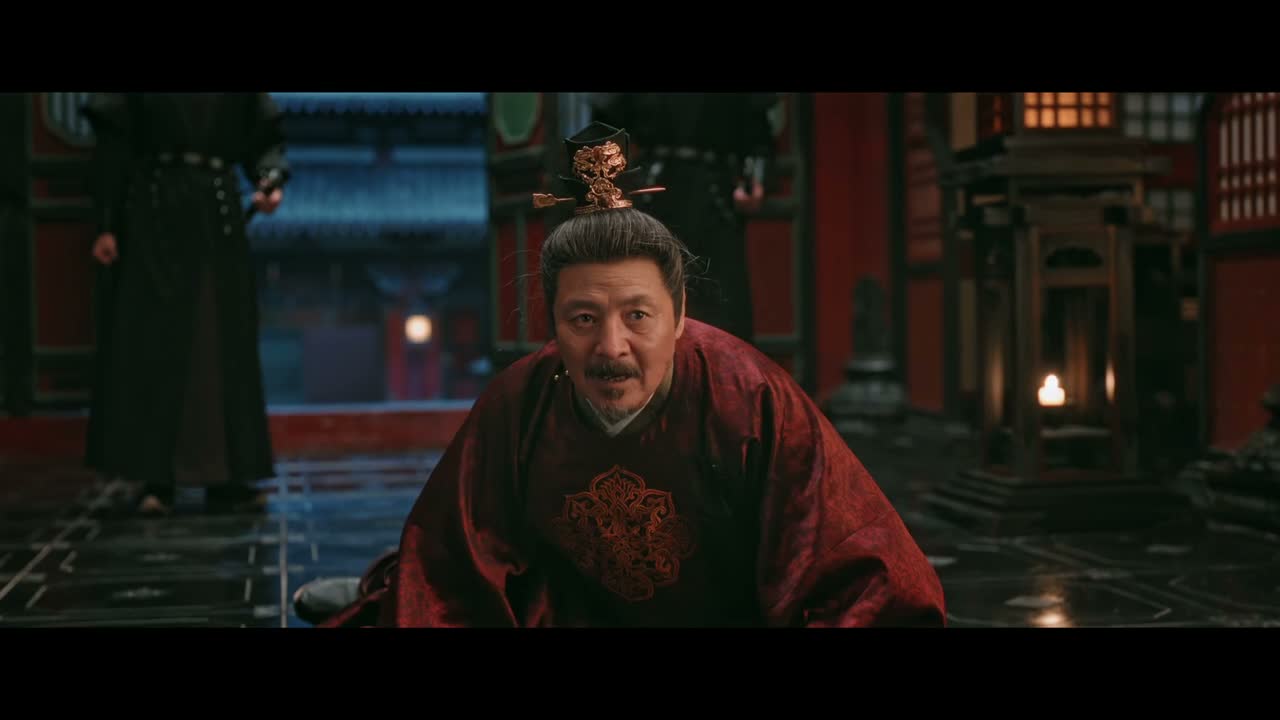
“you still couldn't die.”

“Is she okay now? If she were dying, could you save her?”

“died. Impossible.”
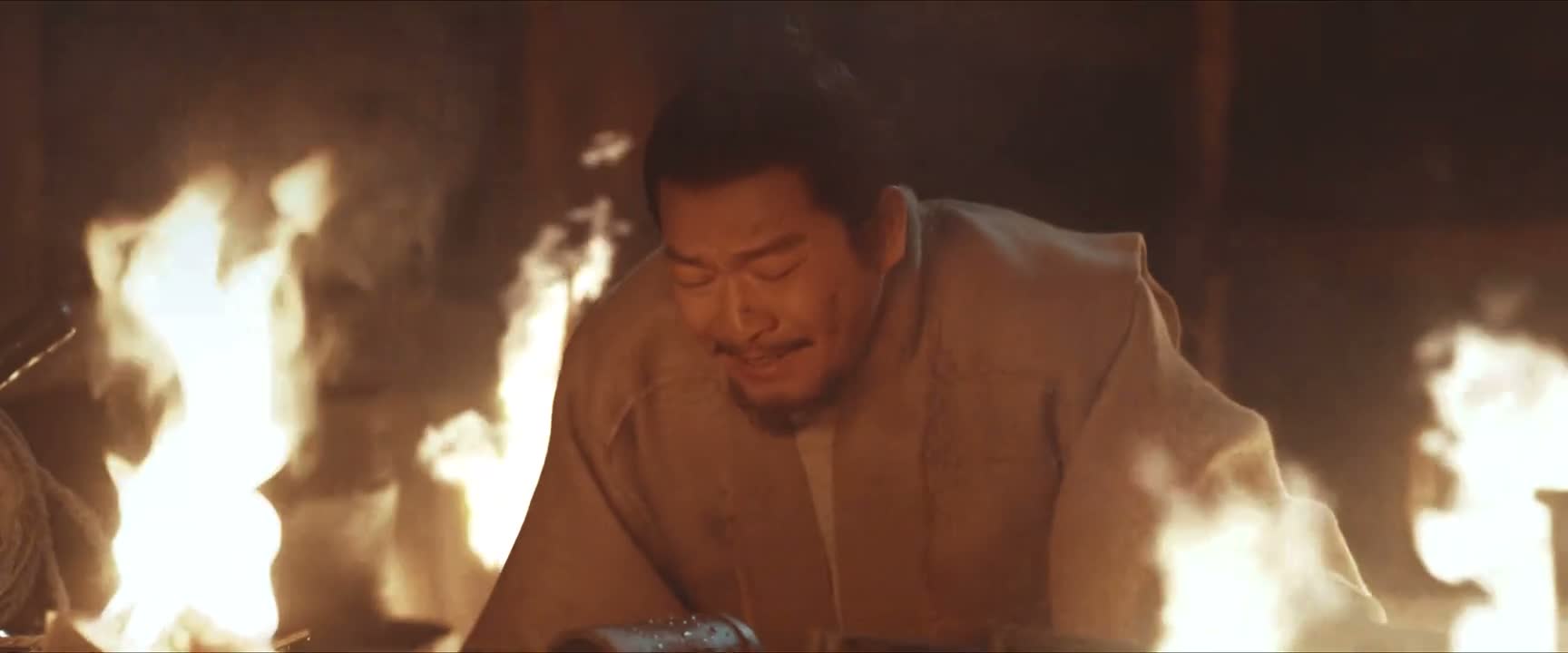
“It's hopeless.”

“Lucky us. Now we can save them.”

“wouldn't die so easily.”