都没有人陪我玩
“No one plays with me.”
THE DIALOGUE REEL
祯姐姐 和我玩骑大马吧 爹好久都没有回家了
“Zhen! Play horseback riding with me. Father hasn't been home for a long time.”
都 没有 人 陪我玩
“No one plays with me.”
“Okay, I'll play with you in a bit, alright? Okay.”
“I'm lonely, please give me some attention!”
The verb '陪' (to accompany) signifies emotional care and attentiveness in Chinese relationships, especially between siblings and family members.
LEARNING CHUNKS & PARTICLES
play with me; keep me company while playing
A very common everyday phrase used by children or close companions to request interactive time and company.
there is no one at all
The emphatic '都' before negative phrases stresses an absolute absence, often used when venting or complaining.
VOCABULARY & EXPRESSIONS
Parallel Spoken Cinema Scenes (语义近邻切片)

“I like playing outside, with no one telling me what to do,”
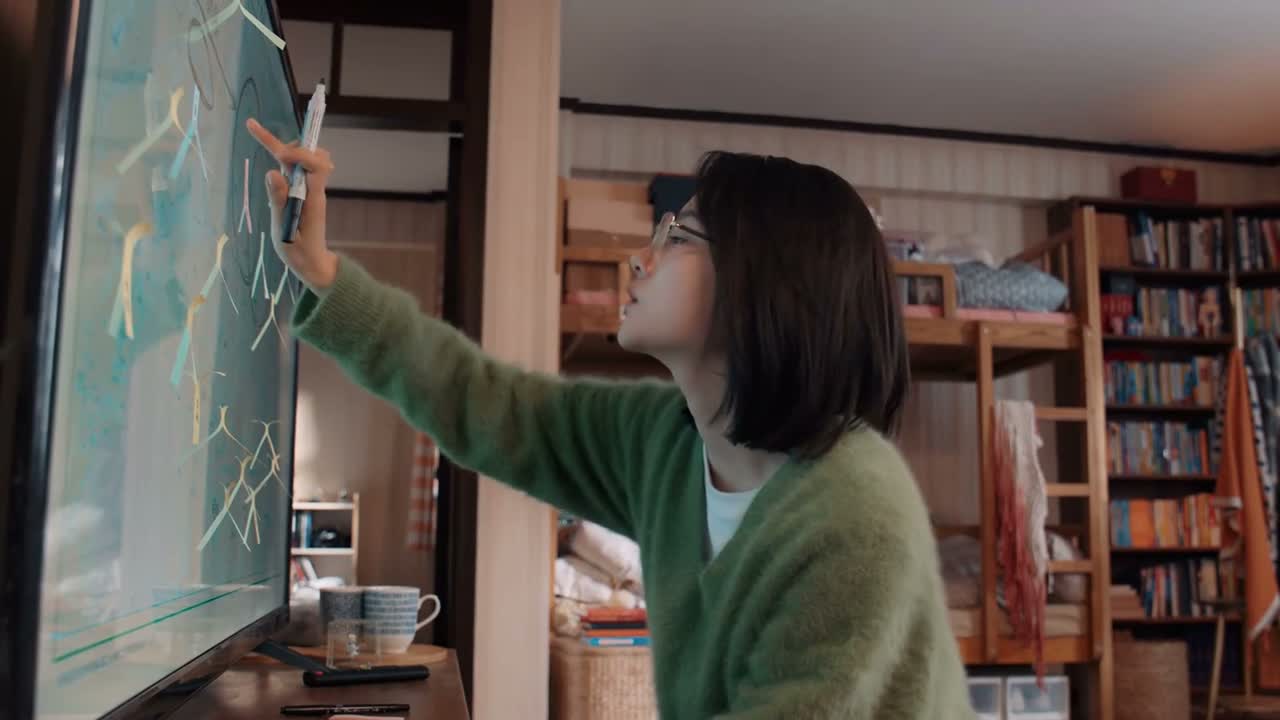
“No one was with them,”

“No one would play this, would they?”

“Thought you'd take me out as a playmate”

“There's no one else.”

“No one stood in my way anymore.”