MC
MandarinClips Cinema Corpus
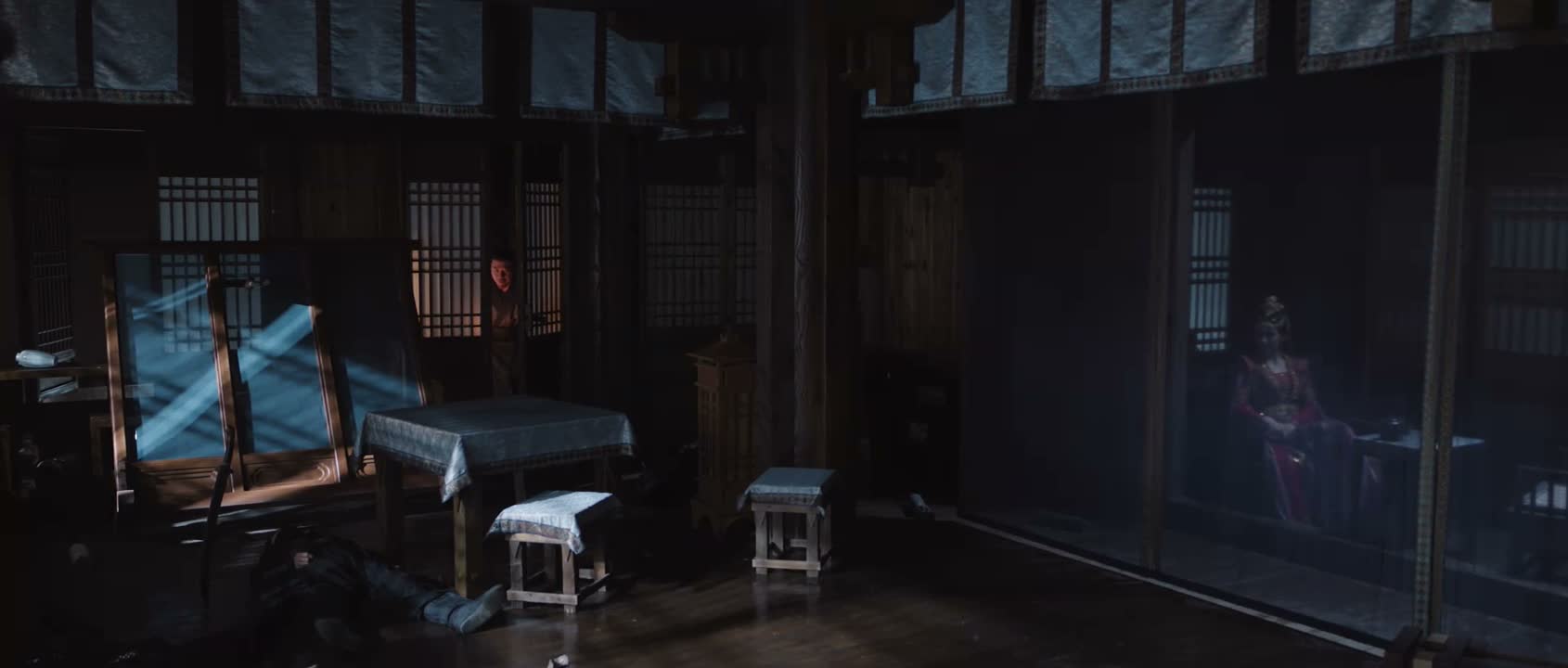
《The Heir》 S1·E19 (04:17) HSK 7
yā tou wǒ zhè ge zāo lǎo tóu zi dōu zhè me qiú nǐ le

丫头 我这个糟老头子都这么求你了

“Zhen, I, an old man, am begging you like this.”

《The Heir》 S1·E19
TIMECODE: 04:17 · 1080P MASTER AUDIO

THE DIALOGUE REEL

1+1+1 SPOKEN CONTINUITY
[-1] PREVIOUS TURN dōu pàn zhe nǐ néng huí qù ne

都盼着你能回去呢

“They all hope you can go back.”

yā tou wǒ zhè ge zāo lǎo tóu zi dōu zhè me qiú nǐ le CURRENT FOCUS

丫头 我 这个 糟老头子 都这么 求你了

“Zhen, I, an old man, am begging you like this.”

[+1] FOLLOW-UP TURN bāng bāng liù yé yé hǎo bù hǎo

“Can you help me?”

Subtitles synced to millisecond timecode Browse Show Clips →
Scene: Family & Home
Function: PLEADING
Tone: PLEADING
Emotion: DESPERATION
WHAT THEY REALLY MEAN (PRAGMATIC SUBTEXT)
“I'm humbling myself as an elder, so you really can't say no to me now.”
💡 Cultural Insight: Emotional Clout of Elders Lowering Status (降格下气)

In Chinese culture, elders normally command respect. When an elder deliberately debases themselves to beg a junior, it creates immense moral and emotional pressure on the junior to comply.

INTENT TAGS: #pleading #emotional_appeal #self_deprecation #persuasion
🧩

LEARNING CHUNKS & PARTICLES

3 CHUNKS · 1 PARTICLES
丫头 SPOKEN CHUNK

girl / lass

An intimate, affectionate form of address used by older generations toward young girls or younger female relatives.

糟老头子 SPOKEN CHUNK

cranky old man / useless old fellow

Self-deprecating term used by elderly men to lower their stature or evoke sympathy.

求你了 SPOKEN CHUNK

begging you / please

Used when making an urgent, earnest plea, carrying significant emotional weight when coming from an elder.

Modal Particle「了」 (le) CHANGE OF STATE

Marks the completion and current extremity of the state of begging.

🏮

VOCABULARY & EXPRESSIONS

3 EXPR · 0 GRAMMAR
CROSS-CINEMA CORPUS BOARD · PARALLEL SCENES

Parallel Spoken Cinema Scenes (语义近邻切片)

EXPLORE BY SEMANTIC SIMILARITY
《The Heir》 S1·E19 (04:17) · Authentic Cinema Dialogue Corpus