咱们李家除了你 我还能找谁呀
“In the Li family, besides you, who else can I find?”
THE DIALOGUE REEL
您为什么来找我呀
“Why did you come to me?”
咱们李家 除了你 我 还能找谁 呀
“In the Li family, besides you, who else can I find?”
爷爷 我还以为您终于看出来了
“Grandfather. I thought you finally realized”
“You are the only competent one in this entire family I can trust.”
Using '咱们' binds the interlocutor to shared ancestral responsibility, making a plea for help difficult to decline without losing filial face.
LEARNING CHUNKS & PARTICLES
we / our (inclusive)
Colloquial northern pronoun establishing an inclusive, intimate bond between speaker and listener.
besides..., who/what else could...
A classic rhetorical pattern emphasizing that the mentioned option is the only feasible choice.
Softens the rhetorical question into a warm, affectionate, and familial inquiry rather than a sharp interrogation.
VOCABULARY & EXPRESSIONS
Parallel Spoken Cinema Scenes (语义近邻切片)

“What has years of loyalty brought”

“The same goes for Dang Yu. She has too many side hustles.”

“Our Li family can lose anything,”
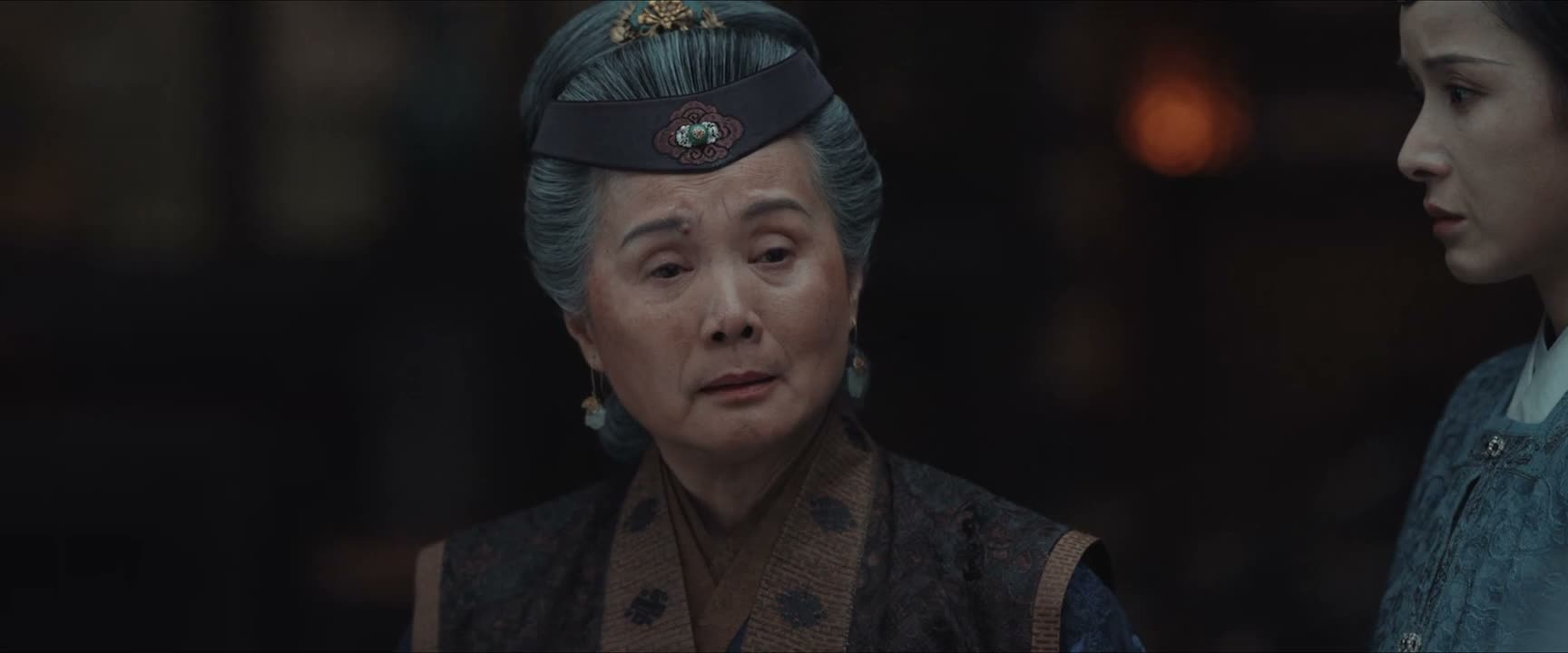
“what else will be left for us?”

“If this gets out, where will the Li family stand?”

“Who is slandering our Li family behind this,”

“Sir, what law did our Li family break? Why are you arresting us?”

“The Li family took so much from us,”