说什么呢 老爹 应该的呀
“What are you talking about, Daddy? It's our duty.”
THE DIALOGUE REEL
“you can take the whole situation into account.”
说什么呢 老爹 应该的 呀
“What are you talking about, Daddy? It's our duty.”
既然这么说了
“Since you said so,”
“You don't need to thank me; my loyalty and service to you are unconditional.”
In Chinese hierarchical relationships, accepting praise directly appears arrogant; deflecting it with 'it is only my duty' signals proper humility and loyalty.
LEARNING CHUNKS & PARTICLES
what are you talking about; don't mention it
A common spoken formula used to graciously downplay praise, gratitude, or apologies from others.
it's the least I could do; it's my duty
Standard polite response to praise or gratitude, expressing that doing the favor was a natural obligation.
Softens the rhetorical objection, making the response sound affectionately deferential.
Adds warmth, lightness, and enthusiasm to reassure the elder.
VOCABULARY & EXPRESSIONS
Parallel Spoken Cinema Scenes (语义近邻切片)

“What are you talking about?”

“What are you saying? How could the chief be that kind of person?”

“What are you saying? The neighbors are all here. Aren't you embarrassed?”
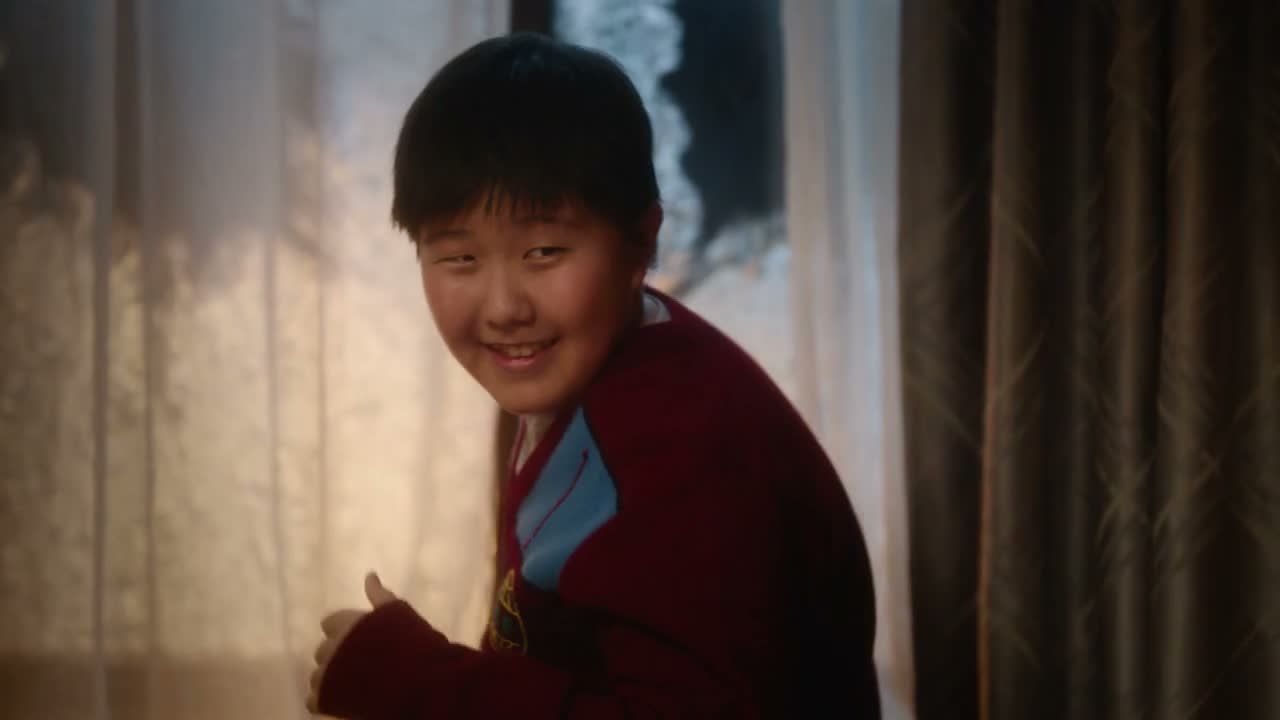
“Dad, what were you two talking about?”

“No wonder!”

“How to put it? When I was a kid,”