是你先叫妈的好吗
“You're the one who called me "mom", okay?”
THE DIALOGUE REEL
“Trying to scare me and taking advantage of me.”
是你先叫妈的 好吗
“You're the one who called me "mom", okay?”
“Why are you sitting here in the dark so late at night?”
“Don't blame me for taking advantage of you when you made the blunder first.”
In Chinese culture, being addressed as an elder relative (like 'Mom') confers hierarchical dominance, so falsely claiming or accepting such a title is playfully perceived as 'taking unfair advantage' (占便宜).
LEARNING CHUNKS & PARTICLES
you were the one who did... first, okay?
A defensive rhetorical pattern used to shift blame back onto the accuser.
take advantage of someone / gain an unfair benefit
Frequently refers to taking undue social, linguistic, or seniority advantage in colloquial contexts.
Combined with '好' (好吗) at the end of a statement, it serves as an impatient rhetorical check demanding acknowledgment.
VOCABULARY & EXPRESSIONS
Parallel Spoken Cinema Scenes (语义近邻切片)
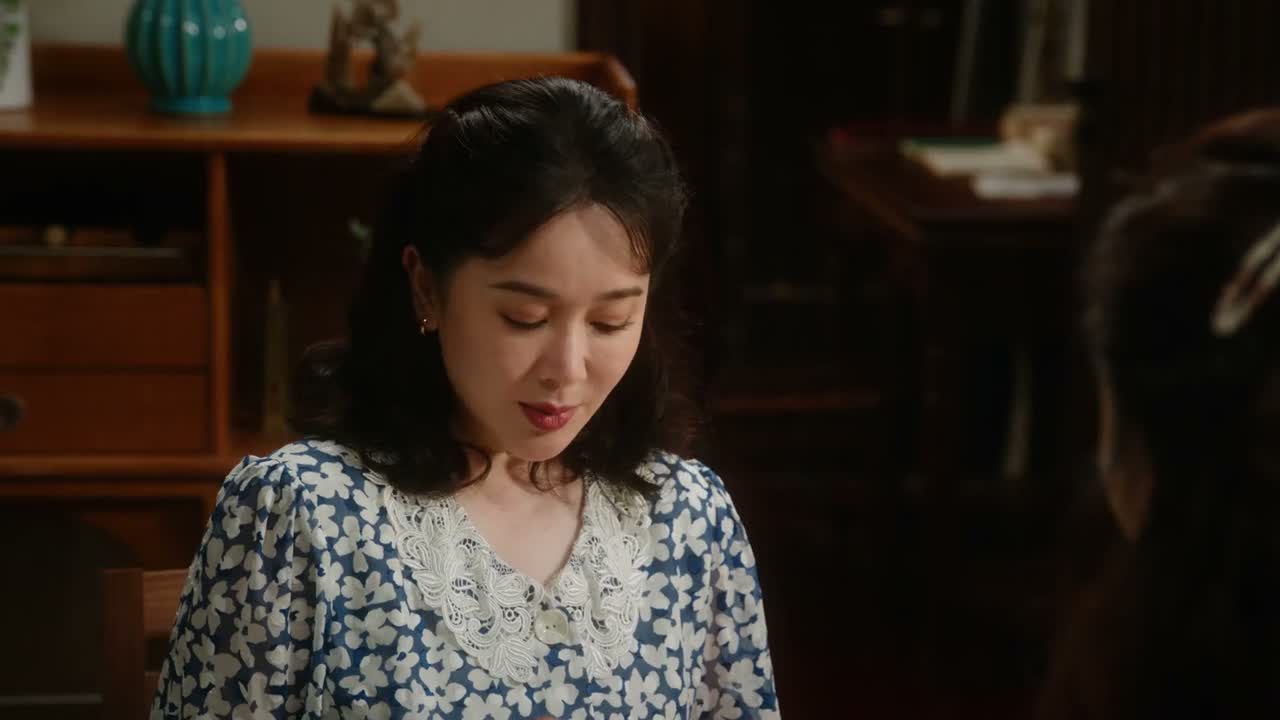
“Tell your mom not to go to any trouble.”

“Which is your mom? The one sitting over there.”

“Yep. That's what a mother should do.”
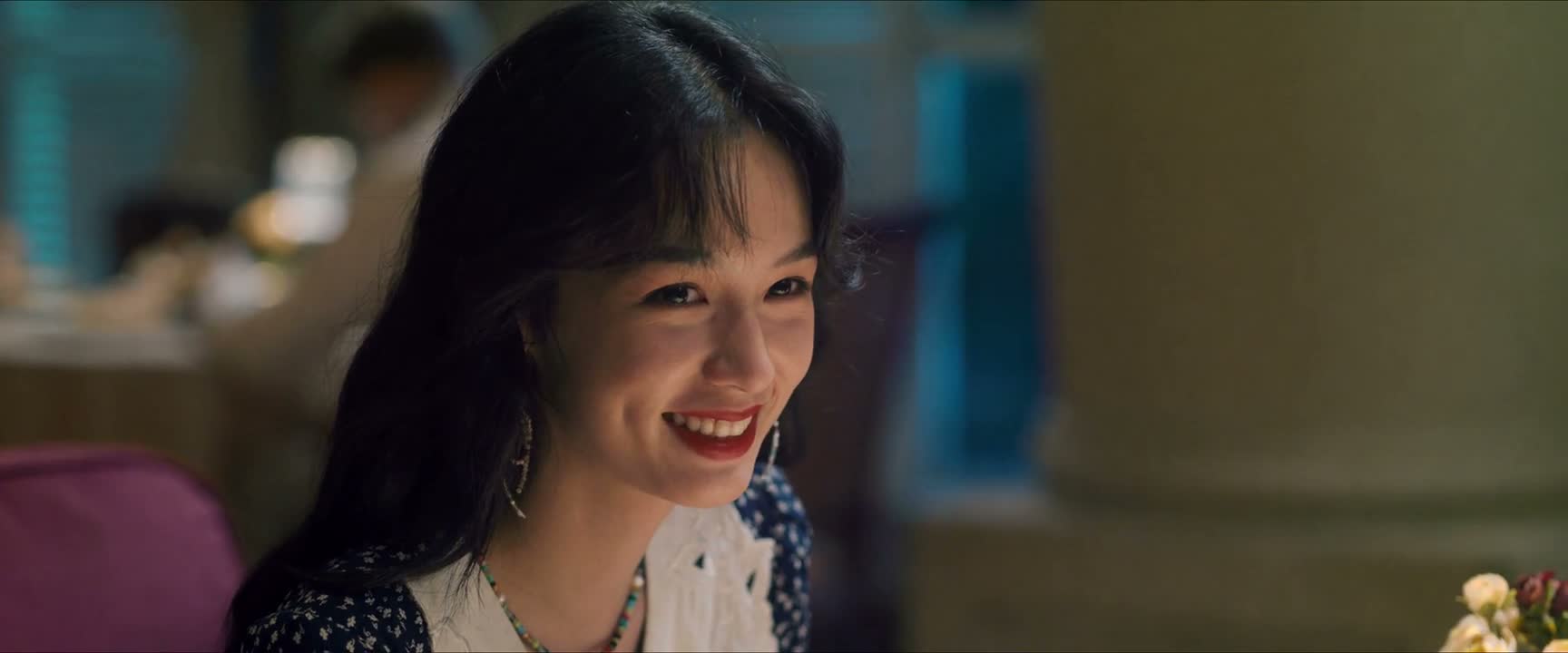
“Your mom uses them better than I do.”
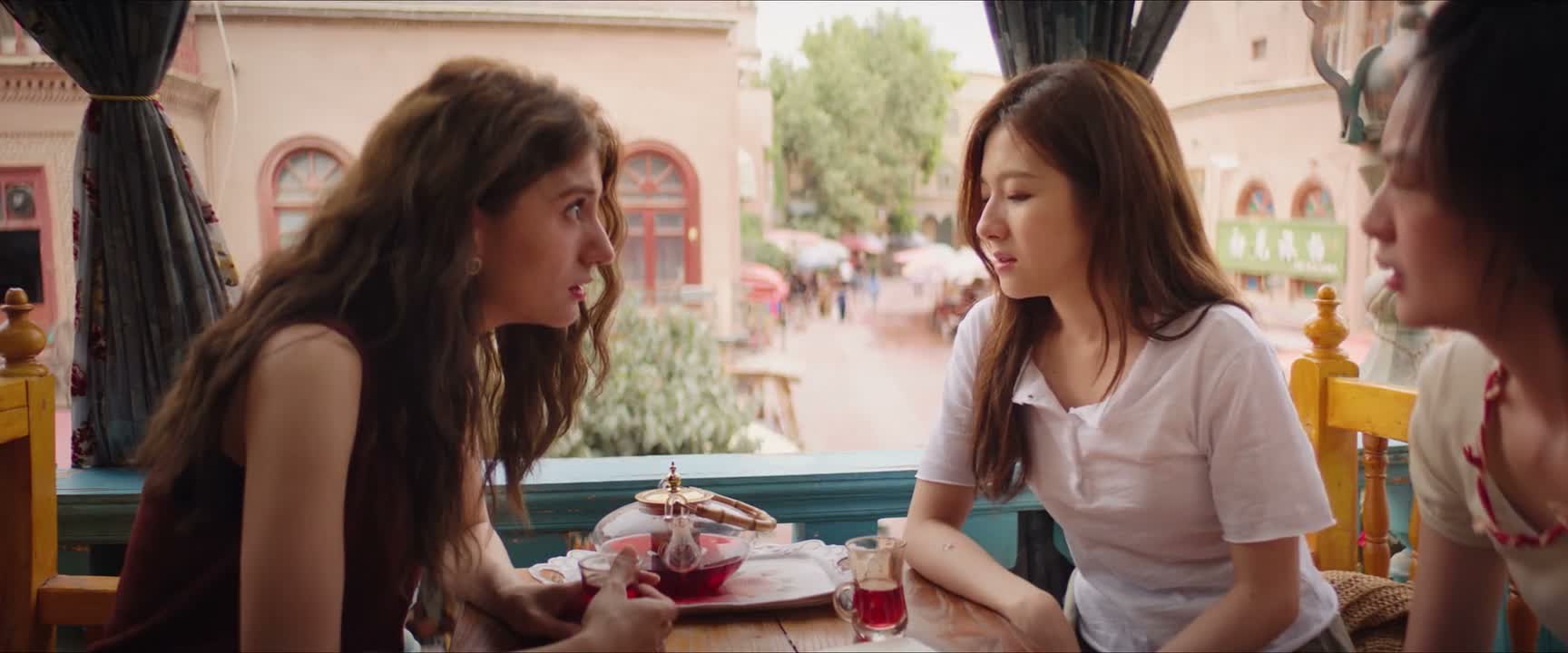
“Are you ready to be a mother?”
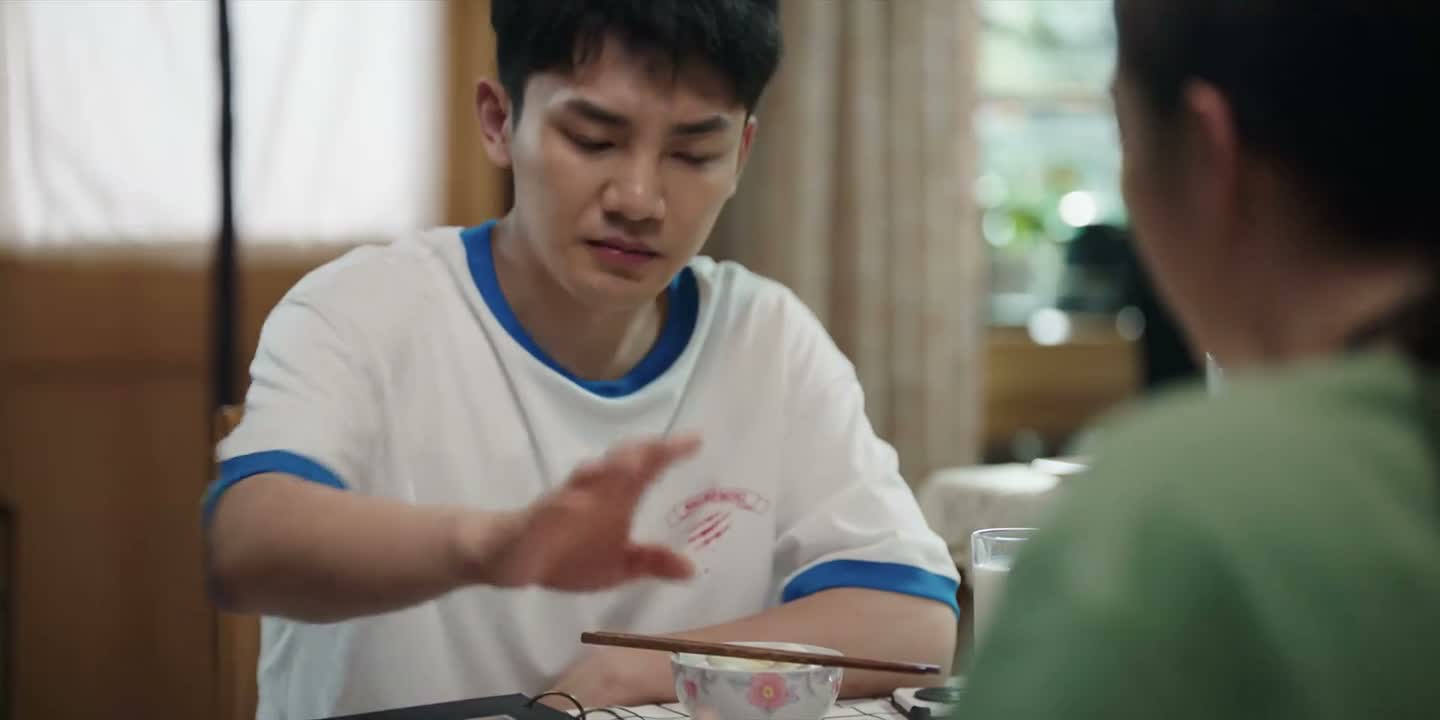
“Mom, Mom, Mom, please don't say that.”