MC
MandarinClips Cinema Corpus
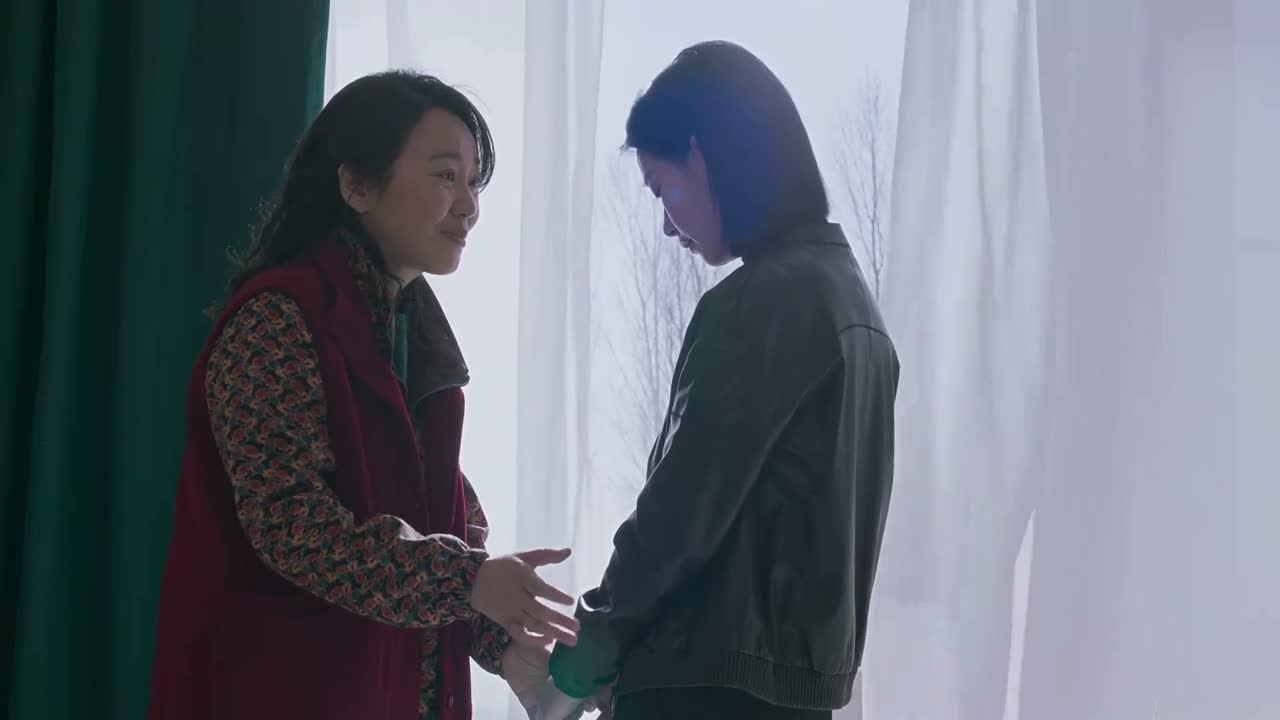
《The Truth》 S1·E1 (25:50) HSK 4
yīng yīng nǐ yào shì bù xiǎng shuō zán men jiù huí fáng jiān

瑛瑛 你要是不想说 咱们就回房间

“Ying, if you don't want to talk, you can go back to your room.”

《The Truth》 S1·E1
TIMECODE: 25:50 · 1080P MASTER AUDIO

THE DIALOGUE REEL

1+1+1 SPOKEN CONTINUITY
[-1] PREVIOUS TURN ràng wǒ gēn jǐng chá liáo liáo ba

“Let me talk to the police.”

yīng yīng nǐ yào shì bù xiǎng shuō zán men jiù huí fáng jiān CURRENT FOCUS

瑛瑛 你要是 不想说 咱们就 回房间

“Ying, if you don't want to talk, you can go back to your room.”

[+1] FOLLOW-UP TURN mā mā zài zhè ér nǐ shén me dōu bié pà

妈妈在这儿你什么都别怕

“I'm here. You have nothing to fear.”

Subtitles synced to millisecond timecode Browse Show Clips →
Scene: Family & Home
Function: COMFORTING
Tone: GENTLE
Emotion: PROTECTIVE
WHAT THEY REALLY MEAN (PRAGMATIC SUBTEXT)
“You don't have to force yourself to talk to anyone; I will protect you and get you out of this situation.”
💡 Cultural Insight: Maternal Protection and Family Sanctuary

Using inclusive pronouns like '咱们' (we/us) and prioritizing the child's emotional safety over external obligations highlights the strong protective instinct of Chinese parents against stressful external inquiries.

INTENT TAGS: #protective #comforting #offering_an_exit #reassurance
🧩

LEARNING CHUNKS & PARTICLES

3 CHUNKS · 0 PARTICLES
要是 SPOKEN CHUNK

if / in case

A common conversational conditional marker, often paired with '就' in spoken discourse.

不想说 SPOKEN CHUNK

do not want to talk / speak

Used to express hesitation, reluctance, or refusal to disclose information.

咱们 SPOKEN CHUNK

we / us (inclusive)

Emphasizes closeness and solidarity between the speaker and the listener.
🏮

VOCABULARY & EXPRESSIONS

4 EXPR · 1 GRAMMAR
CROSS-CINEMA CORPUS BOARD · PARALLEL SCENES

Parallel Spoken Cinema Scenes (语义近邻切片)

EXPLORE BY SEMANTIC SIMILARITY
《The Truth》 S1·E1 (25:50) · Authentic Cinema Dialogue Corpus