放开我 弄疼我了你
“Let me go! You're hurting me!”
THE DIALOGUE REEL
元宝 回来 元宝
“-Let go of my mother! -Yuanbao! Come back! Yuanbao!”
放开我 弄疼我了 你
“Let me go! You're hurting me!”
不要
“No!”
Direct spoken expression in this communicative setting.
Placing the subject pronoun '你' at the end ('弄疼我了你') is a natural spoken Chinese feature that emphasizes emotional blame and urgency.
LEARNING CHUNKS & PARTICLES
let go of me / release me
Standard imperative used when demanding that someone unhand you immediately.
you hurt me / you're causing me pain
Used to protest rough handling or physical discomfort caused by another person.
Marks the change of state to experiencing physical pain.
VOCABULARY & EXPRESSIONS
Parallel Spoken Cinema Scenes (语义近邻切片)

“Let go of me! Why do I feel like you're afraid that yourself... Enough. Stop it!”

“Let go of me! Say it to me again! Useless! You are useless!”
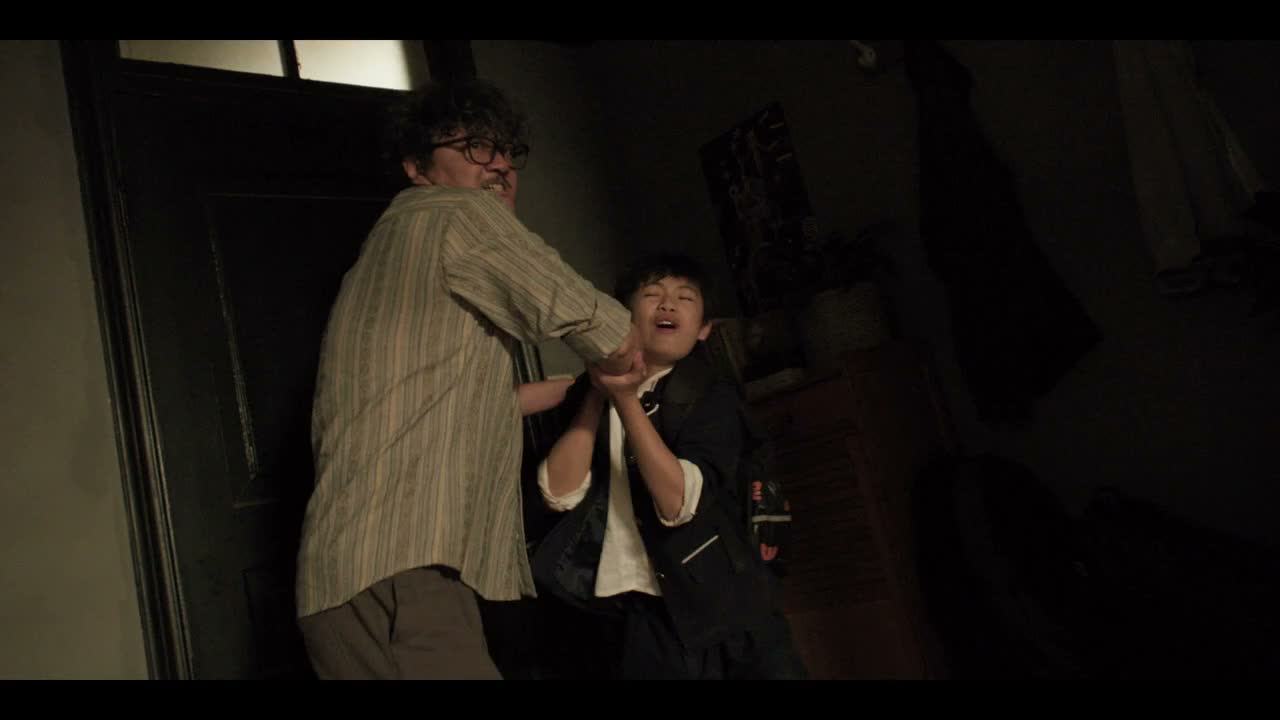
“Let go of me! You bad guy!”

“Let me go! Where are you taking me?”
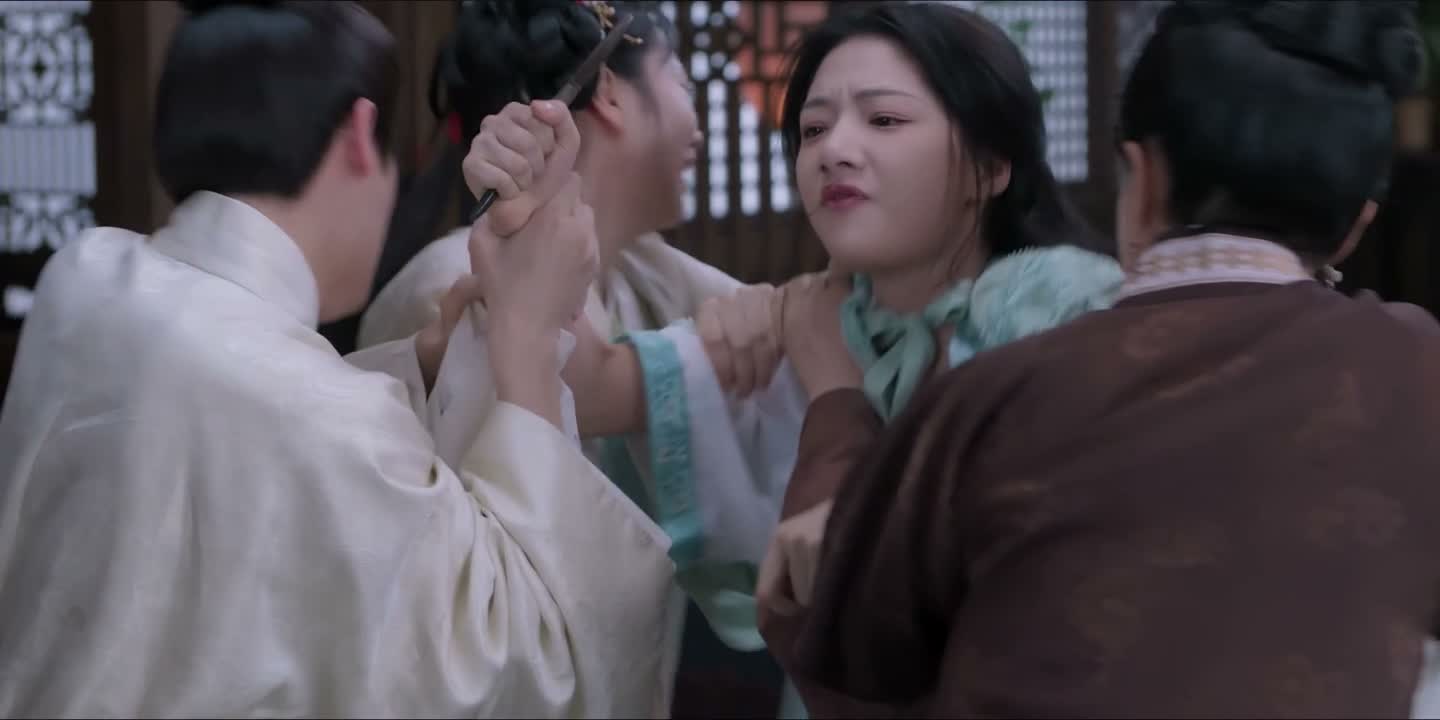
“Let me go! My Lady.”

“Let go! Let go!”