MC
MandarinClips Cinema Corpus
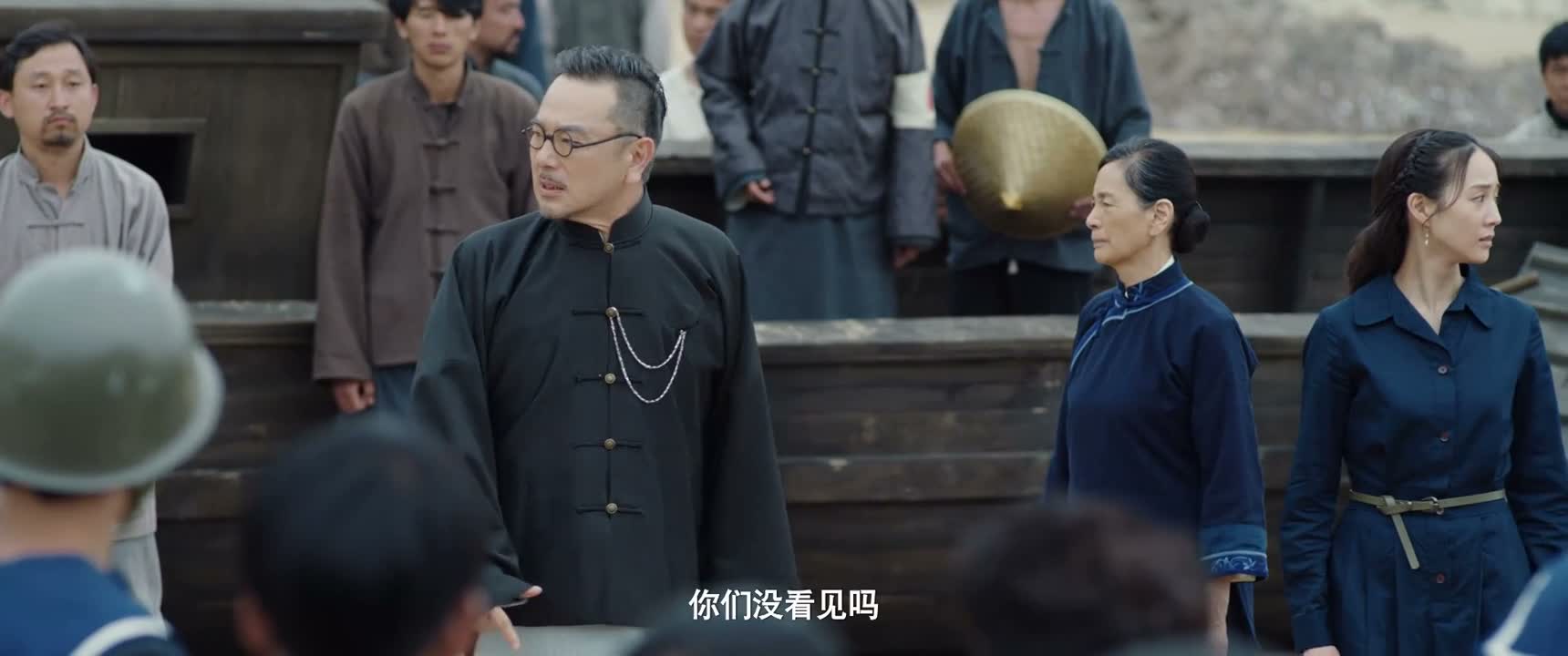
《Pursuit of Jade》 S1·E38 (28:53) HSK 7
nǐ men suǒ yǒu rén yǒu qīn yǎn suǒ jiàn ma

你们所有人有亲眼所见吗

“Did any of you see it with your own eyes?”

《Pursuit of Jade》 S1·E38
TIMECODE: 28:53 · 1080P MASTER AUDIO

THE DIALOGUE REEL

1+1+1 SPOKEN CONTINUITY
[-1] PREVIOUS TURN nǐ zhù kǒu

你住口

“Shut up!”

nǐ men suǒ yǒu rén yǒu qīn yǎn suǒ jiàn ma CURRENT FOCUS

你们 所有人 有亲 眼所见吗

“Did any of you see it with your own eyes?”

[+1] FOLLOW-UP TURN nǐ men què rèn nǐ men suǒ wén suǒ jiàn

“Are you sure what you heard and saw”

Subtitles synced to millisecond timecode Browse Show Clips →
Scene: Crisis & Conflict
Function: CHALLENGING CREDIBILITY
Tone: CONFRONTATIONAL
Emotion: INDIGNATION
WHAT THEY REALLY MEAN (PRAGMATIC SUBTEXT)
“None of you actually saw anything, so stop repeating lies as if they were facts.”
💡 Cultural Insight: Questioning Mob Mentality

In Chinese social and historical narratives, public condemnation is often driven by crowd behavior; forcing individuals to confirm eyewitness truth is a standard tactic to break collective scapegoating.

INTENT TAGS: #challenging #demanding_proof #defiance #interrogation
🧩

LEARNING CHUNKS & PARTICLES

2 CHUNKS · 1 PARTICLES
亲眼所见 SPOKEN CHUNK

to see with one's own eyes

A formal four-character idiom frequently used in spoken arguments to demand proof or confirm personal observation.

所有人 SPOKEN CHUNK

everyone / all people

Used to emphasize a collective group, often in interrogative or hyperbolic assertions.

Modal Particle「吗」 (ma) CHANGE OF STATE

Marks a direct yes-no question that carries a strong rhetorical and accusatory edge in this context.

🏮

VOCABULARY & EXPRESSIONS

2 EXPR · 0 GRAMMAR
CROSS-CINEMA CORPUS BOARD · PARALLEL SCENES

Parallel Spoken Cinema Scenes (语义近邻切片)

EXPLORE BY SEMANTIC SIMILARITY
《Pursuit of Jade》 S1·E38 (28:53) · Authentic Cinema Dialogue Corpus