乖 快去吧 你哄驴呢
“Be good. Off you go. Are you talking to a donkey?”
THE DIALOGUE REEL
“You're tossing me aside once you've gotten what you wanted.”
乖 快去吧 你 哄驴呢
“Be good. Off you go. Are you talking to a donkey?”
“But I really should go check in with them. Just stay here and don't move.”
“Don't treat me like an animal you can just butter up and order around!”
Following the idiom '卸磨杀驴' (killing the donkey once the grinding is done), teasing someone by comparing their stubbornness or treatment to a donkey reflects playful vernacular intimacy without real offense.
LEARNING CHUNKS & PARTICLES
be good; obedient
Often used affectionately toward children, pets, or significant others to gently coax or soothe them.
to coax; to humor; to pacify
Crucial verb describing soothing someone who is upset or reluctant through sweet words or gentle persuasion.
Softens the imperative '快去' (hurry and go), turning a direct command into an encouraging suggestion.
Marks a rhetorical question with an incredulous, teasing, and lightly indignant tone.
VOCABULARY & EXPRESSIONS
Parallel Spoken Cinema Scenes (语义近邻切片)

“Don't smoke. Hurry. You go. Off you go.”

“Go ahead. Business first.”

“Go, go, go quickly. Don't delay things. You guys sit here.”
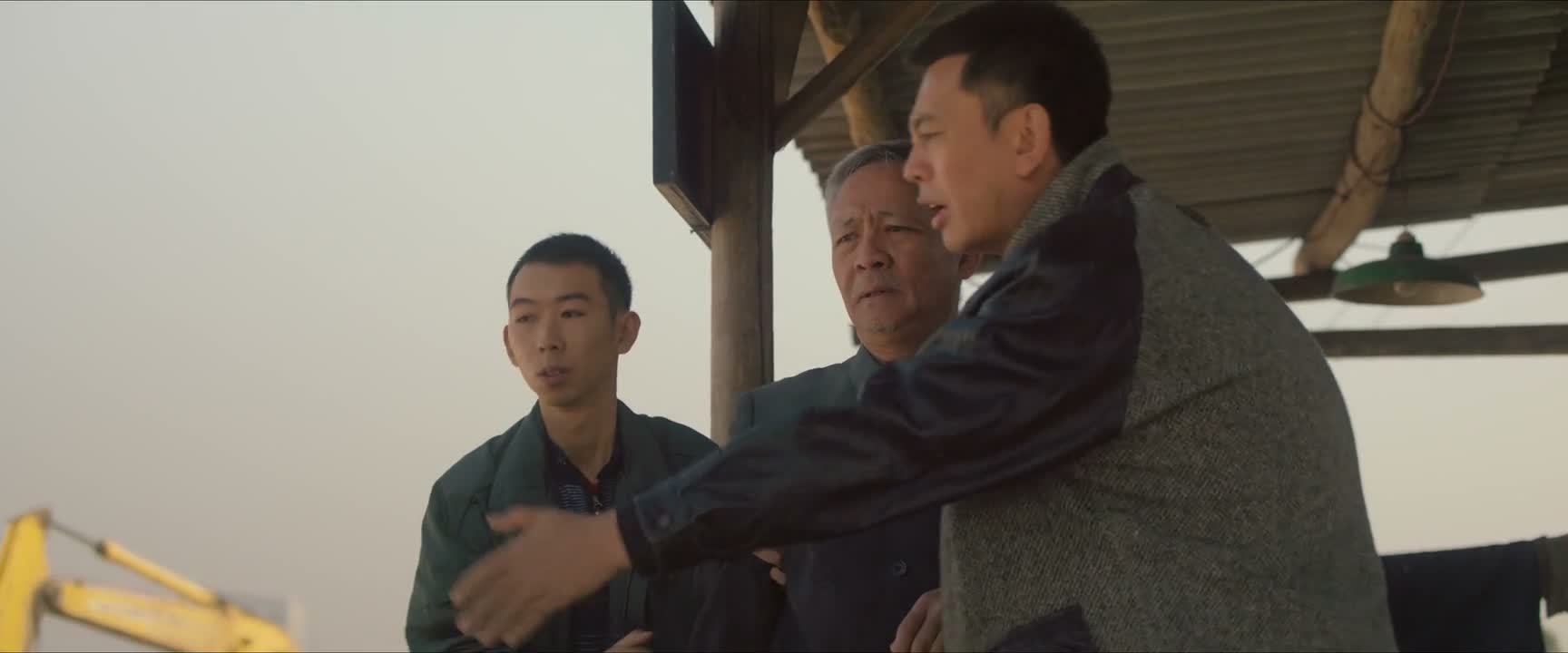
“Come on, come on! Get on. Let them wheel you back.”

“Go back quickly. I also need to go back now. Hurry up.”

“Hurry up. Hurry up.”