快去吧
kuài qù baCommon spoken expression used by native Chinese speakers in daily life.
[Scene: 其他场景]
(7 clips) 00:03
(等会 跟你静姐打个招呼 王萍阿姨) ── Previous context
“You two here for school? You're late. Hurry up. Go on. Bye.”
 00:02
 00:02
(晓兰 电话) ── Previous context
“It's at the village committee. Go now. Okay. Thank you, Auntie.”
 00:02
 00:03
(听姐姐话 别乱跑 谢谢您 秦律师 没事没事) ── Previous context
“We'll be back soon. When Xiezhi returns, I will ask him to come find you. Go on, hurry.”
 00:02
(对 再忙也别忘了学习) ── Previous context
“Go back quickly. I also need to go back now. Hurry up.”
 00:02
[Scene: 社交聚会]
(3 clips) 00:02
 00:02
 00:02
[Scene: 家庭日常]
(2 clips) 00:03
(我去了马上就回来 你别看手机 看好他们) ── Previous context
“What phone am I looking at? Fine, just go. Wait, baby.”
 00:03
(还不赶紧过来招待客人) ── Previous context
“You should go. After all, Ling Yi is your guest.”
[Scene: 其他场景]
(1 clips) 00:02
[Scene: 餐饮美食]
(1 clips)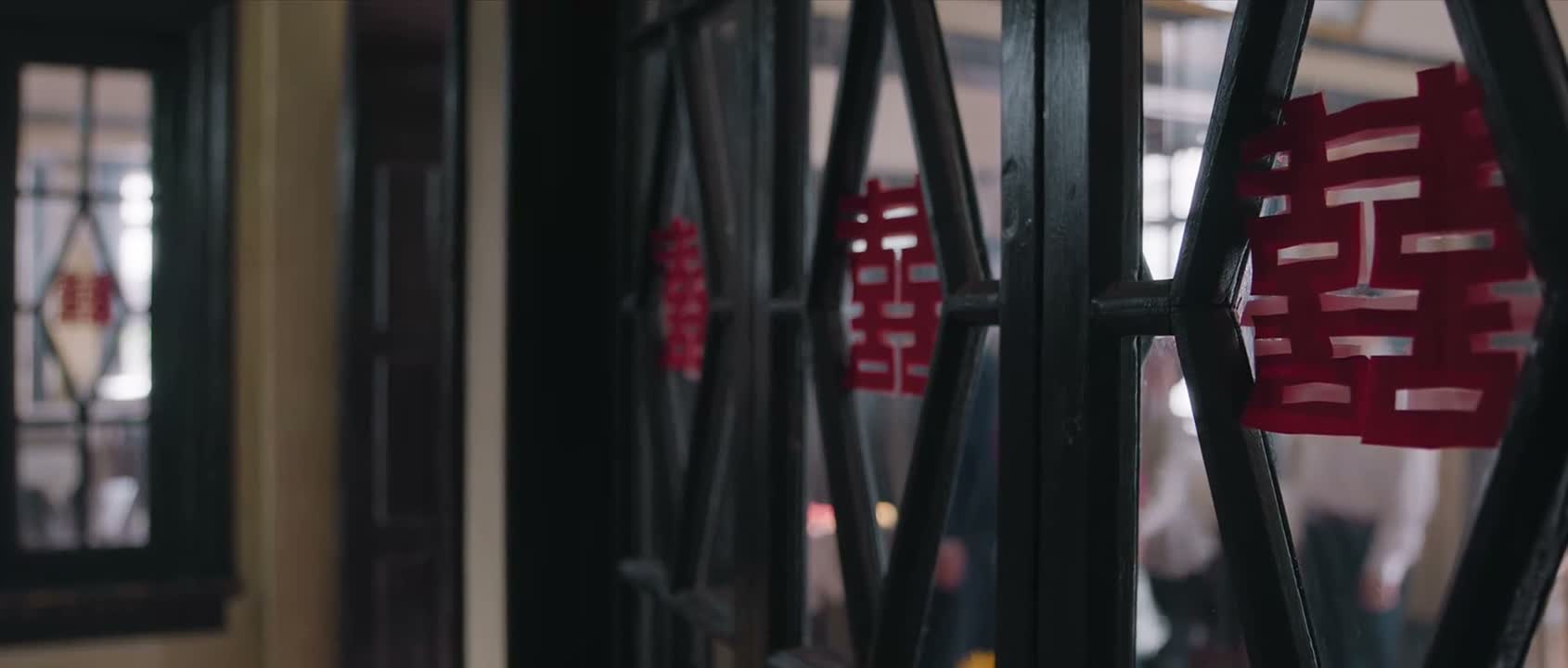 00:02
[Scene: 其他场景]
(1 clips) 00:03
[Scene: 职场工作]
(1 clips) 00:02
(不去了 抹点碘酒就行 你赶紧去吧 慢点) ── Previous context
“Just go! Your head was already injured before. Go on!”
📌 走走走
→Nuance: 催促转移注意并离开的变体
📌 走走走
→Nuance: 催促对方快去且自身离开
📌 你赶紧
→Nuance: 催洗手吃饭,表达更温和委婉
📌 你赶紧
→Nuance: 催促洗手吃饭,核心意图一致
📌 交给我了
→Nuance: 更地道周到地催促对方先办正事
📌 放心
→Nuance: 更地道周到地催促对方先办正事
📌 洗手吃饭
→Nuance: 表达更温和劝导,意图一致
📌 洗手吃饭
→Nuance: 催洗手吃饭,日常口语完全互换
📌 好好吃
→Nuance: 同为催促关怀叮嘱,口吻略异
📌 好吃
→Nuance: 同为催促关怀叮嘱,口吻略异