怎么办 怎么办 现在知道害怕了 早干吗去了
“What do we do? What do we do? Now you're scared? Where was that fear earlier?”
THE DIALOGUE REEL
那怎么办
“Then what do we do?”
怎么办 怎么办 现在 知道 害怕了 早干吗去了
“What do we do? What do we do? Now you're scared? Where was that fear earlier?”
带一个女的出来喝酒 喝成这样 白酒
“You took a girl out drinking and let her get this drunk. Baijiu.”
“You caused this mess yourself, so do not come crying to me now.”
In Chinese culture, scolding someone with retrospective questions emphasizes accountability and common sense rather than offering blind comforting.
LEARNING CHUNKS & PARTICLES
Why didn't you do something earlier? / Where was this caution before?
A colloquial rhetorical scolding used to reprimand someone who only regrets their actions when consequences arrive.
Now you know how to be scared
Used to point out someone's belated fear after they previously acted heedlessly.
Marks a newly realized emotional state or situation of feeling fear.
VOCABULARY & EXPRESSIONS
Parallel Spoken Cinema Scenes (语义近邻切片)

“Why am I so scared? I'll go check it out first.”

“What should I do?”

“What? Scared?”
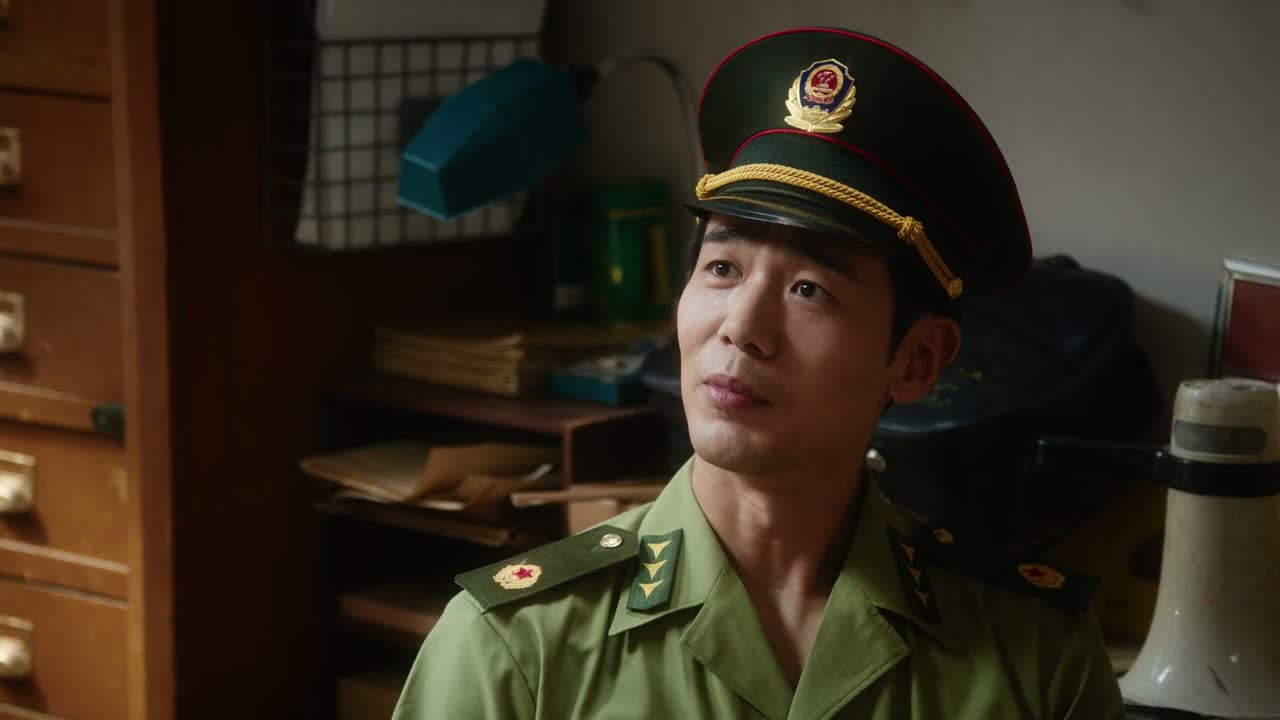
“What, are you scared?”

“I-I'm just scared.”
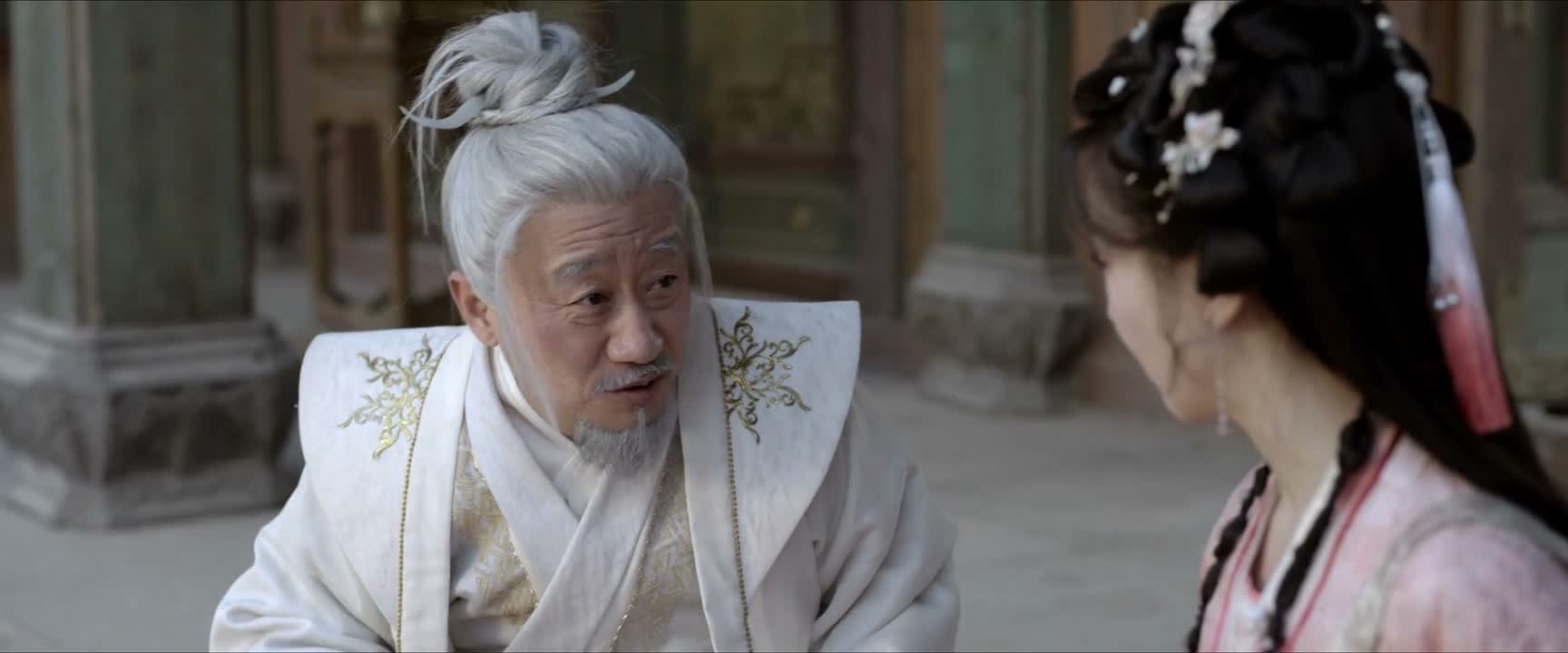
“Are you a bit scared?”