我这不正说着吗 打完这
“I'm saying it now. Finish this round.”
THE DIALOGUE REEL
“Smart. Yes, that's exactly it. Why didn't you say so earlier?”
我 这不 正说着 吗 打完这
“I'm saying it now. Finish this round.”
这就二十分钟了
“We've only got 20 minutes left.”
“Hold on and stop rushing me, I'm already getting to the point!”
In informal Mandarin exchanges among familiars, using rhetorical questions with '正...呢' or '不...吗' is common for playfully or impatiently reclaiming conversational control.
LEARNING CHUNKS & PARTICLES
aren't I doing [action] right now?
A rhetorical pattern used to defend oneself against an accusation of not doing something.
after finishing (playing/calling/hitting)
Combines the multipurpose verb '打' with the complement of result '完' to denote completion.
Forms a rhetorical question expressing defensive exasperation that the obvious is being questioned.
VOCABULARY & EXPRESSIONS
Parallel Spoken Cinema Scenes (语义近邻切片)

“If you must hit someone, hit me!”

“If you must hit someone, hit me!”

“I'll make the call for you, if you don't.”

“Fine, I'll stop. Don't ever bother calling to check on me either.”
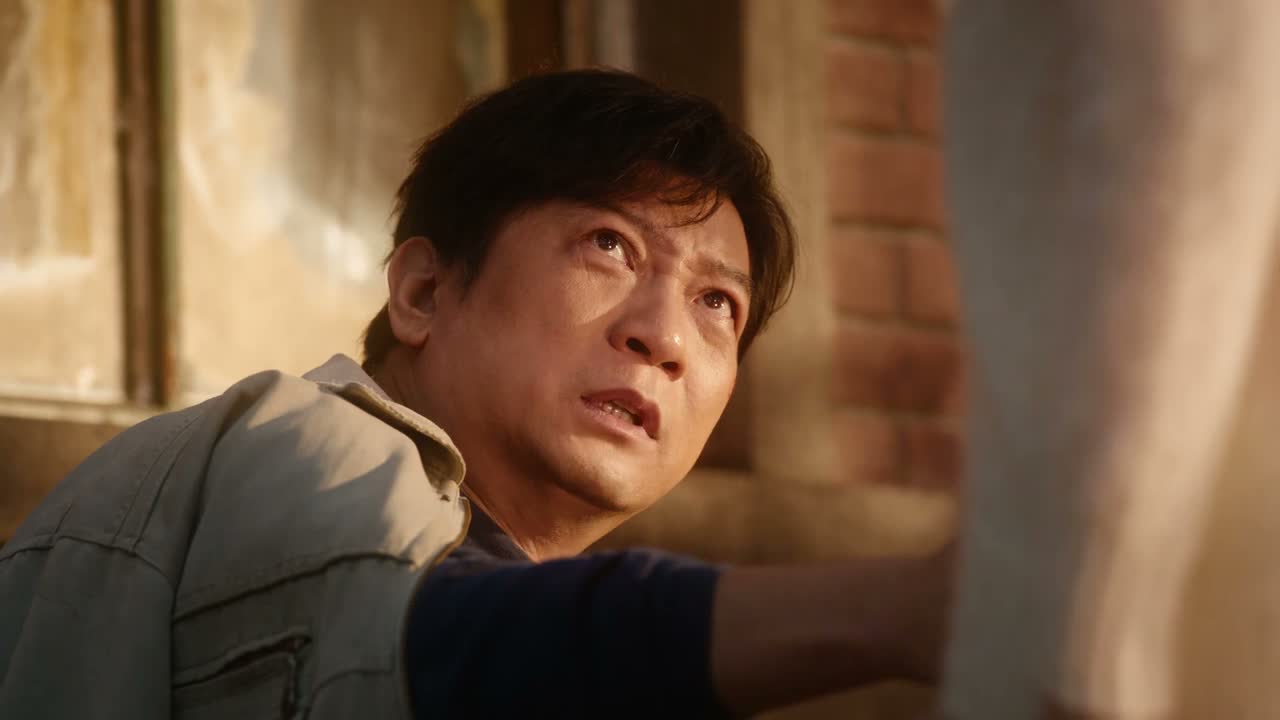
“I would have taken this beating for nothing.”

“I'm telling you. That beating was for nothing.”