你们不是冤家吗 化敌为友了
“Didn't you have a bad history with him? You turned enemies into friends?”
THE DIALOGUE REEL
唐小虎
“Tang Xiaohu.”
你们 不是 冤家 吗 化敌为友 了
“Didn't you have a bad history with him? You turned enemies into friends?”
那谈不上
“Not really.”
“I know your bad history; how on earth are you two getting along now?”
In Chinese social networks, intense rivalries often transition into pragmatic cooperation depending on shifting interests, prompting skepticism from onlookers.
LEARNING CHUNKS & PARTICLES
enemies / rivals / feuding parties
Refers to long-standing adversaries or people with bad blood between them.
turn foes into friends / bury the hatchet
A classic four-character idiom describing the resolution of hostility between former rivals.
Forms a rhetorical question highlighting the speaker's prior assumption.
Marks the sudden, surprising transition into a state of friendship.
VOCABULARY & EXPRESSIONS
Parallel Spoken Cinema Scenes (语义近邻切片)

“you shouldn't give it up so easily because of old grudges.”

“You can't just use that to pin this on me!”
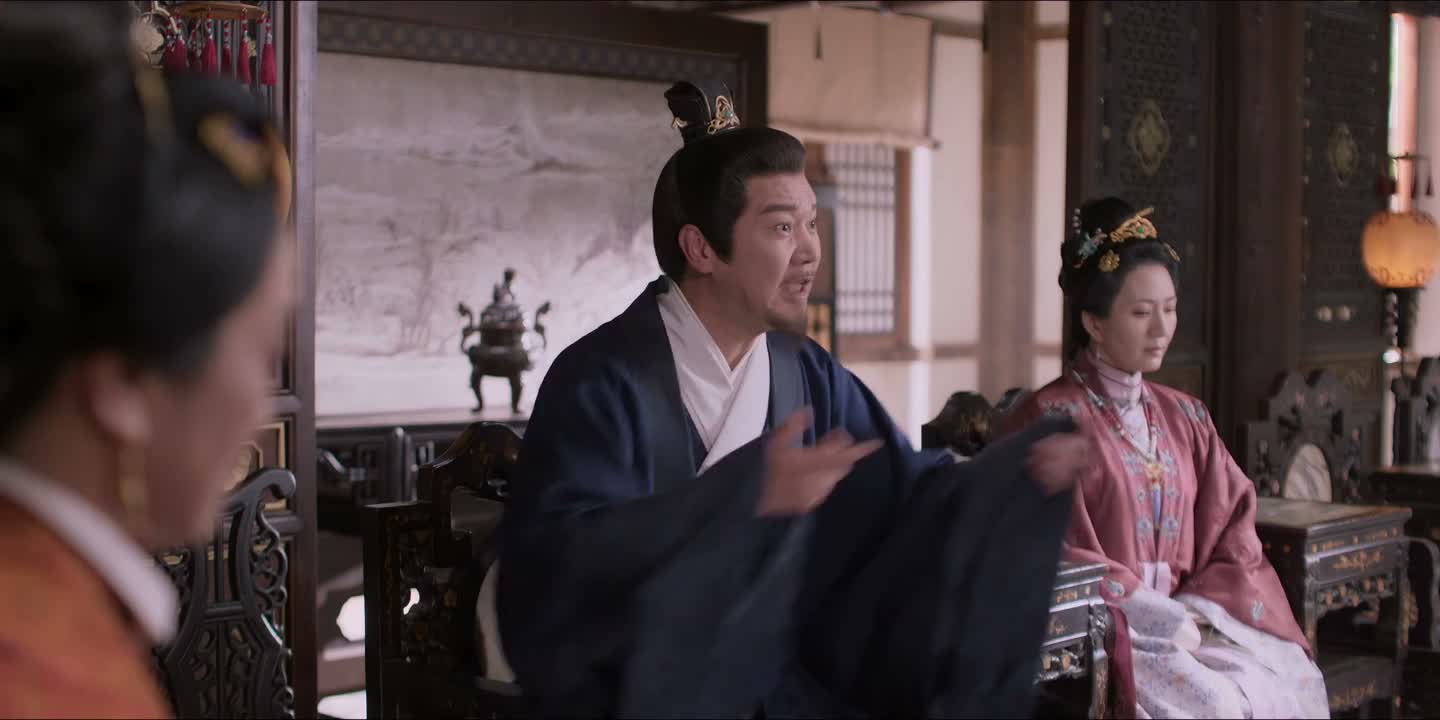
“Who do you think is more wronged—you or me?”

“It's a small world for enemies.”

“Hey. What's your problem? You're being ungrateful.”
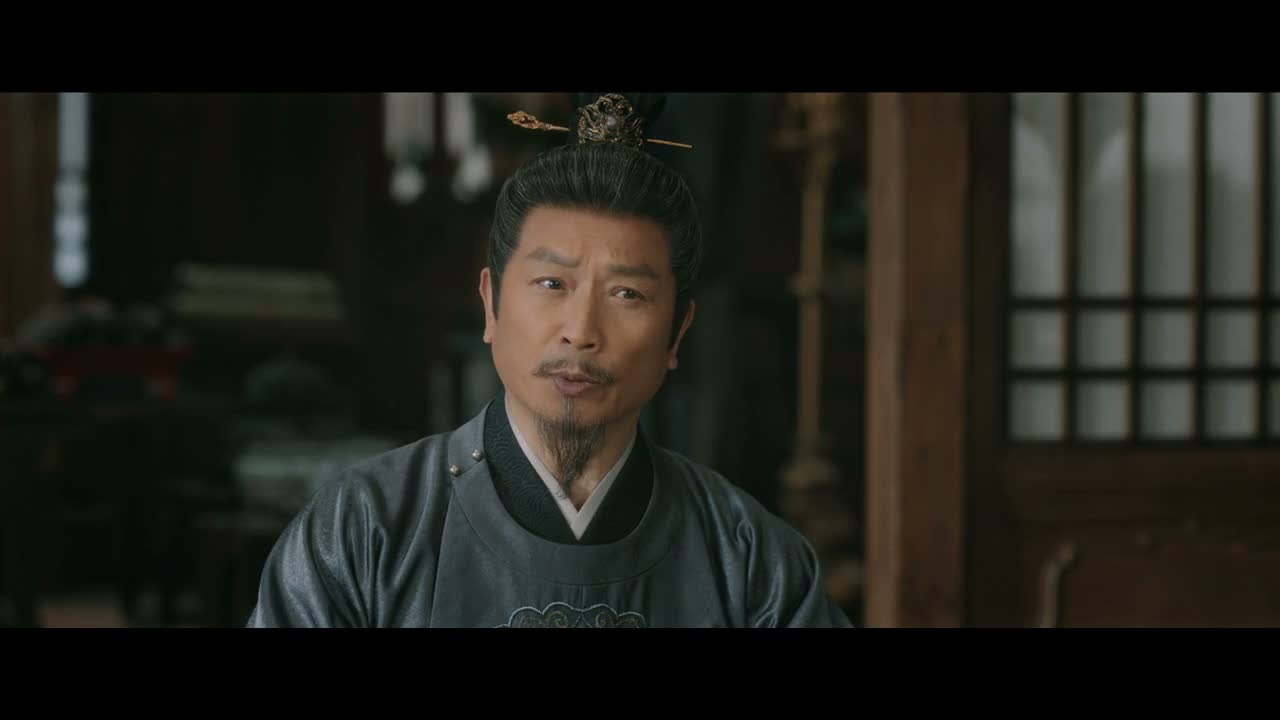
“instead of giving us a hard time.”