自作多情一会儿得了 别没完没了的
“Get over yourself. Stop saying nonsense.”
THE DIALOGUE REEL
“something terrible for you, are you?”
自作多情 一会儿 得了 别 没完没了 的
“Get over yourself. Stop saying nonsense.”
我从头到尾没说过 这两瓶酒是给你的
“I never said they were for you.”
“Get over yourself, you're reading way too much into this.”
In close Chinese friendships or romantic teasing, bluntly accusing someone of 'self-flattery' is a humorous way to puncture ego without causing true offense.
LEARNING CHUNKS & PARTICLES
to flatter oneself; unrequited affection; wishful thinking
Used to call someone out when they falsely assume someone has romantic interest or special favor towards them.
endless; without end
Used to express irritation when someone won't stop talking or repeating a behavior.
Combines with 了 to express that an action should be stopped at an acceptable limit.
Affirms the ongoing nature of the annoying behavior in the prohibition clause.
VOCABULARY & EXPRESSIONS
Parallel Spoken Cinema Scenes (语义近邻切片)

“Flattering yourself, aren't you?”

“I was just being sentimental.”

“Once could be wishful thinking, but was it really the case every single time?”

“(How full of yourself.) (To think she was waiting for you.)”
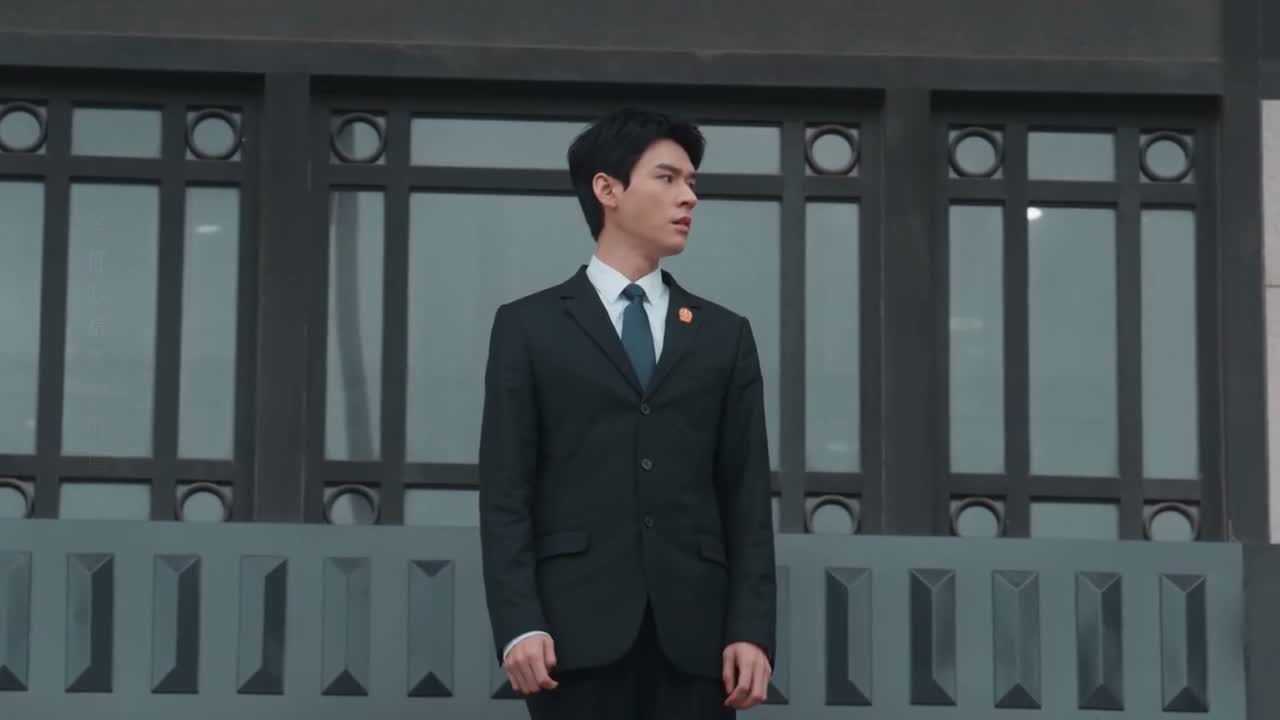
“(How full of yourself.)”

“The delusional one”