咱俩两败俱伤
“If we both lose in the end,”
THE DIALOGUE REEL
咱俩 两败俱伤
“If we both lose in the end,”
大楚危矣 你既然知道 怎么不劝劝你自己呢?
“our state will be in peril. Since you know that, why don't you advise yourself?”
“If you keep pushing, we will both end up destroyed.”
Derived from classical fables, this idiom highlights Chinese strategic philosophy that destructive rivalry wastes both parties' strength with zero benefit.
LEARNING CHUNKS & PARTICLES
both sides suffer; mutual defeat with no winners
A very common four-character idiom (chengyu) used to describe a lose-lose situation in conflicts or negotiations.
VOCABULARY & EXPRESSIONS
Parallel Spoken Cinema Scenes (语义近邻切片)
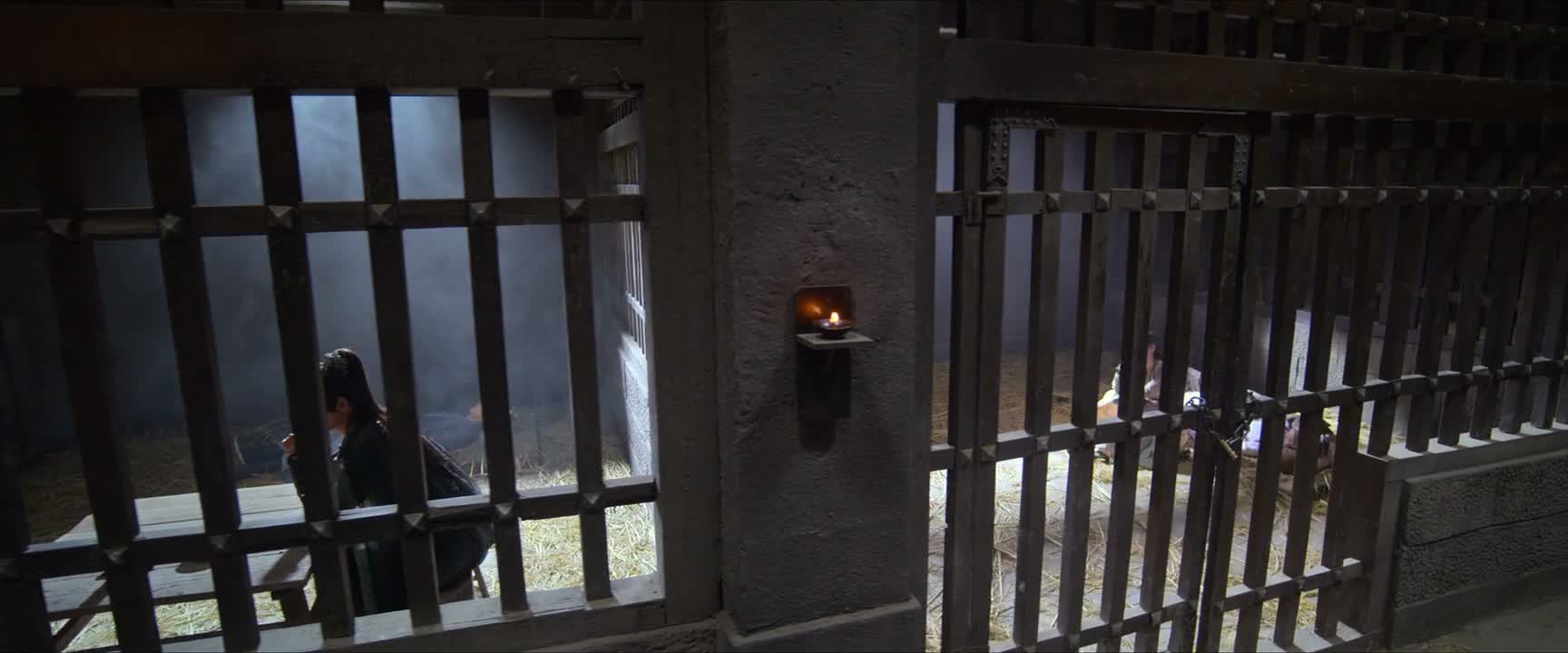
“and your group wounded each other in battle,”

“We suffered a huge loss this time.”

“If you dare come any closer, we'll both be done together!”

“Our team member was injured and nearly lost a limb!”

“She almost blew our minds away.”

“he sacrificed both our lives”
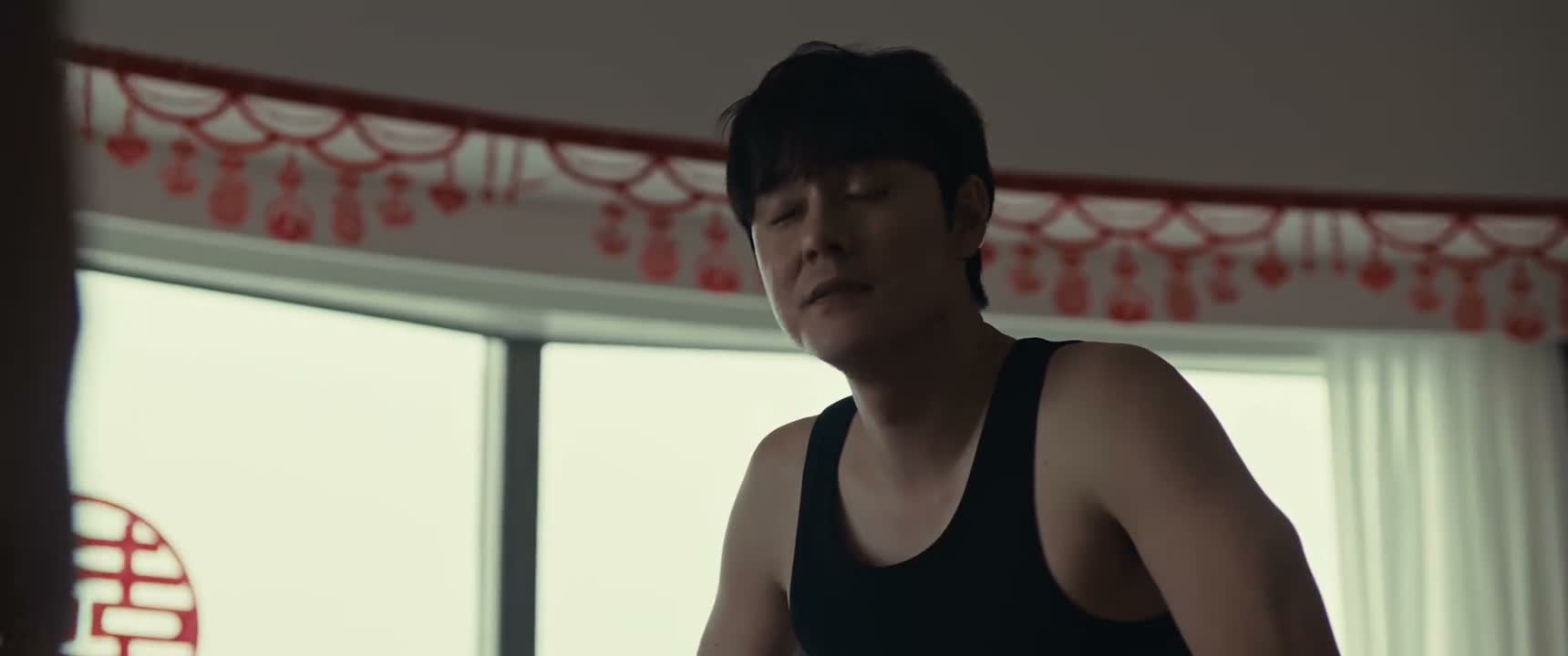
“Must we both lose? Do you think”