爱妃 你看呢?
“My beloved, what do you think?”
THE DIALOGUE REEL
“Her Highness presented a gift. Do you remember?”
爱妃 你看呢 ?
“My beloved, what do you think?”
这龙腾四海的双面绣 可真是精致 能绣成这样
“This double-sided embroidered piece depicting a dragon soaring across seas is truly exquisite. A work like this must have required years of skill.”
Direct spoken expression in this communicative setting.
In traditional court dramas, emperors affectionately address favored concubines as '爱妃' to signal intimacy combined with status.
LEARNING CHUNKS & PARTICLES
what do you think?
A natural, open-ended way to ask for someone's viewpoint or evaluation in conversational Chinese.
Softens the interrogative question and conveys a conversational, seeking tone.
VOCABULARY & EXPRESSIONS
Parallel Spoken Cinema Scenes (语义近邻切片)

“your drunken ramblings”
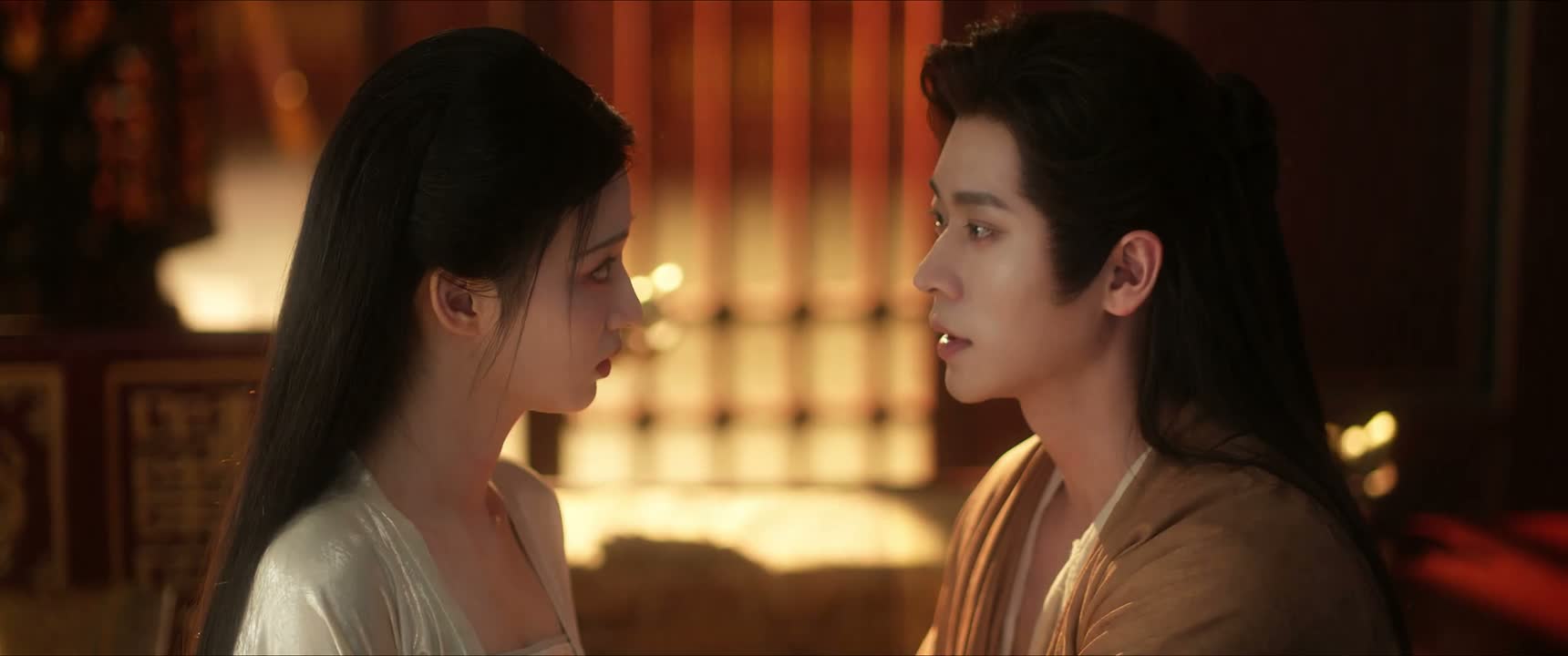
“It seems my dear still has plenty of energy.”
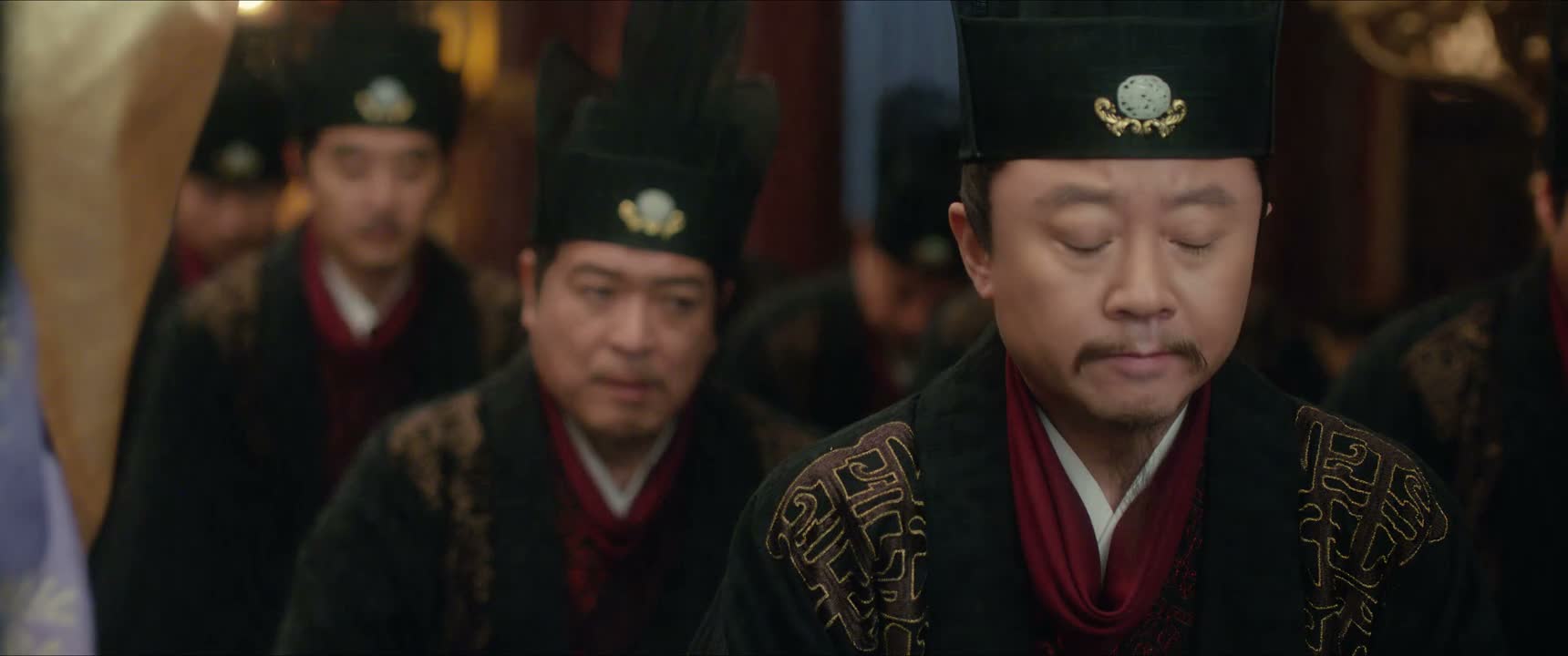
“How could that be? My dear, please look carefully.”
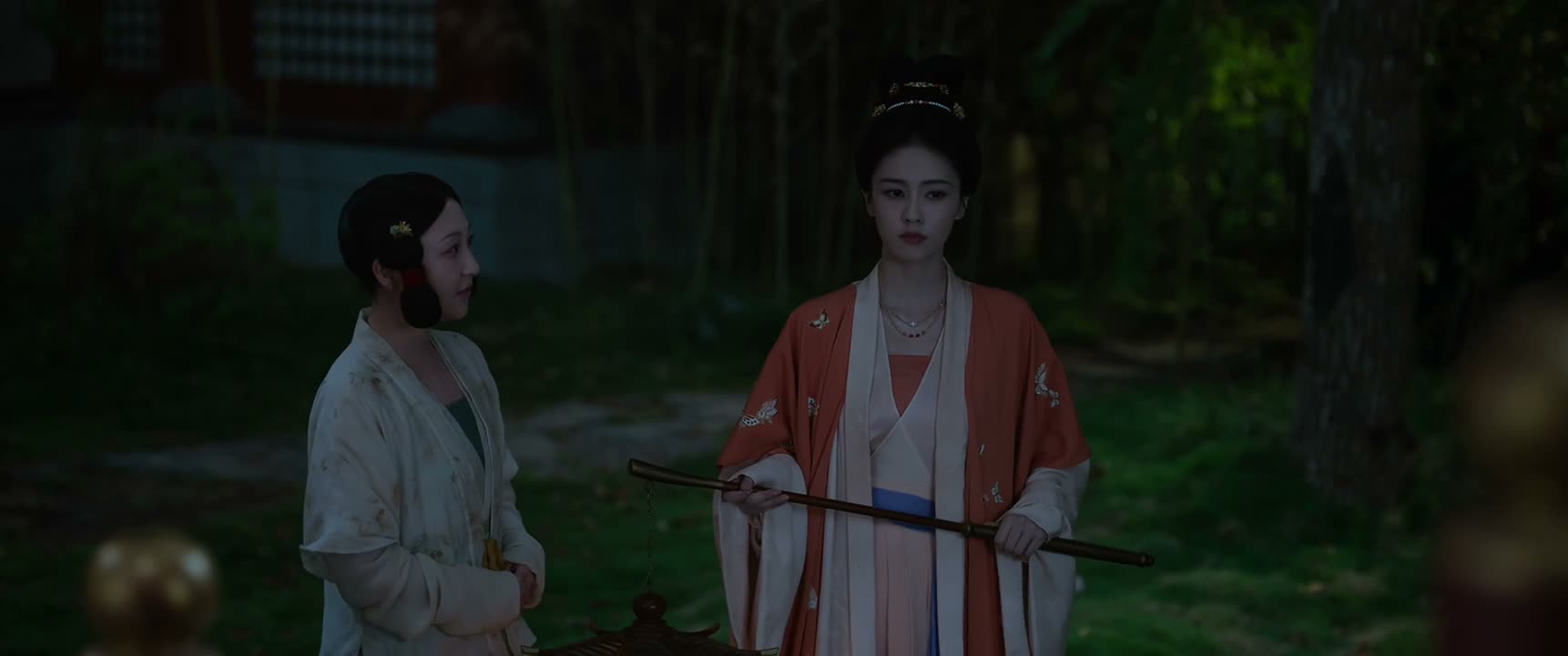
“Your Highness, what are you looking at?”

“if she's his wife, it's even worse.”

“I'm not interested.”