你小点声 我听不到了
“Hush. I can't hear him.”
THE DIALOGUE REEL
万一再有个什么应…应激反…
“What if it triggered… What you call it…”
你 小点声 我听不到了
“Hush. I can't hear him.”
Direct spoken expression in this communicative setting.
In high-stakes or eavesdropping contexts, Chinese speakers drop polite hedges and issue direct blunt directives like '小点声' without intending personal disrespect.
LEARNING CHUNKS & PARTICLES
lower your voice; keep it down
A very common colloquial imperative used to ask someone to speak more quietly.
cannot hear
Potential complement structure indicating the inability to perceive sound clearly.
Indicates a newly emerged state of being unable to hear due to the listener's interruption.
VOCABULARY & EXPRESSIONS
Parallel Spoken Cinema Scenes (语义近邻切片)
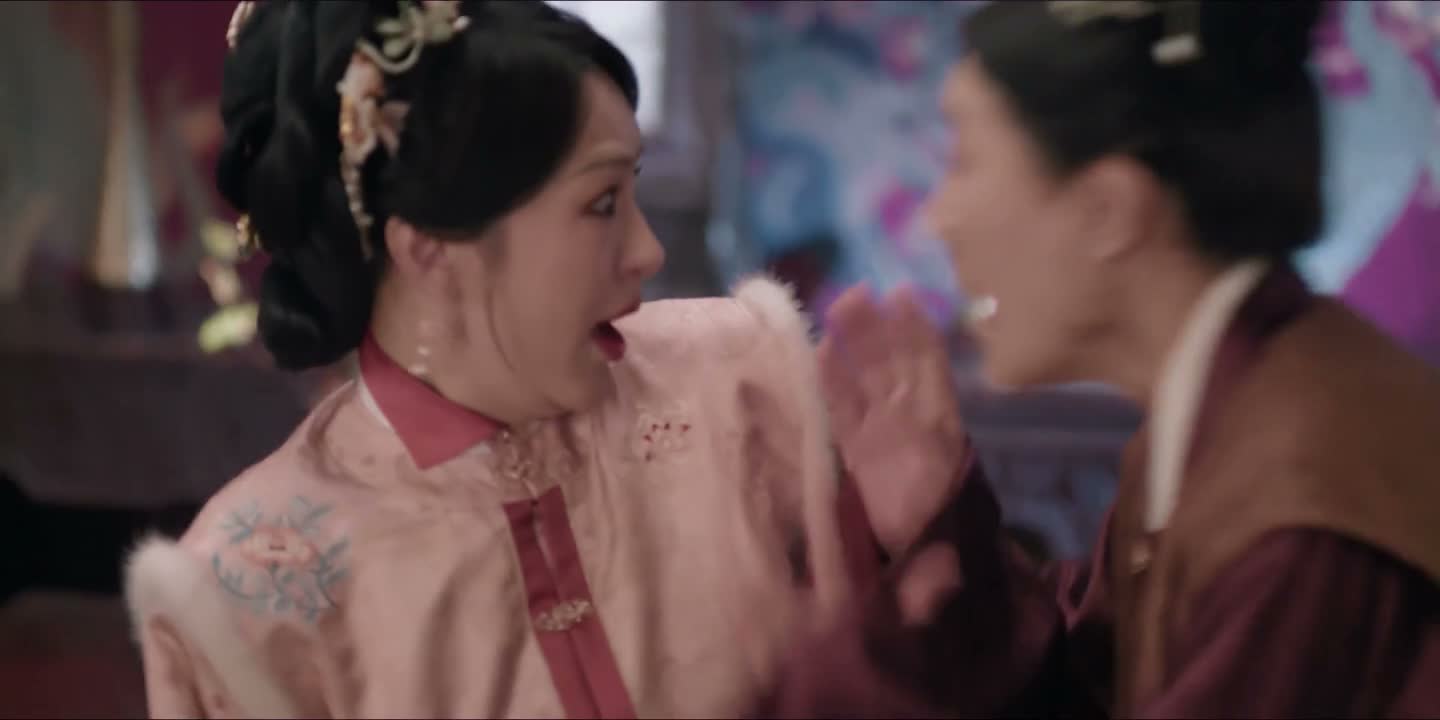
“What? Keep your voice down.”
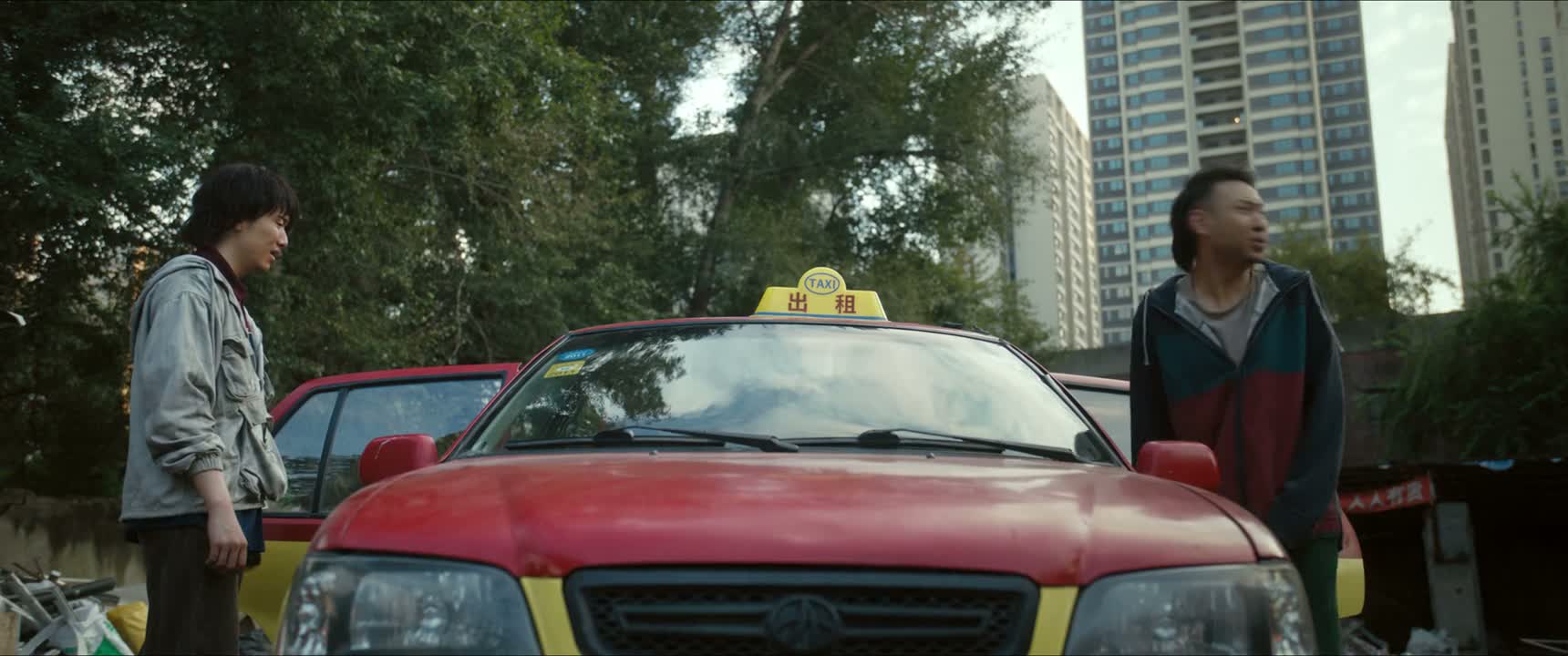
“K-K-Keep your voice down. [Taxi]”

“Young man, keep your voice down! -Han Meimei! -Stop shouting! This is my shop!”

“Sure, be quiet. Keep it down.”