开个口恁难呢 你冲娃喊啥呢
“Is speaking up that hard? Why are you yelling at the kid?”
THE DIALOGUE REEL
“Why won't you say anything?”
开个口 恁难呢 你 冲娃喊 啥呢
“Is speaking up that hard? Why are you yelling at the kid?”
“Can't you see we two are worried sick over your issue?”
“Just speak up already, but don't yell at them like that—it won't help!”
In Chinese family disputes, a mediator often scolds both sides simultaneously—addressing the stubborn silence of the junior and the harsh temper of the elder.
LEARNING CHUNKS & PARTICLES
to speak up / to break silence
Often used when someone stubbornly refuses to talk, apologize, or ask for help.
to yell at the child
Used to describe directing vocal frustration specifically at a young family member.
Emphasizes the speaker's bewilderment and frustration in rhetorical questions.
VOCABULARY & EXPRESSIONS
Parallel Spoken Cinema Scenes (语义近邻切片)

“If it's too hard to say, then don't force yourself.”

“without thinking? What should I say?”

“I had no way to speak up.”
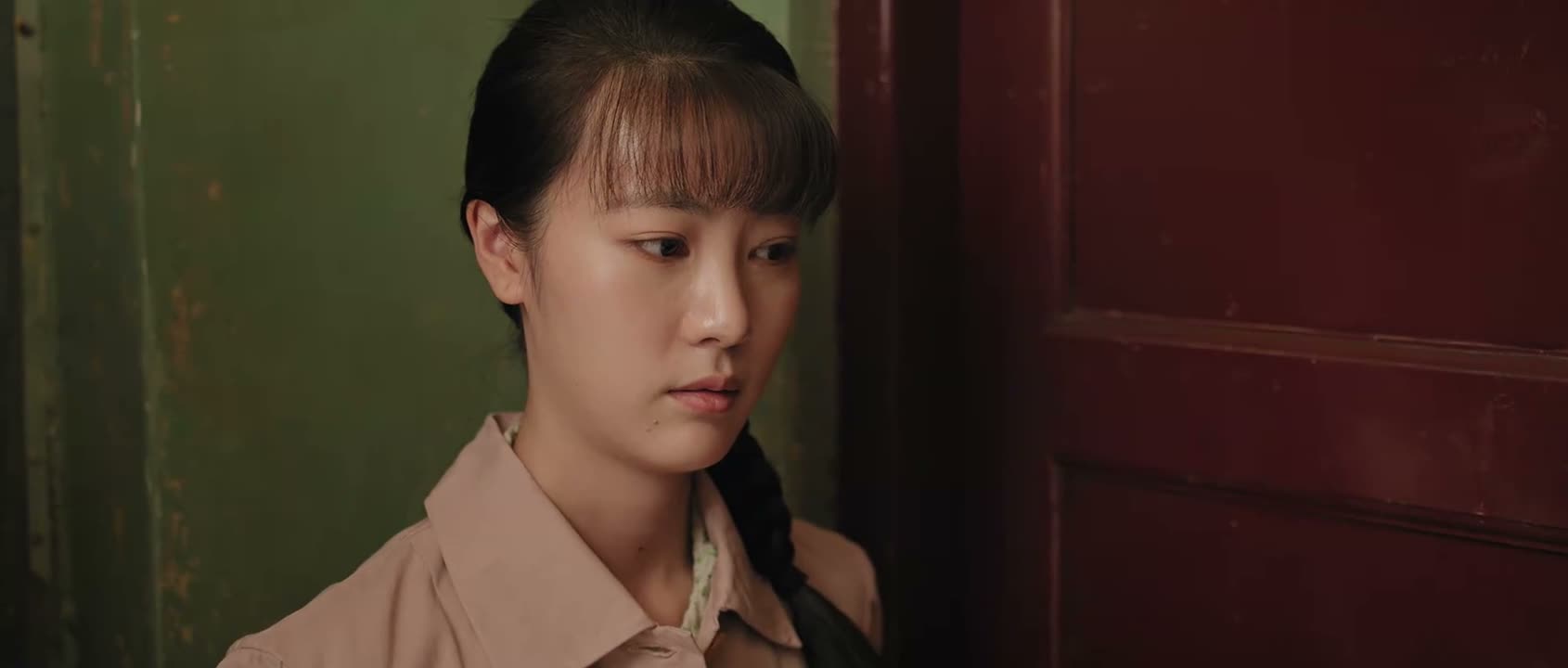
“for your sake.”

“I still didn't know how to start talking.”

“possibly speak up?”