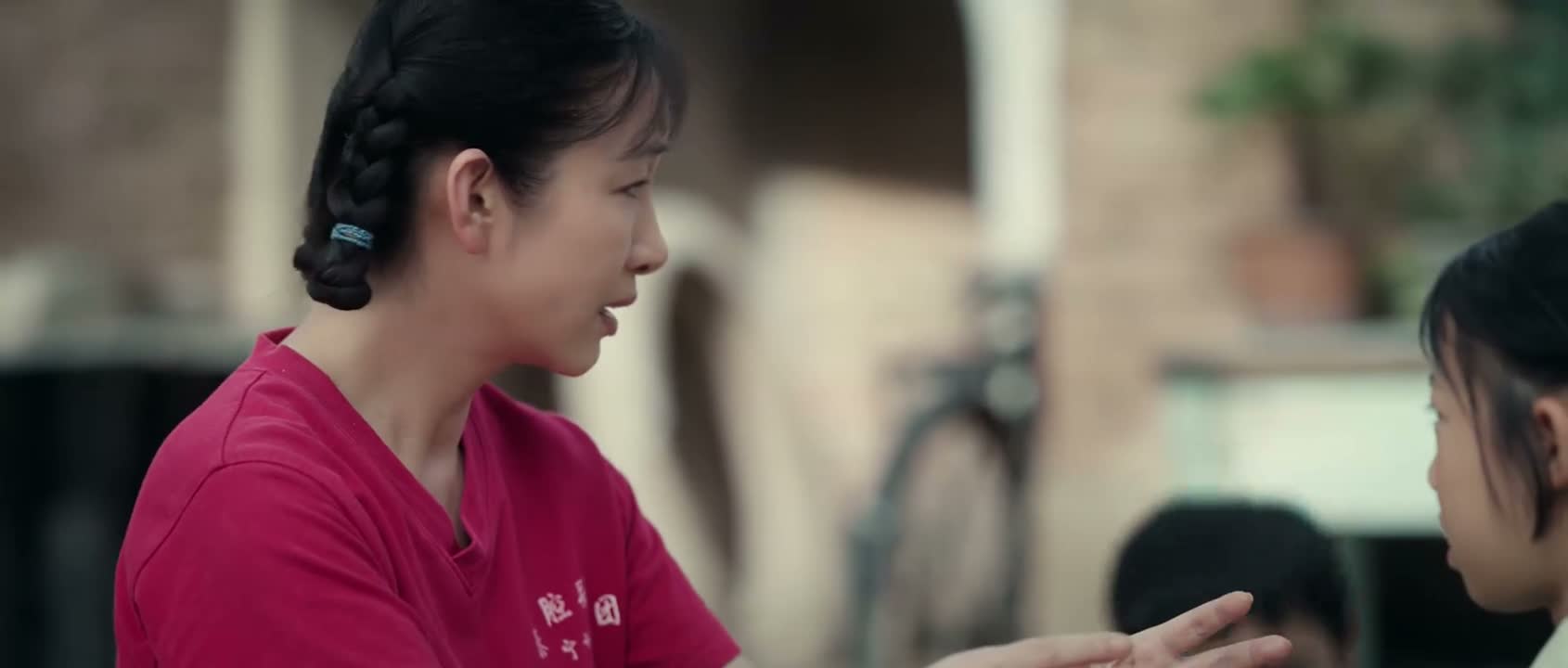
你这娃咋就不知道开口呢
“Why won't you say anything?”
THE DIALOGUE REEL
张狂啊
“Keep being arrogant then.”
你这娃 咋就 不知道 开口 呢
“Why won't you say anything?”
“Is speaking up that hard? Why are you yelling at the kid?”
“You don't have to carry this alone; why are you too stubborn to just ask for help?”
Asking for favors or financial help in Chinese society is seen as high-cost face loss, leading people—especially the proud or shy—to stay silent even in severe trouble.
LEARNING CHUNKS & PARTICLES
open one's mouth / speak up / ask for help
Commonly used in pragmatics to refer to overcoming hesitation to voice a request or grievance.
why on earth / how come
Northern dialectal spoken phrase conveying strong bewilderment or exasperation.
Emphasizes the rhetorical question and lingers on the speaker's baffled dissatisfaction.
VOCABULARY & EXPRESSIONS
Parallel Spoken Cinema Scenes (语义近邻切片)

“The child is young. He might not be able to describe everything.”

“but I just didn't know how to find the words.”

“I still didn't know how to start talking.”
“This kid, make a sound.”